



It’s only been a few years since the Reiwa era began, but trends like “Heisei-era clichés” are already popular.
Among them, music is especially loved as nostalgic oldies.
So this time, we’re introducing “classic Heisei-era songs we recommend to people born in the Heisei era”!
The Heisei period was a time when many new music genres were born, with club music—especially UK garage and dubstep—undergoing major changes.
In addition to dance music and mainstream J-pop, we’ve also picked standout tracks from lesser-known genres like R&B and jazz rock.
If you were born in the Heisei era, be sure to check them out!
- Emotional songs from the Heisei era. Nostalgic tracks that really hit you.
- Heisei-era masterpieces. Hit songs that represent the Heisei period.
- All big hits! A roundup of classic J‑Pop songs that were popular in 2000
- A collection of nostalgic hits from the Heisei era: Let’s look back at iconic songs from the 1990s and 2000s.
- Songs from the Heisei retro era that will get any generation excited! Timeless tracks you’ll want to listen to now.
- Cool songs of the Heisei era. Hit tracks that energized the times.
- Heisei Song Collection: Iconic Hits That Colored the ’90s and 2000s
- [Heisei Love Songs] A carefully selected collection of gem-like love songs that continue to be cherished even in the Reiwa era!
- Love songs that were hits in the 2000s. Classic and popular Japanese songs.
- Nothing but iconic hits that defined an era! 2000s classics popular on TikTok
- From emotional tracks to exhilarating tunes! Heisei-era youth songs
- A revival hit driven by social media! Heisei-era masterpieces that are resonating with Gen Z today
- Heisei-era masterpieces: Easy to sing! Carefully selected songs recommended for karaoke choices!
[For those born in the Heisei era] Nostalgic songs that were popular in the Heisei era (1–10)
PassionUA

Known as one of UA’s signature songs, this work is truly worthy of being called a Heisei-era J-POP classic.
Its profound lyrics, depicting passionate feelings and emotions that never quite come to fruition, leave a strong impression and resonate with many listeners.
Released in June 1996, the song climbed to the top of the charts and brought UA widespread recognition.
It has been covered by many artists, including Kumi Koda and JUJU, underscoring its universality and influence.
Beloved as a nostalgic tune that evokes the ache of love, it’s a perfect track for those who want to feel the complexity of romance and the depths of emotion.
366 daysHY

A masterpiece from HY, a band from Okinawa, this song portrays the ache of unrequited love.
Its lyrics delicately capture the pain of heartbreak, resonating deeply with listeners.
Released in April 2008, it drew significant attention as the theme song for the Fuji TV drama and the Toho-distributed film “Red Thread.” It was also used in a Kirin “Gogo no Kocha” (Afternoon Tea) commercial.
It’s a song that anyone who has experienced heartbreak—or loved someone deeply—can relate to.
The contrast between the gentle melody and the heartrending lyrics is striking, making it a tune you won’t forget after just one listen.
B-BOYismRHYMESTER

When it comes to indispensable figures in Japan’s hip-hop scene, RHYMESTER is a must-mention.
The track that cemented their reputation is “B-BOY Izm.” It’s included on the album Respect, and as the title suggests, it centers on the theme of what it means to be a B-boy, delivering their pride and stance.
It’s not just talk—their rhymes and flow lend real persuasiveness, which is exactly why it’s hailed as a classic.
It continues to influence countless heads to this day, so be sure to check it out.

EverythingMISIA

This work is known as a defining ballad of the Heisei era.
Its sweeping string arrangement and MISIA’s overwhelming vocal prowess blend brilliantly to move listeners’ hearts.
Released in October 2000, it became a social phenomenon, topping JASRAC’s royalty distribution rankings the following year.
It was also used as the theme song for the drama “Yamato Nadeshiko,” and remains etched in the memories of many.
The lyrics, which express deep love and gratitude for a lover or someone dear, have a timeless appeal and have made it a karaoke staple.
It’s a warm song that offers support through many phases of life.
I should be able to fly (in the sky).supittsu
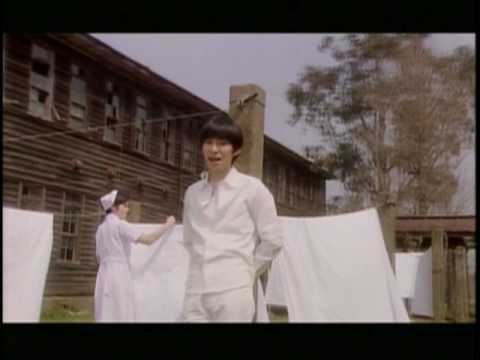
This song is packed with the charm of Spitz, a band that defined the Heisei era.
Its lyrics, which portray the fragility of youth and the glimmer of hope, and its clear, translucent melody resonate deeply.
Released in April 1994, the track was also used as the theme song for the drama “Hakusen Nagashi,” capturing the hearts of many.
The lyrics are simple yet profound, and their openness allows for personal interpretation—another part of its appeal.
It carries a range of emotions, from the joy and anxiety of love to a sense of discomfort with society.
It’s perfect for calm moments, like chatting with friends or taking a quiet nighttime drive.
Ringo Sheenahonnō

Shiina Ringo’s fourth single “Honnō” is characterized by an aggressive sound that centers on impulsive desire.
Released in October 1999, it was used as the ending theme for NTV’s “FUN.” The work strongly expresses a stance of rejecting social constraints and pursuing one’s own desires.
In the music video, a scene where Shiina appears as a nurse and smashes glass became a hot topic; the glass used for filming was reportedly a special order from Hollywood.
The track is also included on the album “Shōso Strip,” and it vividly solidified her image as an artist unbound by conventional frameworks.
Recommended for those who want to liberate their emotions and desires.
human power plantBUDDHA BRAND

The legendary hip-hop group BUDDHA BRAND’s debut single, released in 1996.
This track led to their major-label debut and had a huge impact on the Japanese hip-hop scene.
With its distinctive lyrics and sound, it was innovative, featuring English-like flows and a new style of Japanese rap.
DEV LARGE’s track-making and NIPPS’s provocative lyrics shaped the group’s unique worldview.
It’s a must-listen not only for hip-hop fans but also for anyone interested in ’90s music.