

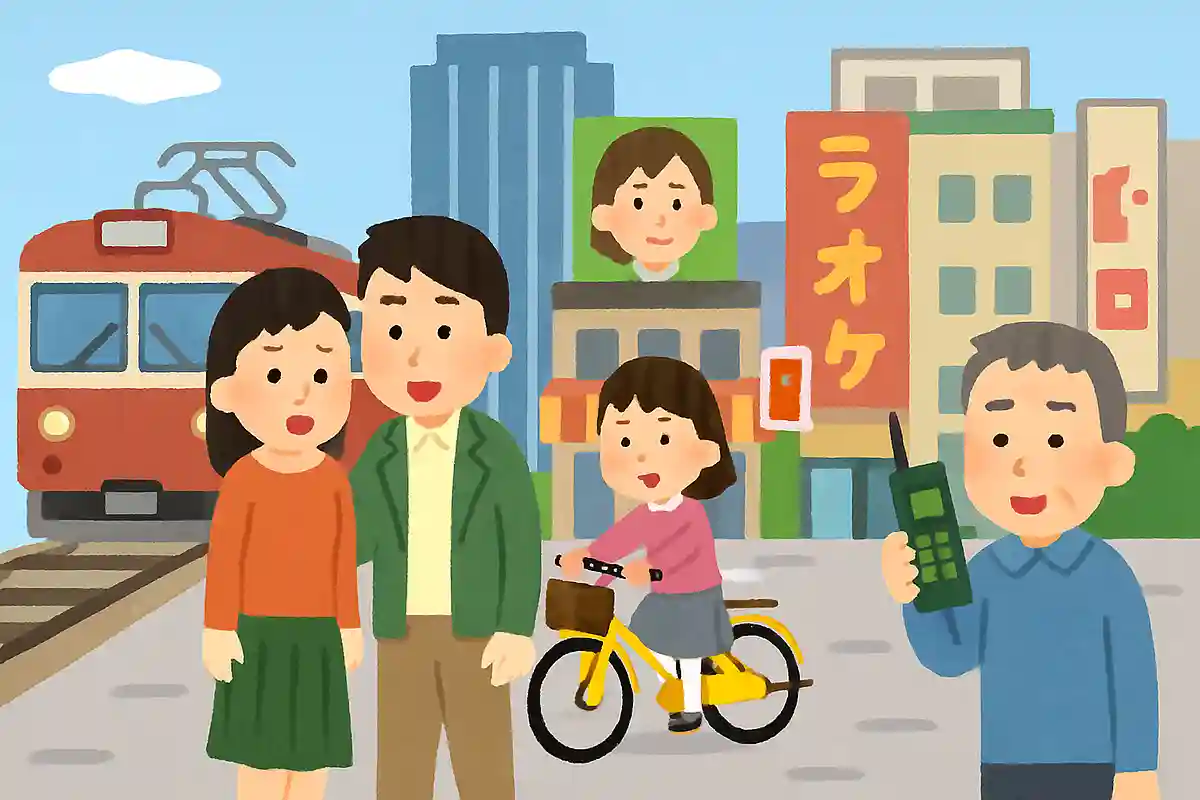
Heisei Retro Design: A Nostalgic World Gaining Renewed Attention in the Reiwa Era
Does the term “Heisei retro” strike a chord with you? The era brimmed with warm, appealing designs born from a unique aesthetic where digital and analog intersected.
From fonts and logos to packaging, Heisei-era designs have a curious way of inspiring affection.
In this feature, we’ll explore the charm of “Heisei Retro Design,” where nostalgia and freshness coexist.
Whether you remember those days or are discovering them for the first time, you’re sure to find something new.
[Heisei Retro Design] A Nostalgic World Gaining Renewed Attention in the Reiwa Era (1–10)
Angel Blue
https://www.tiktok.com/@fancy_merara/video/7325733349006265602One of the brands that epitomized Heisei-era kids and teens fashion is Angel Blue.
From the late 1990s to the early 2000s, it sparked a massive craze primarily among elementary and middle school students.
Angel Blue’s greatest appeal lies in its pop, energetic designs.
Items boldly using primary colors, prominently printed characters, and logo-adorned T-shirts and bags instantly brightened kids’ everyday lives.
Today, it evokes nostalgia and is drawing attention among Gen Z as a design that feels “new in a retro way.”

Gal-moji Design
https://www.tiktok.com/@thankyoumart/video/7416190410562768135Speaking of the Heisei era, it was the age of photo booths and flip phones—and you can’t forget “gal-moji.” This quirky writing style, created by distorting regular characters and mixing in symbols and numbers, perfectly captured the playful spirit of the youth back then.
Even a single email carried a sense of individuality and specialness.
With tiny phone screens and limited space on photo booth prints, people had to find ways to decorate things in their own style—and gal-moji was born from that creative effort.
Prioritizing “standing out” and “self-expression” over readability, gal-moji now feels like a uniquely nostalgic yet surprisingly fresh presence, sparkling with a charm all its own.
Neon design
https://www.instagram.com/p/ClkygbHPd9r/The “neon design,” which can be called a symbol of Heisei retro aesthetics, vividly reflects the bustle of the city and the memories of its people.
From the Showa era into the early Heisei period, neon designs adorned the signs of arcades, karaoke lounges, and restaurants.
They lit up the urban night, creating a unique sense of heat and exhilaration.
Their glow resonated with the atmosphere of an age when digital culture was budding—suggesting the future while retaining a certain analog warmth.
Neon design offers not only visual impact but also a sense of nostalgia and humanity, which is likely why it continues to be loved across generations.
hibiscus
https://www.tiktok.com/@printmedia_1893/video/7519044190387358992The hibiscus, a symbol of the tropics, was incorporated into a wide range of everyday items from the late 1990s to the early 2000s.
Its appeal lies first in its tropical, vibrant image.
The bright, showy colors instantly evoke summer and the South Seas, giving energy and cheerfulness to those who carry or wear it.
In the youth culture of the Heisei era, hibiscus-patterned items were beloved as a summer must-have.
The hibiscus now drawing renewed attention captures openness, glamor, and the very atmosphere of summer from that time in its design.
That is precisely the unique charm of Heisei-retro design embodied by the hibiscus.
Hello Kitty
https://x.com/sanrio_news/status/1743074858488218106Hello Kitty has been loved across generations from the Heisei era to today.
Born in the 1970s, Kitty became deeply embedded in everyday life during the Heisei period.
Her adorable design is etched in many people’s memories as a symbol of “Heisei retro.” At the heart of Hello Kitty’s appeal is her simplicity: a design composed of minimal elements—her small ribbon and charming expression—makes her approachable to all generations and allows for wide-ranging adaptations.
Another key to her enduring popularity is that Hello Kitty continues to evolve with contemporary trends.
Powerpuff Girl
https://www.tiktok.com/@_ruunasmile_/video/7551384223819549968One of the icons that symbolize animation culture of the Heisei era is the American-born animated series The Powerpuff Girls.
Its cute character design and pop color palette are quintessential Heisei-retro design.
The appeal of The Powerpuff Girls starts with the “clarity of the visuals”: large eyes, simple outlines, and vivid red, green, and blue tricolor.
Though they look like little girls, they’re strong enough to defeat villains—a contrast that captivated viewers at the time.
Simple and pop, yet powerful—this design is why it continues to shine with fresh appeal.
leopard print
https://x.com/tdr_doria/status/1968573418313220340“Leopard print” commanded an overwhelming presence in gyaru culture.
With its sense of strength and glamour, it became a design that symbolized young people’s self-expression and trend sensibility at the time.
The first appeal of leopard print is its impact: simply adding it to a basic item instantly amps up flashiness and presence, completing a look that turns heads on the street.
While leopard print also symbolizes the culture of Osaka’s aunties, it was reinterpreted as “cute” with a fresh sensibility and spread nationwide through gyaru culture.
Its greatest appeal lies in its presence as an icon of the era.