

Heart-pounding! A roundup of nostalgic Showa-era fashion


Have you been spotting people lately wearing clothes that feel nostalgic and eye-catching? In fact, retro and charming Showa-era fashion is currently in the spotlight.
The powerful, personality-packed pieces from that time continue to captivate people across generations.
For those who wore them in their youth, fond memories come rushing back; for those seeing them for the first time, they offer exciting new discoveries.
In this article, we’ll introduce the fashions that took the Showa era by storm.
Be sure to check out these timelessly appealing garments!
Thrilling! A roundup of nostalgic Showa-era fashion (1–10)
Miyuki-zokuNEW!

The “Miyuki-zoku” were a youth fashion tribe that gathered around Miyuki-dori in Ginza in the summer of 1964.
They adopted and uniquely interpreted the American collegiate “Ivy look,” with button-down shirts, slim cotton trousers, and loafers as the mainstream style.
Although they disappeared by autumn due to city clean-up operations ahead of the Tokyo Olympics, they are regarded as pioneers of Japanese street fashion.
Speaking of the Miyuki-zoku, they would fold a VAN paper bag in half and carry it tucked under their arm.
NeutraNEW!
“Neutra” (short for “New Traditional”) is a distinctive trad style that was popular among female college students and office workers from the mid-1970s to the 1980s.
Originating from Kobe’s “ojō-sama” (refined young lady) fashion, its core is a conservative look with a polished, put-together feel, paired with overseas designer items.
Hermes scarves and luxury brand bags from Louis Vuitton and Fendi were must-haves.
The fashion magazine JJ ran extensive features on “Neutra,” and it became a bible for female college students.
boater hatNEW!
https://www.instagram.com/p/Bg-Oa6BhyV3/The “kankan-bō” was a formal men’s summer hat symbolic of the late Taishō to early Shōwa periods.
Its distinctive feel came from shaping a flatly woven straw braid (sanada) and hardening it with varnish or glue.
It’s said the name derives from how hard it was—so much so that it made a “kan-kan” sound when tapped.
“Kankan-bō” is a uniquely Japanese nickname; in English it’s called a boater and in French a canotier, meaning “a person who rows a boat.” Originally the hats of sailors and seamen, they were introduced to Japan and became wildly popular.
Come to think of it, Grandpa’s kankan-bō paired with his round glasses was quite stylish.
patterned shirtNEW!
https://www.instagram.com/reel/CxFkUE1hExr/At a certain point in the Showa era, patterned shirts became popular, especially as items worn in connection with music and youth culture.
With the Beatles’ visit to Japan and the boom of Group Sounds, a culture of wearing colorful clothing emerged, and as New Music spread, a variety of patterns came into fashion.
The patterns that trended differed slightly by period—psychedelic and abstract designs, paisley and botanical motifs, geometric patterns, and so on—so the choice of pattern could also signal which era one was referencing.
With bold, all-over patterns and vibrant colors, it also seemed like one’s sense of style would be tested in how they pulled the look together.

go-go bootsNEW!
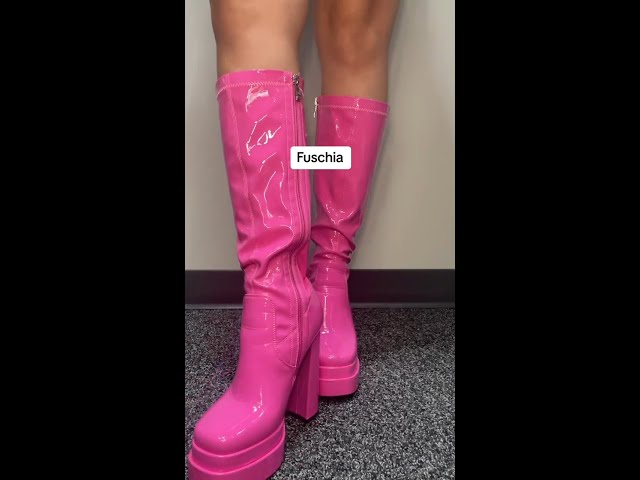
Go-go boots are women’s boots made from materials like leather or vinyl that epitomize 1960s mod fashion.
They’re strongly associated with being worn together with miniskirts, and their sleek materials also convey a futuristic vibe.
The name originates from the boots worn by go-go dancers, and from there they spread as a modern fashion item.
Thanks to their ties to music, they were also cherished as a symbol of independent women—an item that truly represents the era.
miniskirt
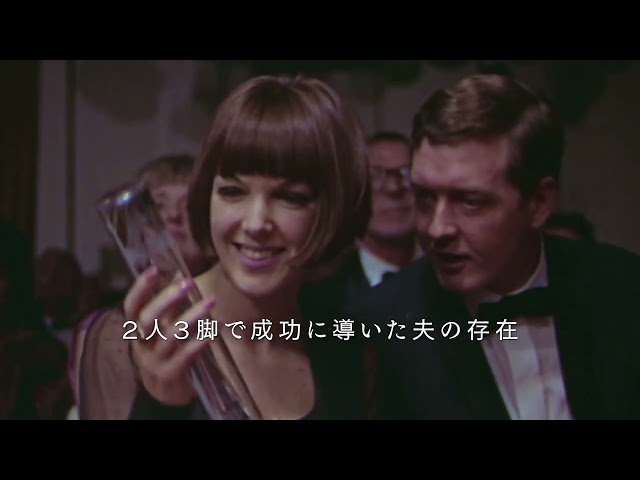
Even today, you sometimes see people on the street wearing miniskirts.
Although miniskirts give off a cute impression, their popularity in Japan in the 1960s seems to have been limited to a fashion-conscious few.
However, Twiggy—the British actress and model who was a fashion icon of the time—visited Japan in 1961.
This sparked a miniskirt boom in Japan.
In fact, in Japan, October 18, the day Twiggy arrived, is celebrated as Miniskirt Day.

New Look

It refers to the new style for women that Christian Dior unveiled in 1947, after the war.
With the end of the war, fashion shifted away from military-inspired clothing to elegant garments that emphasized feminine body lines.
Carmel Snow, the editor-in-chief of Harper’s Bazaar, is said to have coined the name for this style.
The popular actress of the time, Audrey Hepburn, is also well known for adopting and popularizing this look.
The pants she wore in films were called “Sabrina pants” and became a major trend.
