

![[For Seniors] Nostalgic and Fun! Let’s Look Back on Showa-Era Entertainment](https://i.ytimg.com/vi_webp/U-9sf7yl7V4/maxresdefault.webp)
[For Seniors] Nostalgic and Fun! Let’s Look Back on Showa-Era Entertainment

Many of you probably have fond memories of enjoying heart‑lifting entertainment with family and friends during the Showa era.
As daily life evolved alongside the spread of television, the games and pastimes everyone became absorbed in still hold an unfading charm when we look back today.
In this article, we’ll introduce a wide range of Showa-era entertainments that are sure to make you exclaim, “So nostalgic!” Please enjoy it as a chance to reminisce and share your memories from those days.
For Seniors: Nostalgic and Fun! Let’s Look Back at Showa-Era Entertainment (1–10)
Cafe

In the Showa-era towns, there were many cafes where people could drop in casually and relax.
Inside, the aroma of freshly roasted coffee drifted through rooms lined with wooden tables and chairs, and you can picture people spending leisurely time reading newspapers and magazines.
They served as places to meet friends, take a break during work, or enjoy a quiet moment alone.
Each shop had its own atmosphere, and you can imagine regulars gathering to chat.
The time spent amid the music playing in the background and the calm ambiance was cherished by many as a small pleasure in everyday life.
It was a warm form of entertainment in the Showa era, where one could savor unhurried time.

Shogi

Shogi, a traditional Japanese board game that has long been beloved by many.
In the Showa era, people often gathered around boards at home, on verandas, and in neighborhood shogi parlors.
Played on a 9×9 board, the goal is to maneuver your pieces to checkmate the opponent’s king, and its appeal lies in the depth of reading ahead as you play.
A unique feature is that captured pieces can be reused as your own in hand, which can dramatically change the state of the board.
The time spent carefully considering each move offers a moment to savor the strategic give-and-take with your opponent.
It is an entertainment with profound appeal—where thought and dialogue intertwine—that has been passed down for generations as a culture enjoyed across ages.
Go-go Café

One place that symbolized youth culture was the “go-go coffee shop.” Music played inside, and young people danced freely to the rhythm, wrapped in a lively atmosphere.
Many of you may have memories of gathering with friends to enjoy music or having your hearts leap to the songs of your favorite singers.
Savoring coffee while enjoying music and dance was a quintessential youthful moment of the time.
It was one of those nostalgic entertainments that evoked the energy and fun of the Showa era.
Even seniors might find that hearing the songs that played in go-go coffee shops vividly brings back memories of those days.

pachinko

In the Showa era, there were more pachinko parlors than there are today, and it seems many people took their children along to the shops.
Although entry by those under 18 had been prohibited since 1951, many establishments in the Showa era did not enforce this rule.
Nowadays, you might wonder, “Was that really okay?” Back then, pachinko reigned as the king of popular entertainment, and older adults may have had experiences playing it as well.
Talking about pachinko might prompt older people to recall and feel nostalgic about those times.
You might even hear some amusing stories related to pachinko.

hula hoop

The hula hoop, which became hugely popular among children.
Many of you probably remember playing with it obsessively, twirling your hips to keep the ring from falling.
Laughter echoed as friends competed in parks, empty lots, and schoolyards to see “how many spins” they could do.
Just watching a hula hoop spin lightly is fun, and it naturally gets your body moving.
It’s a simple yet absorbing pastime—one of those energetic, quintessential Showa-era games.
It’s also a great idea for older adults to revisit and play again, reminiscing about those days.
Bowling

Bowling was an immensely popular pastime that captivated everyone from young people to adults.
On weekends, lines formed at bowling alleys, and families and friends spent time laughing as they competed for the highest score.
Choosing a colorful ball and feeling the exhilarating crash as the pins went “crash!” are unforgettable memories even now.
When someone bowled a strike, applause broke out around them, and the warm atmosphere—where even strangers got excited together—was part of its charm.
It was one of the quintessential entertainments of the Showa era, letting people enjoy themselves while getting just the right amount of physical activity.
movie
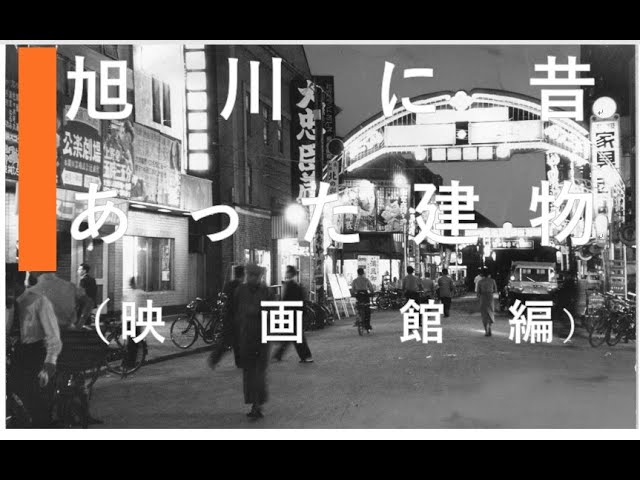
In Japan during the Showa era, even small towns across the country had movie theaters.
Nowadays, I think theaters tend to be located in shopping malls, commercial complexes, or near train stations.
There was no system of clearing the theater between screenings, so you could watch movies back-to-back, and some people even spent the whole day at the cinema.
Many theaters also showed double features.
Since there were no reserved seats, popular films would have standing-room-only crowds on Sundays and holidays.
It seems the experience was quite different from going to the movies today.
There are probably many older people who still love films.
Why not ask them which movies they enjoyed back then?