

[For Seniors] Nostalgic and Fun! Let’s Look Back on Showa-Era Entertainment

Many of you probably have fond memories of enjoying heart‑lifting entertainment with family and friends during the Showa era.
As daily life evolved alongside the spread of television, the games and pastimes everyone became absorbed in still hold an unfading charm when we look back today.
In this article, we’ll introduce a wide range of Showa-era entertainments that are sure to make you exclaim, “So nostalgic!” Please enjoy it as a chance to reminisce and share your memories from those days.
- For Seniors: Get Hooked Again! Let’s Look Back at Nostalgic Showa-Era Games
- [For Seniors] Irresistibly Grabbable! A Special Feature on Nostalgic Showa-Era Goods
- Have fun with classic Showa-era games! Simple yet profoundly engaging traditional pastimes
- [For Seniors] Nostalgic! Showa-Era Quizzes Recommended for Reminiscence Therapy
- [For Seniors] Nostalgic quizzes that bring back memories! Showa-era entertainment and sports questions
- Nostalgic foods of the Showa era. Let’s trace the memorable flavors and the memories they evoke.
- The nostalgic world of Showa-era films. Revisiting masterpieces that linger in the heart.
- A must-see for the Showa generation! Nostalgic popular snacks from the old days
- [For Seniors] Recommended for Brain Training! Nostalgic Showa-Era Quiz
- [Nostalgic Showa Fashion] The changing trends that feel both nostalgic and fresh
- [For Seniors] Irresistibly Nostalgic! Let’s Look Back at Drinks from the Showa EraNEW!
- A nostalgic feature on Showa-era magazines: looking back at the popular magazines of the time.
- A roundup of nostalgic Showa-era home appliances, including rare ones you don’t see anymore!
For Seniors: Nostalgic and Fun! Let’s Look Back at Showa-Era Entertainment (1–10)
kamishibai (paper theater)

Kamishibai was a familiar pleasure for children in the Showa era.
A storyteller would come to street corners or vacant lots with a kamishibai stage mounted on a bicycle, narrating a tale while pulling out the illustrated cards one by one from a wooden frame.
The storyteller’s vocal inflections and sound effects heightened the sense of presence, and children’s hearts raced to see what would happen in the next scene.
Sometimes the storyteller sold penny sweets in the middle of the story, and the children would enjoy the continuation while holding their favorite treats.
The time when people naturally gathered and shared the same story was something special.
It was a quintessentially Showa-style entertainment, where warmth spread through both stories and people on the street corner.

play
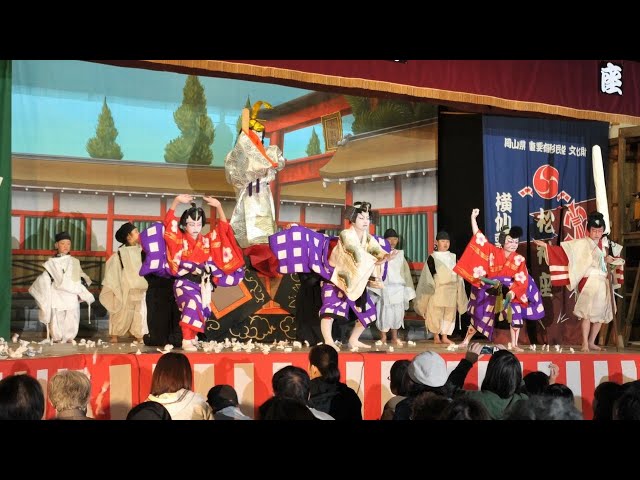
In theaters and small performance venues, plays where actors bring stories to life and draw the audience into the world on stage are a form of entertainment that can evoke nostalgia even for older adults.
Every time the characters express joy or sorrow within the story, laughter and applause may rise from the seats.
The worldview created by costumes and stage sets is something special, making the audience feel as if they’ve stepped right into the story.
Many people enjoy going to the theater with family and friends, and the time spent sharing impressions after the show is another pleasure.
It’s an entertainment full of charm, where you can experience the power of live acting and storytelling up close.
Street TV

Nowadays, you can buy a TV under 32 inches for tens of thousands of yen, but what was it like when TVs first went on sale? When regular TV broadcasting began in 1953, a television set reportedly cost about 240,000 yen.
At that time, when the starting monthly salary for a university graduate was around 10,000 yen, TVs were extremely expensive.
As a result, the president of Nippon TV promoted the installation of public street TVs at stations and parks in the Tokyo metropolitan area.
Professional wrestling was said to be one of the most popular programs on these street TVs, and on one occasion, as many as 10,000 people gathered in front of the street TV at Shimbashi Station for a pro-wrestling broadcast.
If you bring up the topic of street TVs in conversations with older people, it might make for an engaging discussion.

For seniors: Nostalgic and fun! Let’s look back at Showa-era entertainment (11–20)
ice skating

One of the pastimes that many people have enjoyed in winter is ice skating.
When the weather turns cold, plenty of people head to the rink with family and friends, savoring the excitement of gliding over the ice.
At first it can be hard to keep your balance, and you might take a few spills, but as you gradually get better, the joy of improving draws many people in.
Skating rinks often play music, and the ice becomes a place for shared laughter—holding hands with friends and slowly skating together, creating many happy moments.

Arcade game

Arcade games that you could enjoy at city game centers and cafés were among the most beloved forms of entertainment.
Many people probably remember the thrill of dropping in a coin, watching the screen spring to life, and hearing the beeps as the game began.
Friends would take turns playing, and crowds would naturally gather to cheer on those who were good at clearing stages, creating a lively atmosphere.
The charm of arcade games lies in how you can dive in and have fun, even if only for a short time.
karaoke

For many older adults, one of the most beloved pastimes even today is karaoke.
The joy of singing your favorite songs with a microphone has brought smiles to people of all ages.
When you sing enka or nostalgic pop songs, memories from your youth come flooding back, and many people are reminded of the events and scenes of those days.
Taking turns singing with family and friends, clapping along, and saying things like “That was great!” creates a warm and delightful time together.
Singing lifts your spirits and naturally gets the conversation flowing.
Karaoke can be called a fun pastime, continuing since the Showa era, that invigorates both the mind and body.
Overseas travel
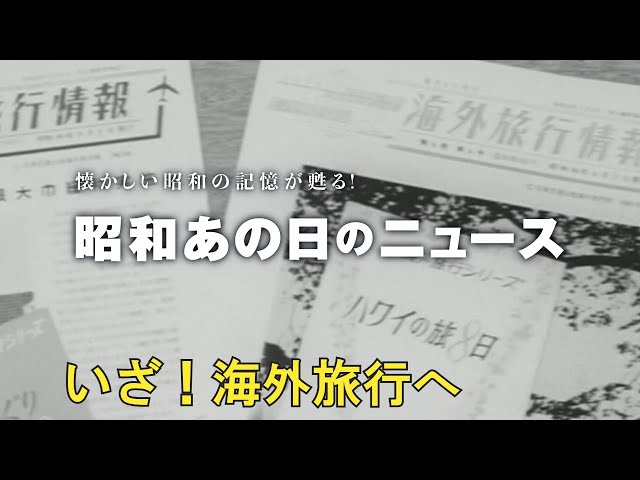
In the Showa era, traveling abroad was one of the special forms of entertainment.
Getting on a plane and going to a faraway country was a major event, and many people probably remember the excitement that built up even before departure.
Experiencing foreign cityscapes, cultures, and foods for the first time felt fresh and left a lasting impression.
The memories of spending fun times with family and friends—choosing souvenirs and taking photos—have likely become cherished recollections now.
The surprises and emotions felt on the journey remain treasures that can be talked about for years to come.
Overseas travel was one of the memorable pastimes of the Showa era, letting people feel the dream and expansion of the world.