

The nostalgic world of Showa-era films. Revisiting masterpieces that linger in the heart.

The music flowing from the screens of Showa-era films, the expressions of the actors, and the streetscapes and everyday lives of the time—all of these woven together create a nostalgic world with a special warmth you can’t quite find today.
Memories of going to the cinema with family, moments of gripping the edge of your seat before the screen, and countless unforgettable scenes that stirred the heart.
In this article, we’ll be introducing a selection of masterpieces from the Showa period all at once.
If any titles catch your interest, please take the opportunity to revisit them and take your time exploring the enduring charm of Showa cinema, which seems to shine brighter as the years go by.
The nostalgic world of Showa-era films. Revisiting unforgettable classics (1–10)
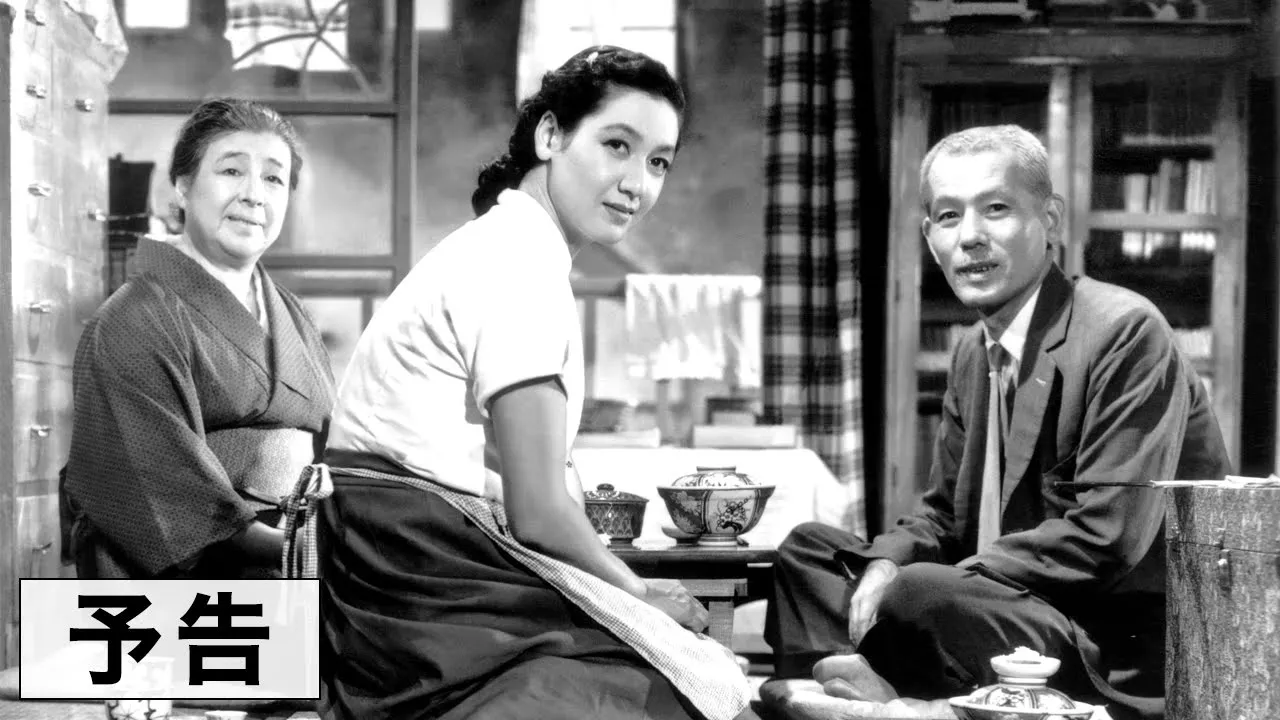
Tokyo Story

Tokyo Story is a 1953 film directed by Yasujirō Ozu.
It quietly portrays the “truths of family” found in everyday life—there are no flashy events, just a calm depiction of the disconnect between aging parents and their children living in the city.
Its appeal lies in how love, loneliness, and the changes of the times seep through that stillness.
A real portrait of postwar Japan: the streets of Tokyo and Onomichi in the Shōwa era, tatami rooms, life around the low dining table—all carefully capture the “true face” of Japan at the time.
Though unshowy, it leaves a deep impression once it ends.
Universal themes—distance between parents and children, aging, the bonds and solitude of family—resonate not only with the Shōwa era but also with people living today.

The Burmese Harp

The Burmese Harp is a human drama that quietly portrays the sorrow of war.
Rather than intense combat, it expresses prayers for the lives lost and a longing for peace through beautiful imagery and music.
The sound of the harp played by the protagonist, Mizushima, resonates as a “symbol of hope,” soothing people’s hearts amid the devastation of war.
The natural landscapes of Burma (now Myanmar) and the figure of Mizushima after he becomes a monk are depicted in monochrome with a poetic beauty.
Through the universal questions of “What does it mean to live?” and “What does it mean to pray?”, the film stands as a work that symbolizes the spiritual renewal of the Japanese people in the postwar era.
Twenty-Four Eyes

Twenty-Four Eyes is a moving story that portrays the bond between a teacher and her students.
Set on a small island in the Seto Inland Sea, it depicts the lives of people who endure the prewar, wartime, and postwar eras through the interactions between a newly appointed female teacher and twelve children.
As we witness the changing times, the sorrows of life, the children’s growth, and their partings, the irreplaceable value of everyday peace lost to war quietly resonates.
The warmth of nature and humanity—the beautiful scenery of the Seto Inland Sea and the simple lives of the villagers—are depicted with care, leaving the primal landscape of Showa-era Japan etched in the heart.
Battles Without Honor and Humanity

Directed by the master filmmaker Kinji Fukasaku and starring Bunta Sugawara, the film Battles Without Honor and Humanity premiered in 1973 to major commercial success and went on to spawn a five-film series.
Its source material is a nonfiction work based on the prison memoirs of Kozo Mino, boss of the Mino-gumi and one of the participants in the postwar Hiroshima conflict known as the Hiroshima War, with commentary by Koichi Iihoshi.
Overturning the conventions of earlier ninkyo (chivalry) yakuza films, it rigorously pursues realism; through its stark portrayal and intense violence, it vividly reconstructs the true face of the yakuza.
The Inugami Family

The mystery film The Inugami Family, based on the novel of the same name by Seishi Yokomizo and directed by Kon Ichikawa, was released in 1976 as the first Kadokawa Pictures production.
The story follows the brilliant detective Kosuke Kindaichi, played by Koji Ishizaka, as he delves into a series of bizarre consecutive murders revolving around an inheritance at the Inugami family estate on the shores of Lake Nasu.
When people think of “Kosuke Kindaichi,” many likely picture Koji Ishizaka.
The film depicts the murders with a number of shocking scenes, and among them, the image of a corpse with two legs sticking out of the lake was particularly striking.
It’s Tough Being a Man

Starring Kiyoshi Atsumi in the role he was born to play, Torajirō Kuruma—better known as “Tora-san”—Otoko wa Tsurai yo (It’s Tough Being a Man) premiered in 1969.
The film received high acclaim, became a series, and, over 27 years, an impressive 48 installments were released, making it a beloved national institution.
Set in Shibamata, Katsushika, a down-to-earth neighborhood in Tokyo, the standard storyline follows Tora-san, a traveling peddler, as he returns home; he encounters a “Madonna,” the series’ recurring love interest in each film, experiences a fleeting romance that never fully blossoms, and then sets off on the road again.
The film’s highlights are Tora-san’s delicate sensitivity to human feelings and the “good old Showa-era” scenery of Japan, from Shibamata to the places he wanders.
The Castle of Sand
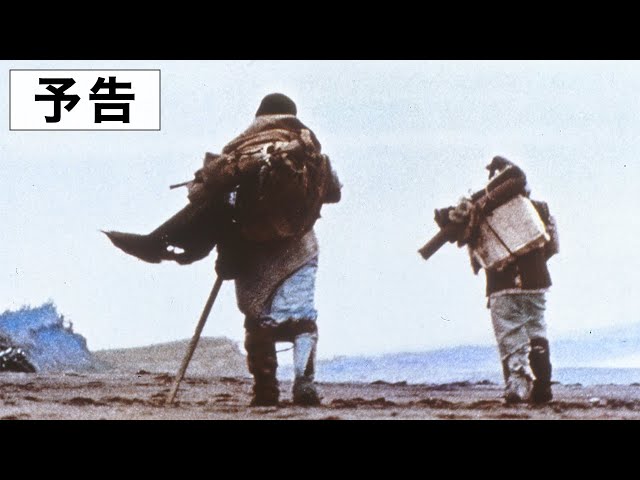
The Castle of Sand is a film about poverty, discrimination, and the tragedy between parent and child.
Though it’s a detective drama, its profound portrayal of human suffering and love is deeply moving.
Suspense: the investigation builds tension as it closes in on the truth from scant clues, and the beauty of the structure lies in how all the mysteries connect in the finale.
Music and visual artistry: the climactic sequence set to the famous piece ‘Fate’ is a landmark scene in Japanese cinema.
The integration of music and imagery, with emotions erupting on screen, is unforgettable.
Showa atmosphere and realism: trains, stations, rural landscapes, and the warmth of the detectives—all carefully depict the look and values of Japan in the Showa era.