

The nostalgic world of Showa-era films. Revisiting masterpieces that linger in the heart.

The music flowing from the screens of Showa-era films, the expressions of the actors, and the streetscapes and everyday lives of the time—all of these woven together create a nostalgic world with a special warmth you can’t quite find today.
Memories of going to the cinema with family, moments of gripping the edge of your seat before the screen, and countless unforgettable scenes that stirred the heart.
In this article, we’ll be introducing a selection of masterpieces from the Showa period all at once.
If any titles catch your interest, please take the opportunity to revisit them and take your time exploring the enduring charm of Showa cinema, which seems to shine brighter as the years go by.
- Actors of the Showa era who performed countless iconic scenes. Introducing the legendary masters of the craft.
- List of popular Showa-era actresses that bring back memories: introducing iconic stars who evoke nostalgia
- Nostalgic foods of the Showa era. Let’s trace the memorable flavors and the memories they evoke.
- [For Seniors] Nostalgic! Showa-Era Quizzes Recommended for Reminiscence Therapy
- Nostalgic cars from the Showa era: A special feature on memorable classic cars spotted on street corners
- A must-see for the Showa generation! Nostalgic popular snacks from the old days
- [For Seniors] Nostalgic quizzes that bring back memories! Showa-era entertainment and sports questions
- [Nostalgic Showa Fashion] The changing trends that feel both nostalgic and fresh
- [Recommended for people in their 70s] Songs that really move you. Beloved classic Japanese hits of the past.
- Recommended love songs for people in their 90s: A collection of classic Shōwa-era romance songs
- A compilation of beautiful actresses and singers from the Showa era: the beauties who captivated countless fans.
- [For Seniors] Recommended for Brain Training! Nostalgic Showa-Era Quiz
- Heartwarming nostalgia: scenes of Showa-era streets that bring back memories.
The nostalgic world of Showa-era films. Revisiting unforgettable classics (1–10)
Rashōmon

This work explores a profound theme: truth is not singular.
Its structure—four people recounting the same incident in completely different ways—vividly portrays human lies, desire, and self-justification.
It has a philosophical appeal that makes viewers ponder, “What is truth?” Visual beauty and innovation: techniques such as filming directly into sunlight and rendering the interplay of light and shadow in the forest were groundbreaking for their time.
The visuals themselves were praised for narrating the story.
Overwhelming performances: the passionate, powerful acting of Toshiro Mifune, Machiko Kyo, and others highlights the characters’ madness and raw humanity.
It’s a film brimming with the charm of the Showa-era cinema.

Godzilla

The film Godzilla is a tokusatsu kaiju movie released in 1954.
It was produced with inspiration from the Bikini Atoll hydrogen bomb tests, which were a major social issue at the time.
Godzilla, an ancient legendary monster lurking on the ocean floor, is driven from its habitat by hydrogen bomb testing and comes ashore in Tokyo; as it destroys the city, the giant monster is portrayed both as a terror to humanity and as a “child of the nuclear age.” It drew an audience of 9.61 million and subsequently became a series.
From the second installment onward, battles between monsters are depicted, featuring kaiju such as Mothra, Rodan, and King Ghidorah.
Seven Samurai

The period film Seven Samurai, directed by the master Akira Kurosawa, was released in 1954.
That year it won the Silver Lion at the Venice International Film Festival and has had a profound influence on many filmmakers and works both in Japan and abroad.
The story follows seven samurai hired by peasants in a Sengoku-era village who are suffering as bandits steal their harvest; the samurai defend the village from the bandits’ raids.
Shot entirely in black and white, the film’s climactic battle in a torrential downpour is dynamic and overwhelming.
After the victory restores peace to the village, the leader of the samurai says in the memorable final scene, “The victory belongs to the farmers, not to us.”
The nostalgic world of Showa-era films: Revisiting unforgettable masterpieces (11–20)
Merry Christmas, Mr. Lawrence

Merry Christmas, Mr.
Lawrence is a masterpiece that portrays the human drama within war.
Set in a Japanese POW camp during World War II, it tells a profound story of human dignity, friendship, and inner conflict that transcends enemy lines.
An international cast—including Ryuichi Sakamoto, David Bowie, Takeshi Kitano, and Tom Conti—comes together, giving the film a rare global scale for a Showa-era production.
The beauty of Ryuichi Sakamoto’s music is also captivating: its quiet, melancholic melodies express the sorrow of war and the warmth of humanity, and became famous worldwide.
With its visuals, music, and performances all achieving a high level of artistry, it stands as a classic of the Showa period.
The Yellow Handkerchief of Happiness
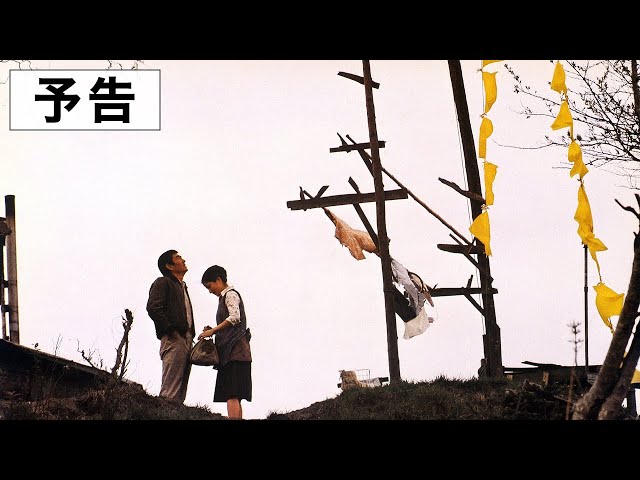
The Yellow Handkerchief of Happiness is a moving road movie about new beginnings.
It tells the story of Yusaku Shima (played by Ken Takakura), a man who has finished his prison term and, while traveling with a young couple, confronts his past sins, love, and hope.
It is a tale of human warmth and rebirth.
Rather than flashy drama, it quietly portrays the trust in others and the courage to start over through encounters and conversations.
The final scene, with the yellow handkerchief fluttering, is a legendary moment in Japanese cinema, symbolizing forgiveness and hope.
The vast landscapes of Hokkaido, the old car, and the unpretentious people evoke the warmth and wistful charm of Showa-era Japan.
Yakuza Wives

Directed by Hideo Gosha and starring Shima Iwashita, the film ‘Gokudo no Onna-tachi’ (The Yakuza Wives) released its first installment in 1986.
Based on nonfiction writer Soko Ikeda’s original work, the movie adapts the story from the women’s perspective—previously relegated to supporting roles—portraying, with realism, wives who hold their own as equals in the yakuza world, as well as sisterly bonds and fierce clashes between women.
Following the major success of the first film, a total of ten theatrical installments were released in the series.
The line by “ane-san” Iwashita from Gokutsuma—‘Aho’ndara, if you think you can shoot, go ahead and try’—is a great one.
A Taxing Woman
Directed by Juzo Itami and starring Nobuko Miyamoto, the film A Taxing Woman (Marusa no Onna) was released in 1987.
As the third entry in Itami’s filmography, it tackles the theme of “the Japanese and money,” portraying a tense cat-and-mouse battle between a female investigator from the National Tax Agency’s Inspection Department—nicknamed “Marusa”—and a major tax evader, with both thrilling confrontations and comedic highlights of the protagonist’s exploits.
Thanks to the film’s success, the term “Marusa” became widely known, and it won the Gold Prize in the New Words category of that year’s New Words and Buzzwords Awards.