

For Seniors: Get Hooked Again! Let’s Look Back at Nostalgic Showa-Era Games

Don’t those nostalgic games we were obsessed with in the Showa era bring those days rushing back when you think of them? The experiences of playing with family and friends are filled with charms we can talk about across generations.
In this article, we’ll introduce a wealth of nostalgic games that will make you exclaim, “Oh, I remember that!” As you look back on memories from those days, we hope you’ll enjoy a delightful trip down memory lane.
[For Seniors] Get Hooked! Let's Revisit Nostalgic Showa-Era Games (1–10)
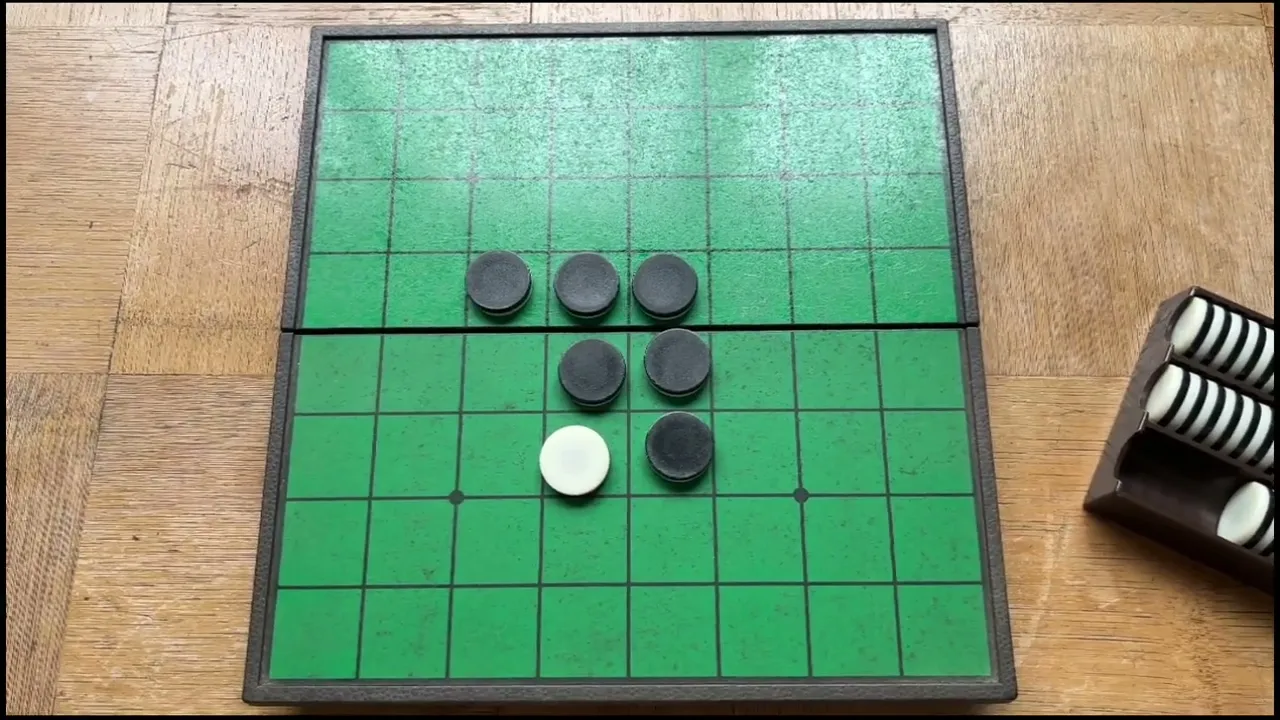
Othello

Othello is a board game played with black and white discs in which players vie for control of the board, and it is loved not only in Japan but around the world.
It is characterized by the rule of placing discs on an 8×8 grid and flipping the opponent’s discs to your color by sandwiching them between your own.
You need to anticipate your opponent’s moves and plan your next play, and because the board can change dramatically toward the endgame, there’s a constant tension where the outcome remains uncertain until the very last moment.
Its easily learned rules and appeal across a wide range of ages are also attractive features.
It is enjoyed in various places such as homes, schools, and cafés, where many people gather around the board to compete.
It is a profound game that lets you savor the fun of reading ahead and strategic maneuvering.

The Game of Life

The Game of Life is a board game, long beloved, in which you experience life events in a sugoroku-style progression.
Players ride in car-shaped pieces and aim for the goal while going through various events like advancing to higher education, getting a job, and buying a house.
You spin a roulette to move, gaining and losing money along the way, and part of the appeal is the joy and despair of unexpected happenings.
Children can play while imagining their future lives, and adults can get excited right along with them.
As a board game that families and friends can enjoy together for long periods, it also brightened the family time of Showa-era households.
It’s a game that spreads the fun of vicariously experiencing life’s events while you play.
Game & Watch

Game & Watch became hugely popular as an electronic game you could carry around and play on the go.
The palm-sized unit featured an LCD screen, and players controlled characters with buttons to compete for high scores.
It used LCD displays based on calculator technology, drawing attention at the time as a new form of play.
Each title offered different gameplay—catching falling objects, maneuvering characters to avoid hazards, and more—leading to a variety of games.
As a portable game that could be enjoyed outside the home, it became a coveted item among children and spawned many series.
It’s a handheld game with the appeal of being engrossing even in short bursts.
soccer game

The tabletop soccer game, beloved in homes and candy shops, is played by operating two levers to control 11 players and aim to kick the ball into the opponent’s goal.
Moving the levers forward, backward, left, and right makes the players move in unison, and timing your shots well is the key to victory.
The exhilaration when the ball rockets into the goal and the joy of scoring by slipping past the defense are special.
It’s often played head-to-head, making for intense matches with friends and family, which is part of its appeal.
Because your hand movements can change the flow of the game, it’s hard to get bored even after many plays.
It’s a game where quick reflexes and timing decide the outcome, letting you enjoy heated competitions.
Space Invaders

Space Invaders, known as a landmark video game that energized Showa-era arcades, captivated many at the time.
The gameplay involves moving your ship left and right to dodge attacks while shooting down waves of invaders that descend from the top of the screen.
The distinct movement of the invaders—slowly advancing in formation—and the sounds when you shoot them down heighten the tension and draw players into deep focus.
With a scoring element, it’s also fun to keep challenging yourself to survive as long as possible.
The machines lined up in cafés and game corners, and the game became so popular it was called a social phenomenon.
It’s a highly addictive game that tests your reflexes and concentration.
Twister
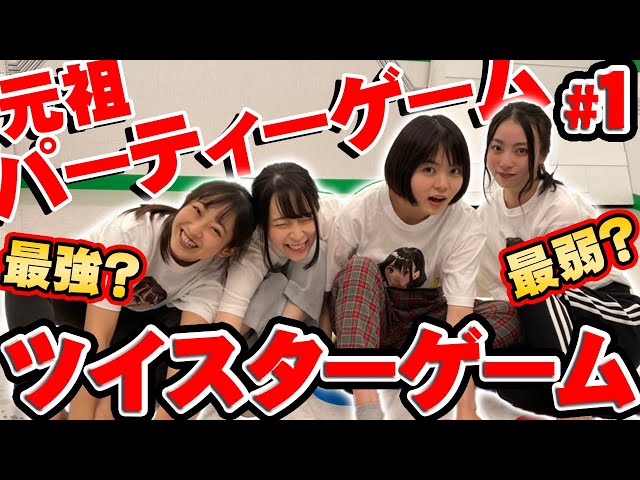
Twister is a game where you use your body to play on a mat covered with colorful circles.
You spin a spinner and place the indicated hand or foot on the specified colored dot on the mat spread out on the floor, and the positions become increasingly complicated.
Players must stretch their hands and feet to the designated spots while keeping their balance so they don’t fall, often ending up in unexpected poses that make everyone around burst into laughter.
It’s popular as a party game to enjoy with family and friends, and many children and adults alike have been hooked.
It’s a game that creates lively moments full of laughter while getting everyone moving.
Punch-Out Bowling

Amid a nationwide bowling boom, Tommy, a long-established toy maker, released Punch-Out Bowling in 1971 (Showa 46).
It became popular as a toy that let you enjoy the fun of bowling at home.
The gameplay involves operating a lever to roll the ball and competing to see how many lined-up pins you can knock down.
Just like real bowling, you can aim for strikes and spares, making it something you’ll want to try over and over.
The exhilaration of the pins toppling and the joy when the ball follows the course you intended captivated both children and adults.
As an easy way to get a taste of bowling, it was a beloved game in many households.