

[Nostalgic Showa Fashion] The changing trends that feel both nostalgic and fresh

Showa-era fashion is filled with a captivating charm that mirrors its times.
From the 1960s, when people admired miniskirts, to the 1980s, when they danced in bodycon dresses, each moment is etched in our hearts as a brilliant memory.
We present the evolution of Showa fashion—nostalgic for those who lived it and a fresh surprise for younger generations—through photos and videos.
It’s like boarding a time machine and setting off on a journey through the history of fashion.
- Nostalgic foods of the Showa era. Let’s trace the memorable flavors and the memories they evoke.
- A must-see for the Showa generation! Nostalgic popular snacks from the old days
- The nostalgic world of Showa-era films. Revisiting masterpieces that linger in the heart.
- A nostalgic feature on Showa-era magazines: looking back at the popular magazines of the time.
- A roundup of nostalgic Showa-era home appliances, including rare ones you don’t see anymore!
- Recommended youth songs for people in their 80s: A collection of nostalgic classics
- Heisei retro fashion is making a comeback in the Reiwa era! The appeal of Y2K style
- Heartwarming nostalgia: scenes of Showa-era streets that bring back memories.
- Nostalgic cars from the Showa era: A special feature on memorable classic cars spotted on street corners
- [For Seniors] Nostalgic! Showa-Era Quizzes Recommended for Reminiscence Therapy
- Recommended love songs for people in their 80s: A collection of classic love songs that colored the Showa era
- [For Seniors] Nostalgic and Fun! Let’s Look Back on Showa-Era Entertainment
- [For Seniors] Irresistibly Grabbable! A Special Feature on Nostalgic Showa-Era Goods
[Nostalgic Showa Fashion] The Shifting Trends That Feel Both Nostalgic and Fresh (1–10)
bell-bottoms
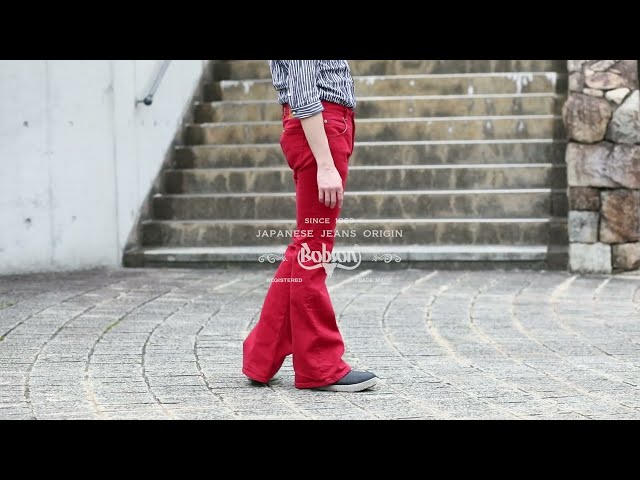
In the late 1960s, the quintessential hippie fashion was floral shirts paired with bell-bottoms.
They were characterized by a silhouette that flared dramatically from the knee to the hem.
Later, fashion designers in Paris introduced bell-bottom-style pants as “pantalon,” sparking a new trend in women’s fashion.
In Japan, they were known as “pantalon” or “rappa-zubon,” so many people may find the terms familiar.
Pantalon made a comeback during the vintage clothing boom of the 1990s, but it seems that “pantalon” is now considered an archaic term.
hot pants
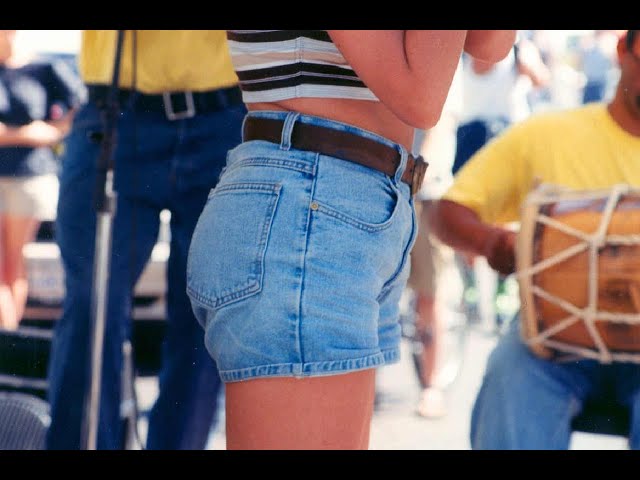
Hot pants are extremely short shorts that became a worldwide craze in the early 1970s.
In Japan, wearing hot pants became a fashionable trend among young women in the summer of 1971.
As for the origin of the “hot” in hot pants, there’s a theory that when they were unveiled at the 1971 Paris Collection, fashion magazines remarked that they made men’s gazes turn hot—but who knows how true that is.
Given that miniskirts were hugely popular in the late 1960s, it’s no surprise that hot pants caught on as a trend, especially among young women.
Machiko wrap (a scarf style popularized by actress Machiko Kyō)
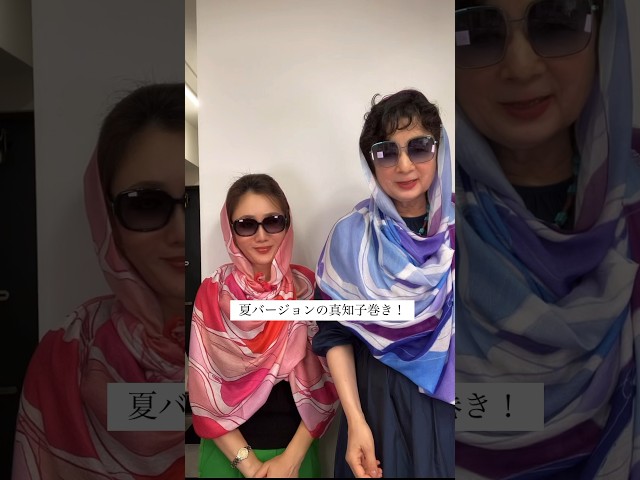
The way Machiko Ujiie, the heroine of the 1953 film “Kimi no Na wa,” tied her scarf in the movie came to be known and used as the “Machiko-maki.” The fashion and scarves she wore were apparently a huge craze at the time.
Drape the scarf over your shoulders and tie a shoulder knot around the pit of your stomach.
Then pull it over from the back to cover your head, and finally tie the ends together at the back of your neck to finish.
It helps hide your face and protect against the wind, so give it a try!

[Nostalgic Showa Fashion] Trends That Are Both Nostalgic and Fresh (11–20)
Shibu-kaji (a Japanese fashion style blending rugged, vintage Americana with a subdued, mature vibe)

Shibu-caji is short for “Shibuya casual,” a youth fashion trend that spread mainly in Shibuya from the late 1980s to the early 1990s.
It’s characterized by styling simple items like polo shirts, loafers, and jeans.
The media spotlighted Shibuya high school boys who favored fashion based on American casual (ame-caji), labeling it “shibu-caji,” which led to its nationwide popularity.
It became a style that rose as a counterculture to the then-dominant DC brands.
DC brand
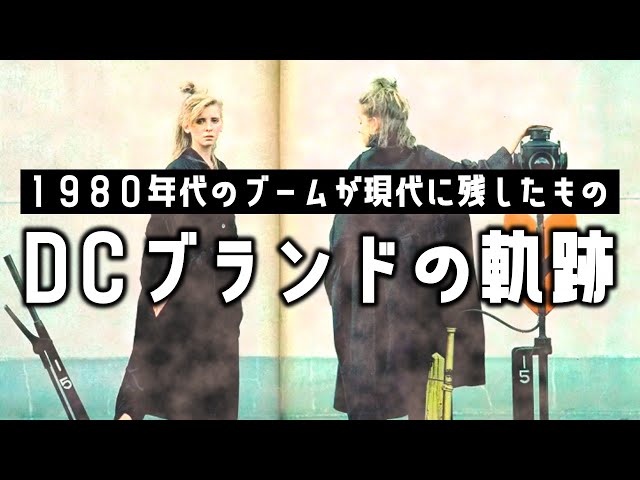
“DC brands” is a collective term in Japan for designer brands and character brands of clothing.
From the late 1980s to the early 1990s, Japan was buoyed by the bubble economy, and young people flocked to DC brands.
From early exemplars like Comme des Garçons, Yohji Yamamoto, KENZO, and Issey Miyake to labels such as VICKY, NICOLE, and Takeo Kikuchi, many of you probably had a favorite brand.
After the bubble burst, consumer preference shifted from luxury to “cost performance,” and DC brands went into decline.
bodycon

Bodycon is short for “body-conscious,” meaning awareness of the body.
The concept emerged around the time miniskirts appeared in the 1960s and resurfaced in the 1980s.
During Japan’s bubble era, the fashion trend for women was “bodycon” — tight dresses and suits that emphasized the body’s contours.
Brands like Pinky & Dianne and Junko Shimada were especially popular.
Women known as “one-length hair bodycon” types and “bodycon gals” with thick eyebrows would dance night after night at Juliana’s Tokyo.
Takenoko-zoku (“Bamboo Shoot Tribe”): a Japanese youth subculture from late 1970s–early 1980s known for colorful outfits and group street dancing, especially in Harajuku.
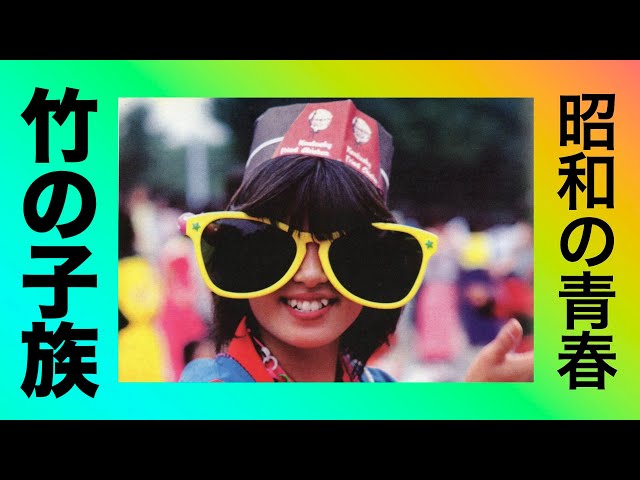
Takeshita-dori’s “Takenoko-zoku” fashion was characterized by brightly colored, primary-hued outfits, multicolored hachimaki headbands with sunglasses, flashy makeup, and even school indoor shoes.
In the early 1980s, they were a popular sight in Harajuku’s pedestrian zone, dancing step routines while blasting music from boomboxes.
The name “Takenoko-zoku” comes from the Harajuku boutique Takenoko; the young people who danced wearing the shop’s costumes came to be called the “Takenoko tribe.” Among celebrities, Hiroyuki Okita is well known as a former member of the Takenoko-zoku.