

![[Nostalgic Showa Fashion] The changing trends that feel both nostalgic and fresh](https://i.ytimg.com/vi_webp/CRr7FCB2EoM/maxresdefault.webp)

Showa-era fashion is filled with a captivating charm that mirrors its times.
From the 1960s, when people admired miniskirts, to the 1980s, when they danced in bodycon dresses, each moment is etched in our hearts as a brilliant memory.
We present the evolution of Showa fashion—nostalgic for those who lived it and a fresh surprise for younger generations—through photos and videos.
It’s like boarding a time machine and setting off on a journey through the history of fashion.
- Nostalgic foods of the Showa era. Let’s trace the memorable flavors and the memories they evoke.
- A must-see for the Showa generation! Nostalgic popular snacks from the old days
- The nostalgic world of Showa-era films. Revisiting masterpieces that linger in the heart.
- A nostalgic feature on Showa-era magazines: looking back at the popular magazines of the time.
- A roundup of nostalgic Showa-era home appliances, including rare ones you don’t see anymore!
- Recommended youth songs for people in their 80s: A collection of nostalgic classics
- Heisei retro fashion is making a comeback in the Reiwa era! The appeal of Y2K style
- Heartwarming nostalgia: scenes of Showa-era streets that bring back memories.
- Nostalgic cars from the Showa era: A special feature on memorable classic cars spotted on street corners
- [For Seniors] Nostalgic! Showa-Era Quizzes Recommended for Reminiscence Therapy
- Recommended love songs for people in their 80s: A collection of classic love songs that colored the Showa era
- [For Seniors] Nostalgic and Fun! Let’s Look Back on Showa-Era Entertainment
- [For Seniors] Irresistibly Grabbable! A Special Feature on Nostalgic Showa-Era Goods
[Nostalgic Showa Fashion] The Shifting Trends That Feel Both Nostalgic and Fresh (1–10)
miniskirt
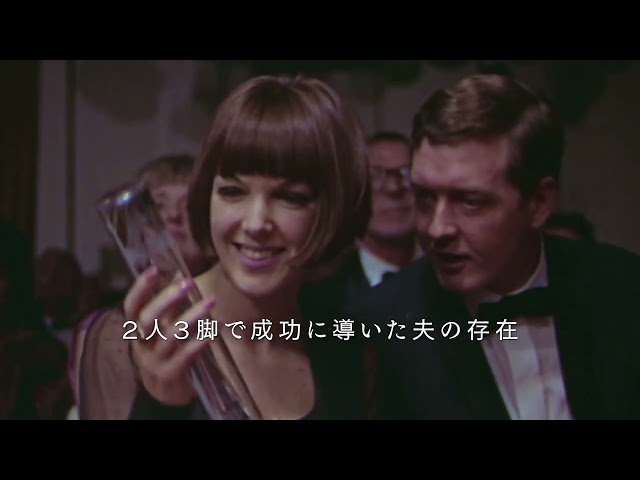
Even today, you sometimes see people on the street wearing miniskirts.
Although miniskirts give off a cute impression, their popularity in Japan in the 1960s seems to have been limited to a fashion-conscious few.
However, Twiggy—the British actress and model who was a fashion icon of the time—visited Japan in 1961.
This sparked a miniskirt boom in Japan.
In fact, in Japan, October 18, the day Twiggy arrived, is celebrated as Miniskirt Day.

New Look

It refers to the new style for women that Christian Dior unveiled in 1947, after the war.
With the end of the war, fashion shifted away from military-inspired clothing to elegant garments that emphasized feminine body lines.
Carmel Snow, the editor-in-chief of Harper’s Bazaar, is said to have coined the name for this style.
The popular actress of the time, Audrey Hepburn, is also well known for adopting and popularizing this look.
The pants she wore in films were called “Sabrina pants” and became a major trend.

pantaloons

Bell-bottoms are a quintessential fashion style of American hippie culture.
In Japan, bell-bottoms are called “pantalon,” and they reportedly became explosively popular from the late 1960s along with hippie culture.
The word “pantalon” originated in France, where it referred to long trousers in general.
In Japan, however, it specifically refers to pants with a silhouette that flares from the knee to the hem.
Some people also called them “rappa-zubon” (trumpet pants).
Many celebrities of the time wore pantalons, and Linda Yamamoto is especially associated with the look.
Incidentally, some say that the fashion-loving Fubuki Koshiji helped popularize pantalons in Japan.
Sun Tribe

The Taiyozoku youth subculture was popular in the mid-1950s.
Men favored the “Shintaro cut,” imitating author Shintaro Ishihara’s hairstyle; its free and wild look was very popular.
Within the Taiyozoku, wearing Aloha shirts and T-shirts—then commonly considered underwear—as outerwear became trendy.
Sunglasses and slip-on shoes also caught on, enhancing the wild vibe.
Women, though to a lesser extent than men, followed trends such as A-line skirts, flats, and sandals.
The Taiyozoku played a symbolic role representing Japan’s postwar youth.

Ivy Look

Ivy look is a commonly heard term in men’s fashion.
The Ivy look is a style that originated in the United States in the 1950s.
It is said to derive from the Ivy League, the style associated with America’s prestigious universities.
In the 1960s, the Ivy look became hugely popular in Japan.
Navy blazers, button-down shirts, and cotton trousers—simple yet meticulous in their details—define the style.
Even today, it remains a fundamental, classic approach to dressing and a staple set of items.
dragonfly glasses
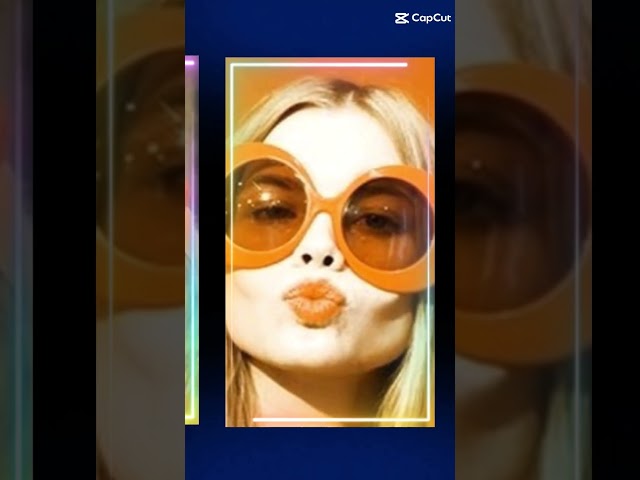
In the 1960s, when psychedelia and hippie culture were in vogue, sunglasses with large round lenses became popular.
They were especially favored by women for their face-slimming effect.
The name is said to come from the fact that the glasses, which could cover half the face, resembled dragonfly eyes.
In the 1970s, the trend exploded when Akira, the vocalist of Finger Five—a sibling group from Okinawa that dominated the Japanese pop scene—wore these sunglasses.
Everyone was singing in a high tone while sporting dragonfly glasses.
hippie

In Japan in the 1970s, the hippie style became hugely popular.
Hippie fashion included items like long dresses with flared hems and bell-bottom pants that fit snugly at the hips and widen toward the hem.
It featured loose, non-restrictive silhouettes and distinctive, colorful designs.
The background of the hippie movement lay in the social climate of the time—wars and protest movements—through which it advocated new values such as peace, harmony with nature, and individual freedom.
These ideas had a major influence on fashion.