

A trivia quiz with fun facts that convey the highlights and charm of Himeji Castle

Himeji Castle, with its white, beautiful appearance and long history, is registered as a UNESCO World Heritage Site.
It is highly popular with tourists from Japan and abroad and is designated as an Important Cultural Property of Japan.
In this article, we’ll introduce a quiz that deepens your knowledge about Himeji Castle, which is famous for its historical legends and architectural features.
Since its construction, the castle has undergone numerous repairs, carrying on people’s lives and traditions; we’ve selected questions that will help you become more familiar with it.
Try these fun trivia quizzes that will be useful when sightseeing at Himeji Castle or learning about it.
- Let’s take on the challenge! A multiple-choice history quiz for elementary school students. Review your history lessons.
- [Trick Quiz] Quiz Questions That Excite Everyone from Kids to Adults
- Quiz for junior high school students
- [World Heritage] 3-choice quiz to deepen your trivia about Nijo Castle
- Quiz about Kinkaku-ji: tidbits to help you understand the Golden Pavilion
- Fun quizzes for elementary school kids: a collection of questions everyone can enjoy together
- Tidbits Quiz about Tōdai-ji: Questions related to the Great Buddha of Nara, too!
- [Snake Quiz] Surprisingly fascinating once you know! Snake ecology & characteristics
- A world heritage site Japan is proud of! Take on a quiz to dive deep into Nikkō Tōshō-gū!
- Fun facts quiz about Kiyomizu-dera: a three-choice quiz to learn its history and appeal
- How many can you answer? Test your fan level with the Hanshin Tigers trivia & fun facts quiz
- Trivia quiz about Ginkaku-ji: three multiple-choice questions to learn about Kyoto’s history
- A quiz about the Great Buddha of Nara: fun facts to deepen your understanding of Japan’s iconic Great Buddha.
Trivia quiz (1–10) packed with fun facts that convey the highlights and charms of Himeji Castle
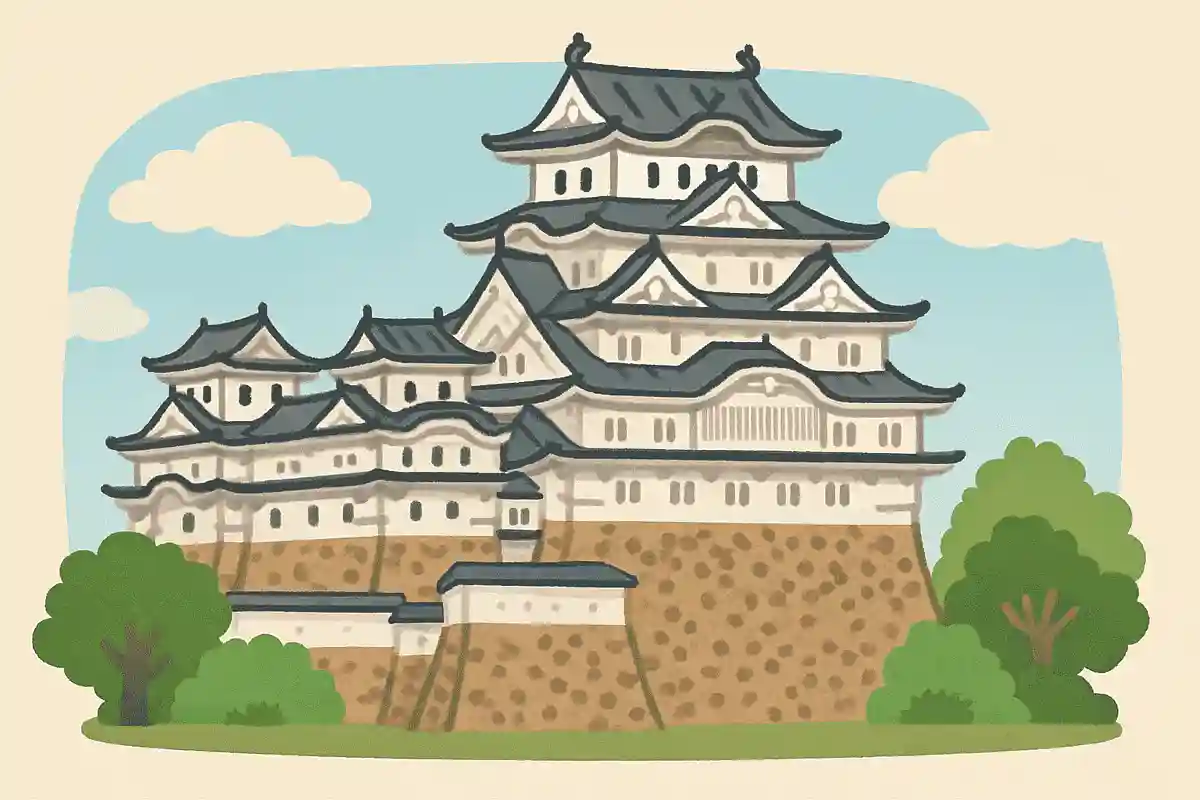
What is the name of the law under which Himeji Castle was designated as a historic site in 1927?
- Cultural Properties Protection Law
- Law for the Preservation of Historic Sites, Places of Scenic Beauty, and Natural Monuments
- National Treasures Preservation Law
See the answer
Law for the Preservation of Historic Sites, Places of Scenic Beauty, and Natural Monuments
The law applied when Himeji Castle was designated a historic site in 1927 was the Law for the Preservation of Historic Sites, Places of Scenic Beauty, and Natural Monuments. This law aims to protect Japan’s important cultural properties and underscores the importance of preserving historically significant structures like Himeji Castle for the future.

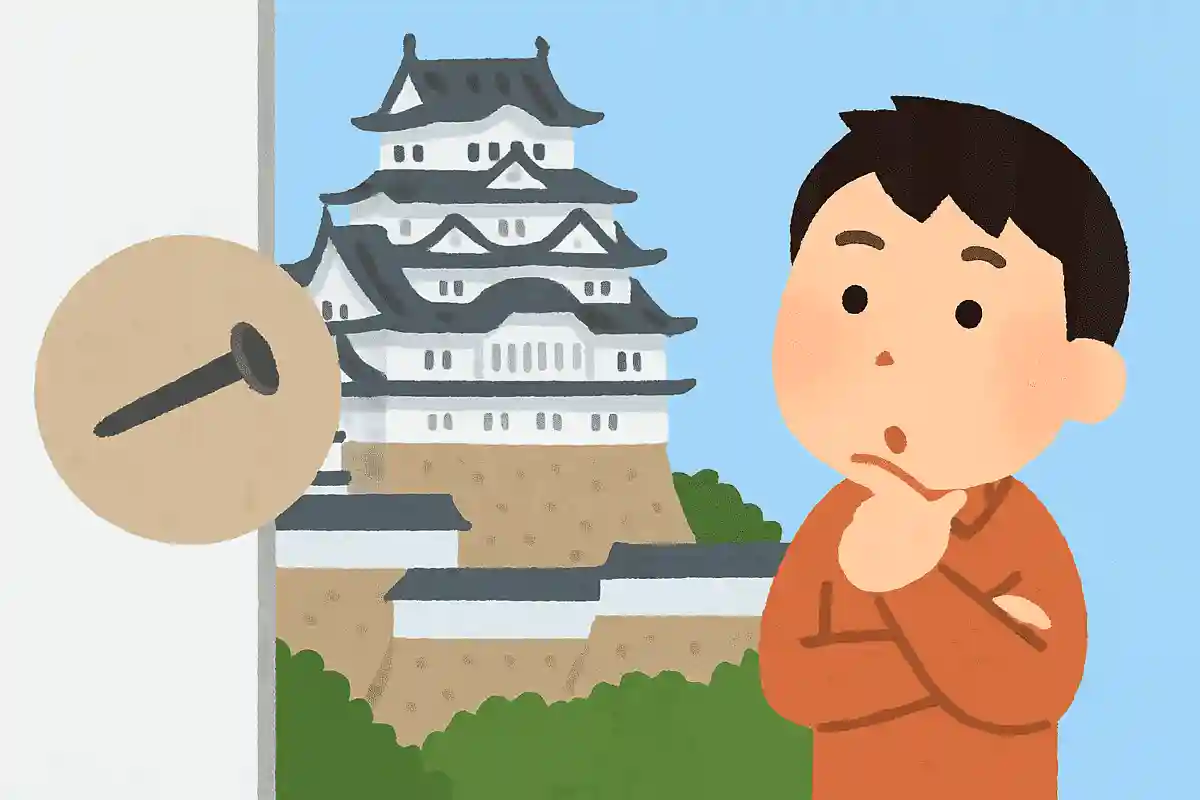
Why are there nails on the outer walls of Himeji Castle?
- For restoration work
- To secure the camouflage net draped over the building
- To make it difficult for enemies to infiltrate
See the answer
To secure the camouflage net draped over the building
The nails on the outer walls of Himeji Castle were used to secure camouflage nets that were draped over the building during World War II to protect it. These nets were intended to shield the castle from aerial reconnaissance and attacks. After the war, the nets were removed, but the nails used to fasten them remain on the outer walls. They stand as a reminder of one of the many events Himeji Castle has experienced throughout its history.
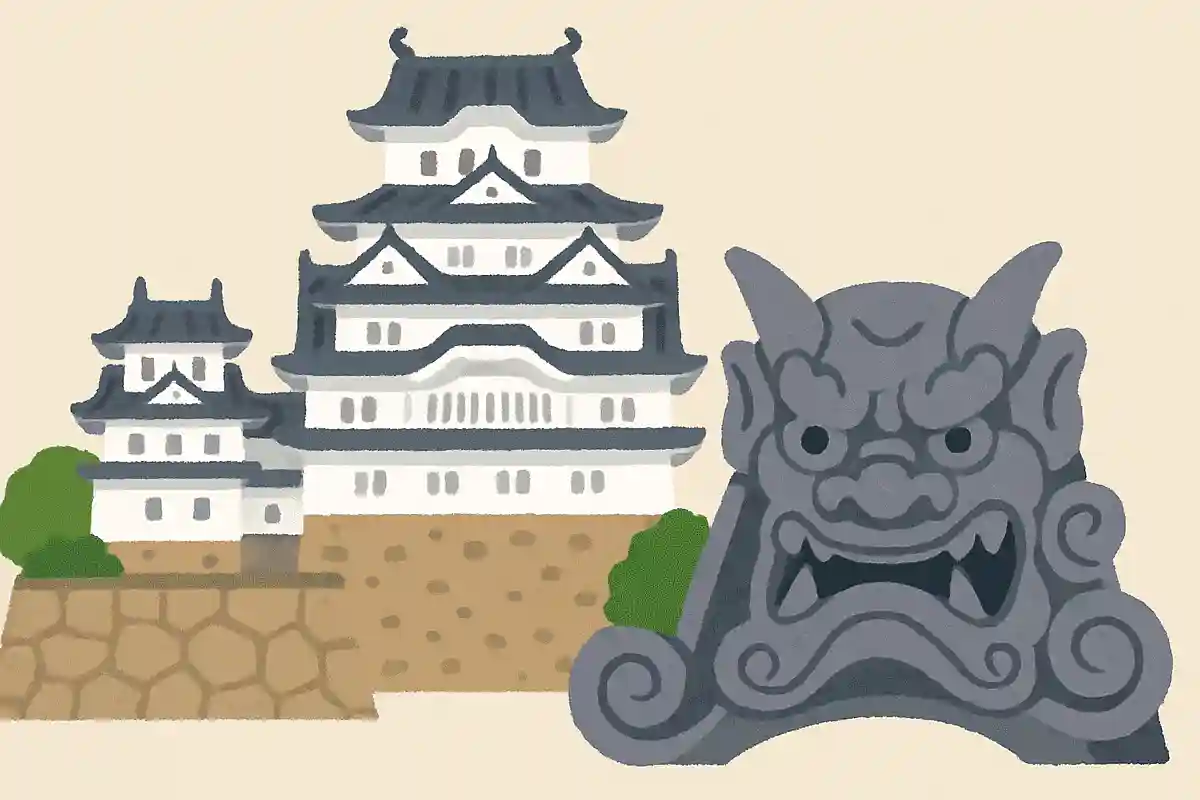
What is carved on the demon roof tile at Ninomon gate?
- dragon
- cross
- cherry blossom
See the answer
cross
What is carved on the oni-gawara roof tile of Ninomon Gate is a cross. It is said that during the period when Christianity was banned, hidden Christians secretly inscribed it on buildings as a sign of their faith. At Himeji Castle, there are several other places where the influence of Western technology and culture can be seen, demonstrating the diversity in the castle’s architecture and history.
Trivia quiz (11–20) with fun facts that showcase the highlights and charms of Himeji Castle
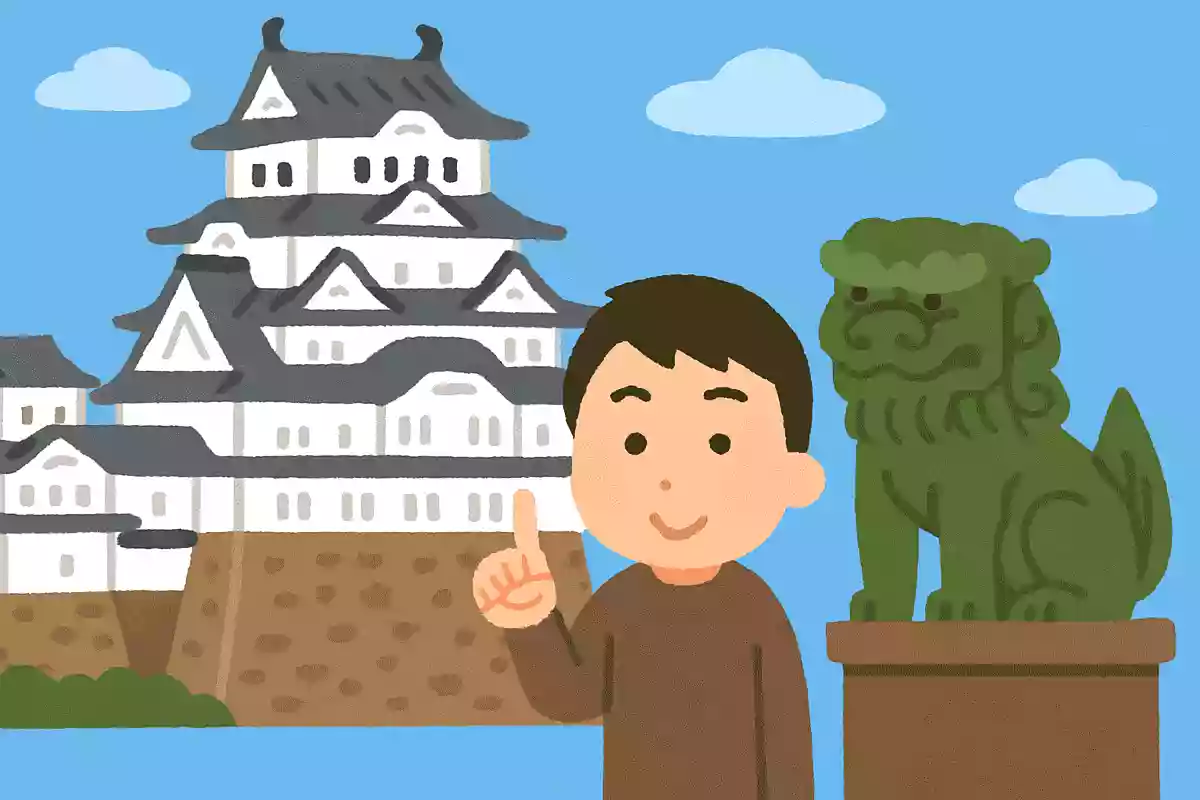
What is the name of the guardian deity of Himeji Castle?
- Osakabe Myojin
- Ukanomitama-no-Kami
- Amaterasu-Ōmikami
See the answer
Osakabe Myojin
The guardian deity of Himeji Castle is called Osakabe Myojin. Originally a god who presides over law and judicial matters, Osakabe Myojin is venerated as a powerful protector of the castle and its lords. It is said that Himeji Castle has survived many conflicts and preserved its beauty to this day thanks to the protection of this deity.
When was Himeji Castle built?
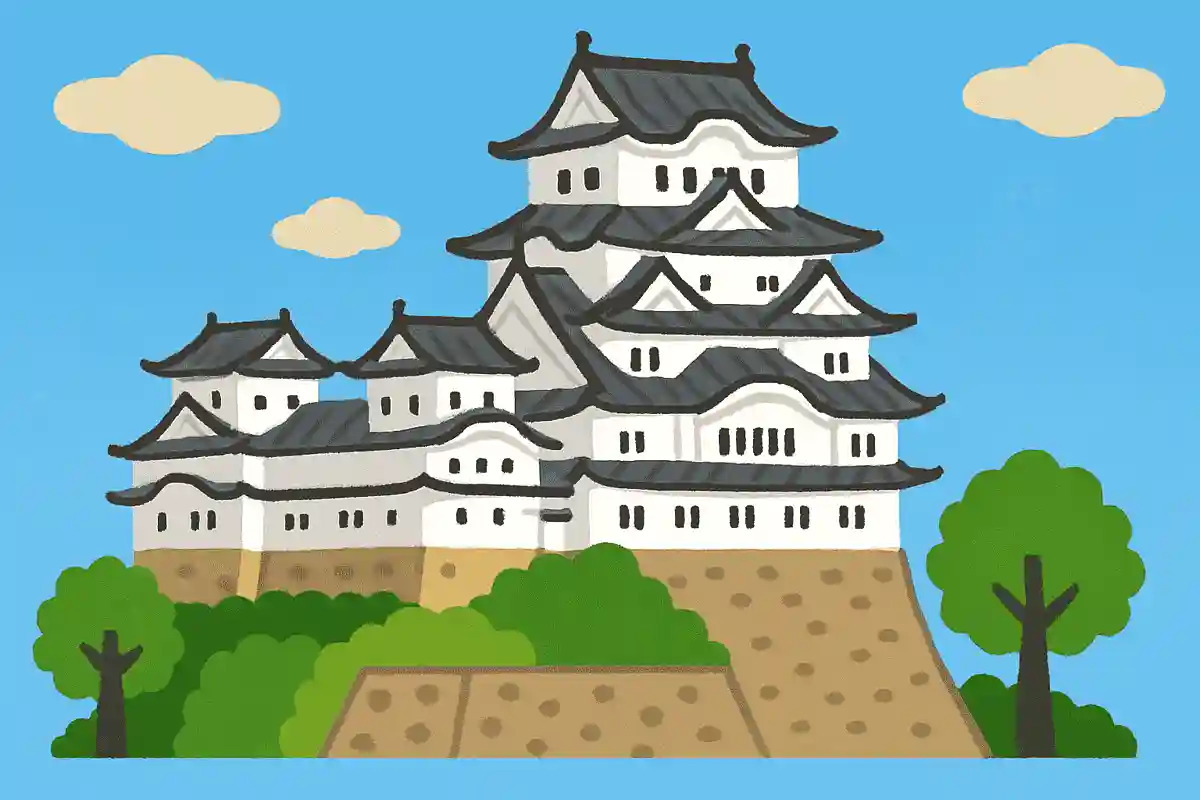
- the year 1346
- the year 1600
- the year 1868
See the answer
the year 1346
Himeji Castle, in its present form, underwent a major renovation in 1614 (Keichō 19), but its origins date back to 1346, when it was first constructed by Akamatsu Kiyoen. This year is considered extremely important in the history of Himeji Castle. Since then, through numerous changes of lords, it has remained beloved by many people up to the present day.
What kind of structure does the main keep of Himeji Castle have?
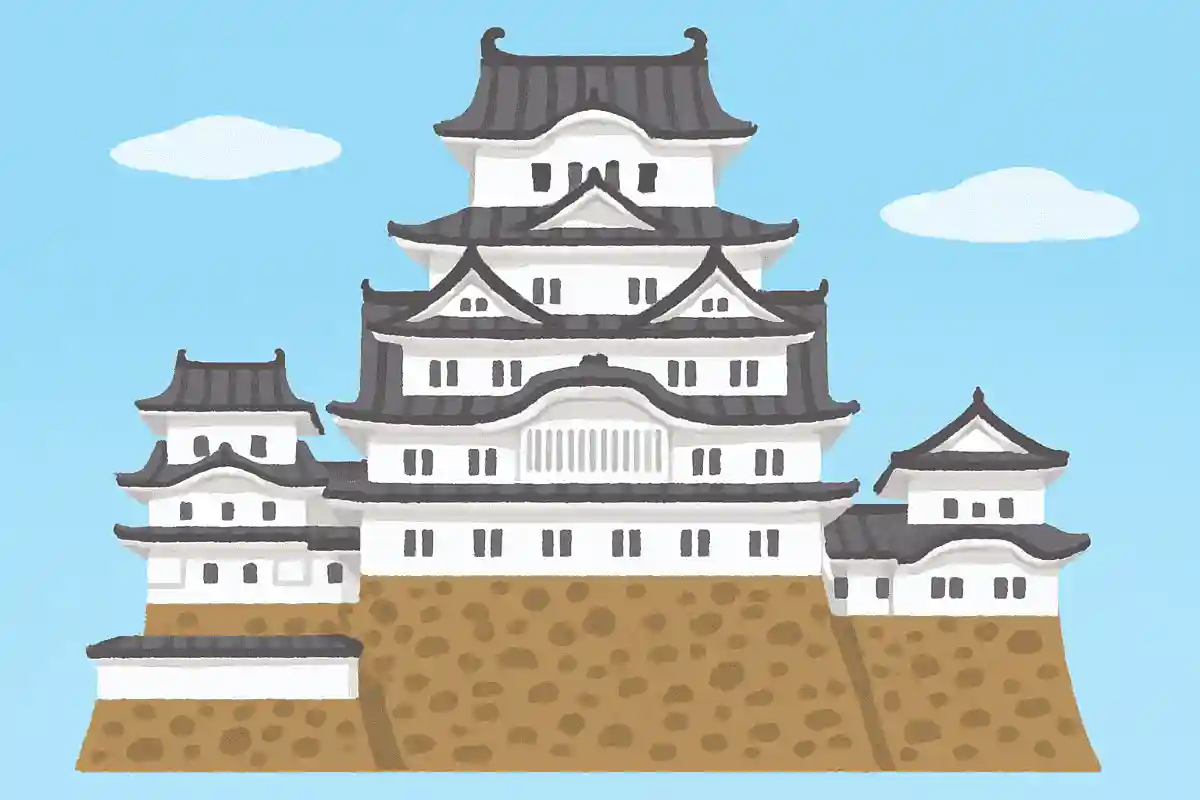
- Simultaneous-Equations Keep
- Standalone-style tenshu (castle keep)
- composite-style tenshu (castle keep)
See the answer
Simultaneous-Equations Keep
The main keep of Himeji Castle has a configuration known as a “renritsu-shiki” (interconnected) tenshu, in which multiple towers are linked together—an unusual feature in Japanese castle architecture. Only a limited number of keeps were built in this style, and Himeji Castle’s is particularly famous. In a renritsu-style keep, several towers functionally coordinate with one another while still existing independently, resulting in a highly complex and captivating architectural style. Thanks to this distinctive design, Himeji Castle’s keep possesses a beauty that sets it apart from other castles.
What is the name of the well at Himeji Castle that appears in Banshū Sarayashiki?
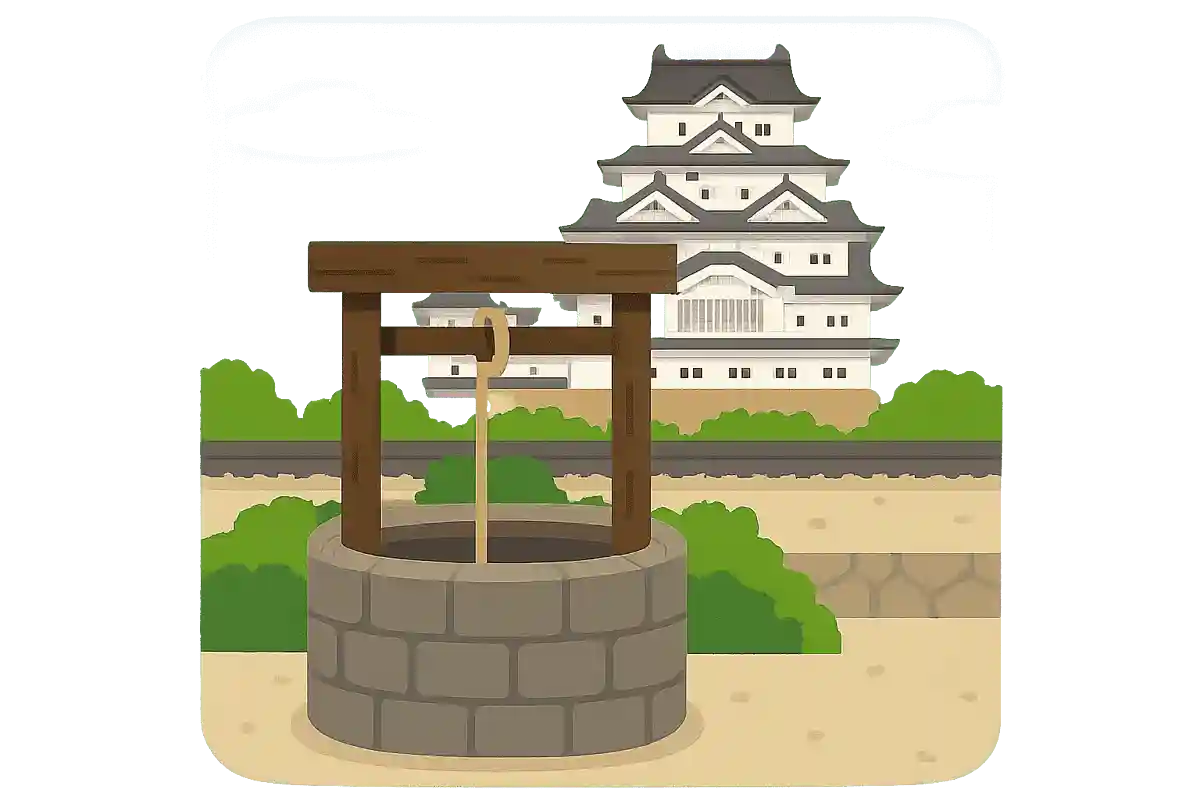
- Okiku's Well
- Sakurai Well
- Shimizu Well
See the answer
Okiku's Well
The answer is “Okiku’s Well.” This well is known as the place where a woman named Okiku plays an important role in the legend of the Banshū Sarayashiki. In the story, Okiku is falsely accused of breaking a plate and ultimately loses her life near this well, a tragic tale that has been passed down. The well, which actually exists at Himeji Castle, continues to convey the story to the many people who visit even today.