

Hit Japanese songs that represent 1997. Recommended masterpieces.

Masayoshi Yamazaki, GLAY, Mr.
Children, THE YELLOW MONKEY, L’Arc-en-Ciel, Namie Amuro, SPEED…
From the many classic songs that lit up the J-POP charts in 1997, we’ve selected hit tracks recommended by our studio staff.
It’s a nostalgic J-POP playlist that still shines vividly today.
- [1998 Japanese Hit Songs] A roundup of timeless classics that still live on in people’s memories!
- [Hit Songs of 1996] Spotlight on the iconic tracks and popular tunes that colored the Heisei era!
- 1990s J-Pop to listen to in summer: classic and hit summer songs
- Japanese hit songs from 1990. Recommended masterpieces and popular tracks
- Ranking of Popular Songs by Japanese Male Singers from the 1990s [2026]
- Iconic and hit songs by Johnny’s from the 1990s
- A must-see for people in their 30s and 40s! A roundup of nostalgic 1990s commercial jingles
- Hit Japanese songs from 1993: recommended classics and popular tracks
- [J-Rock] Timeless masterpieces that colored the 1990s. Nostalgic hit songs.
- Winter songs in 90s J-pop: a roundup of popular winter tunes
- Hit J-Pop songs of 2007: the appeal of hit tracks that exude a positive vibe
- [1995 Hit Songs] Masterpieces of Japanese music that colored the Heisei 7 (1995) music scene
- [Heisei Retro] Hit Japanese songs that defined the 1990s. Recommended J-POP classics.
Hit Japanese songs representing 1997. Recommended masterpieces (11–20)
Happy endingOhtaki Eiichi

As the theme song for a Fuji TV Monday 9 p.m.
drama, this is a gem of a love song that Eiichi Ohtaki released for the first time in 12 years.
Its gentle, heartwarming melody and lyrics that carefully weave the feelings of a woman in love blend beautifully, leading to a massive hit of 970,000 copies sold since its release in November 1997.
Used in Love Generation, the song also marked Ohtaki’s first-ever Top 10 entry as a solo artist, showcasing his rich musicality to the fullest.
Portraying a sweet yet bittersweet love story, this track is highly recommended for those harboring feelings for someone special or wishing for a happy future with a loved one.
Everything(It’s You)Mr.Children

Mr.Children’s 13th single, which topped the monthly chart in February 1997 and ranked 8th for the year.
Released just before their hiatus, it served as the theme song for the Nippon TV drama “Koi no Vacance.” The album containing the song, BOLERO, achieved remarkable sales, finishing 2nd on the annual chart and 14th on Oricon’s all-time album ranking.
1/2Kawamoto Makoto

Makoto Kawamoto’s song was a big hit, ranking No.
3 for April 1997, No.
9 for May, and No.
29 for the year.
It sold nearly 800,000 copies, becoming her best-selling single.
It was used as the opening theme for the Fuji TV anime Rurouni Kenshin: Meiji Swordsman Romantic Story, so many people may have discovered it through the anime.
Aim to be a Pokémon MasterMatsumoto Rika
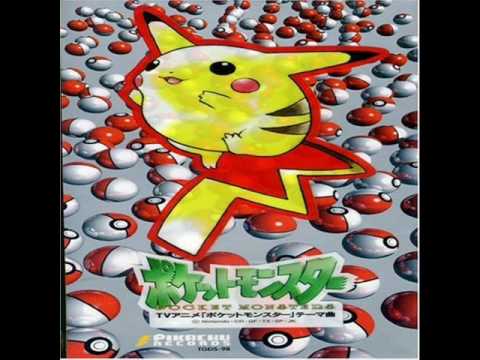
The legendary opening theme of the smash-hit game series Pokémon.
The phrase “under that girl’s skirt” subtly resonates with adolescent boys.
Those who watched it in real time back then can probably still hum it even now as adults! It’s no exaggeration to say it established the gold standard for anime songs.
Like a white cloudsaruganseki
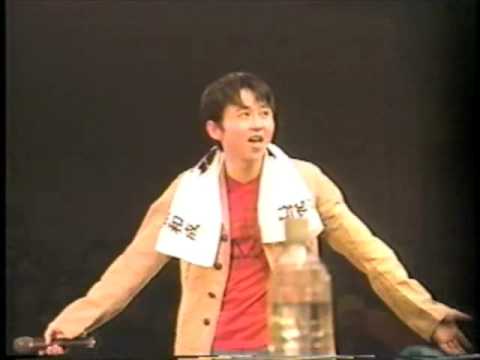
A song released in December 1996 by the comedy duo Saruganseki.
Although it wasn’t a tie-in with the popular variety show Denpa Shonen, it came to fruition after the completion of their Eurasian continent hitchhiking project at the producer’s suggestion.
Perhaps influenced by the hitchhiking journey, it’s characterized by a grand yet gentle worldview and melody.
BURNTHE YELLOW MONKEY

In July 1997, a song by THE YELLOW MONKEY that radiates burning passion was released.
This work sings of the strength to face forward, overcoming pain and inner conflict.
Kazuya Yoshii’s powerful vocals and the band’s compelling sound resonate deeply.
Chosen as the theme song for the TBS drama “Shokuinshitsu” (The Staff Room), it achieved the band’s highest monthly ranking of No.
3 on the Oricon charts.
It’s also a fan favorite that consistently places high in fan polls.
Perfect for when you’re feeling down or ready to try again—listen to this track, and you’ll surely find new courage welling up inside.
Hit Japanese songs representing 1997. Recommended classics (21–30)
GlassKawamura Ryuuichi

This is the second single released as a solo artist after LUNA SEA went on hiatus.
It became the first million-selling hit, including the band era.
It showcases a different side, emphasizing a distinct individuality as a singer unlike during the band days.