

Hit Japanese songs that represent 1997. Recommended masterpieces.

Masayoshi Yamazaki, GLAY, Mr.
Children, THE YELLOW MONKEY, L’Arc-en-Ciel, Namie Amuro, SPEED…
From the many classic songs that lit up the J-POP charts in 1997, we’ve selected hit tracks recommended by our studio staff.
It’s a nostalgic J-POP playlist that still shines vividly today.
- [1998 Japanese Hit Songs] A roundup of timeless classics that still live on in people’s memories!
- [Hit Songs of 1996] Spotlight on the iconic tracks and popular tunes that colored the Heisei era!
- 1990s J-Pop to listen to in summer: classic and hit summer songs
- Japanese hit songs from 1990. Recommended masterpieces and popular tracks
- Ranking of Popular Songs by Japanese Male Singers from the 1990s [2026]
- Iconic and hit songs by Johnny’s from the 1990s
- A must-see for people in their 30s and 40s! A roundup of nostalgic 1990s commercial jingles
- Hit Japanese songs from 1993: recommended classics and popular tracks
- [J-Rock] Timeless masterpieces that colored the 1990s. Nostalgic hit songs.
- Winter songs in 90s J-pop: a roundup of popular winter tunes
- Hit J-Pop songs of 2007: the appeal of hit tracks that exude a positive vibe
- [1995 Hit Songs] Masterpieces of Japanese music that colored the Heisei 7 (1995) music scene
- [Heisei Retro] Hit Japanese songs that defined the 1990s. Recommended J-POP classics.
Hit Japanese songs representing 1997. Recommended classics (41–50)
LOVE IS ALL MUSICKahara Tomomi

A rock ballad produced by Tetsuya Komuro, this gem weaves a beautiful melody with Tomomi Kahara’s translucent vocals.
The lyrics portray a woman’s feelings through the night until dawn, and the deeply expressive singing resonates powerfully with listeners.
Released in July 1997, the song—born as Komuro played the piano—is set in 6/8 time, with a mid-song key change that heightens its emotional impact.
It was also featured in the commercial for Ginza Jewelry Maki’s “Estate Twin Jewelry,” where its wistful yet romantic atmosphere perfectly matched the brand.
It’s a piece that will stay close to your heart on nights when your feelings are in turmoil or during quiet moments spent thinking of someone special—a song we earnestly recommend you listen to.
Hit Japanese songs representing 1997. Recommended classics (51–60)
sunflowerNagabuchi Tsuyoshi

A song filled with warmth like sunlight, woven from a powerful singing voice and acoustic guitar.
With themes of hope and renewal, it superbly expresses human strength and kindness, showcasing Tsuyoshi Nagabuchi’s musical maturity.
Released on July 2, 1997, this work was used as the theme song for the TBS drama “Bodyguard” and became his 28th single.
Seamlessly blending folk rock and acoustic rock, the track embodies the essence of Nagabuchi’s musicality.
It is truly a sun-like song that stands beside those who are troubled at heart and those who are about to take a new step forward.
Refrain of SoulsTakahashi Yoko

It’s the theme song for the 1997 animated film “Neon Genesis Evangelion: Death & Rebirth.” The song’s theme is “a return to the womb,” which I think fits this anime perfectly.
Since it’s been covered by various singers and even featured in pachinko machines, quite a few people may have heard it unexpectedly.
A third of pure-hearted feelingsSIAM SHADE

This song became a major hit as the opening theme for the anime Rurouni Kenshin: Meiji Swordsman Romantic Story and is one of SIAM SHADE’s signature tracks.
It’s a straightforward, powerful piece that sings about clumsy yet honest feelings of love.
It has remained popular over the years and has been covered by many artists.
Let’s dance in a circle (Wasshoi)V6
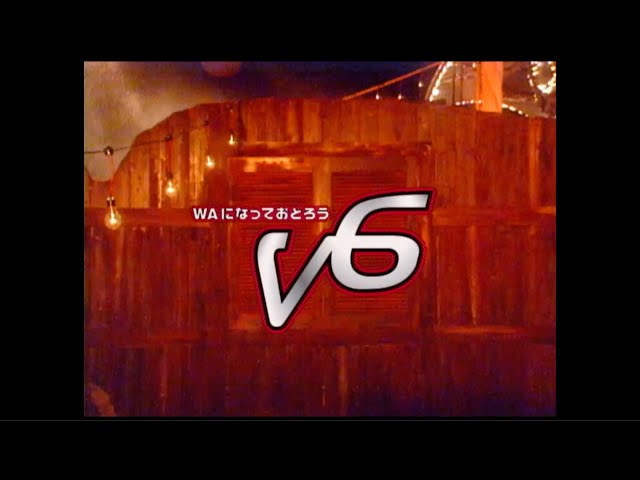
Hugely popular across a wide range of generations.
This is a song covered by V6 that originally aired on the NHK TV program “Minna no Uta” in 1997.
When it was broadcast on NHK at the time, it debuted as a new song for April–May, but it received an overwhelming number of requests and became such a big hit that it was re-aired in August–September.
Theme of Eccentric Boy BowieEkusentorikku Shōnen Bōui Ōru Sutāzu

This is the theme song of a unit that was born from a segment of the hugely popular comedy sketch show at the time, “Downtown no Gottsu Ee Kanji.” The song is styled with a tokusatsu hero vibe, but its lyrics retain the playful feel characteristic of a sketch comedy show.
CAN YOU CELEBRATE?Amuro Namie

A song by Namie Amuro that ranked No.
1 for the month of March 1997, No.
1 for the year, and went on to sell over 500,000 copies the following year as well.
It remains very popular today and is frequently used at weddings.
The video features a newly recorded vocal for her 5th best album, “Ballada,” and a collaboration with Taro Hakase, well known from the TV program “Jounetsu Tairiku.”