

Hit Japanese songs that represent 1997. Recommended masterpieces.

Masayoshi Yamazaki, GLAY, Mr.
Children, THE YELLOW MONKEY, L’Arc-en-Ciel, Namie Amuro, SPEED…
From the many classic songs that lit up the J-POP charts in 1997, we’ve selected hit tracks recommended by our studio staff.
It’s a nostalgic J-POP playlist that still shines vividly today.
- [1998 Japanese Hit Songs] A roundup of timeless classics that still live on in people’s memories!
- [Hit Songs of 1996] Spotlight on the iconic tracks and popular tunes that colored the Heisei era!
- 1990s J-Pop to listen to in summer: classic and hit summer songs
- Japanese hit songs from 1990. Recommended masterpieces and popular tracks
- Ranking of Popular Songs by Japanese Male Singers from the 1990s [2026]
- Iconic and hit songs by Johnny’s from the 1990s
- A must-see for people in their 30s and 40s! A roundup of nostalgic 1990s commercial jingles
- Hit Japanese songs from 1993: recommended classics and popular tracks
- [J-Rock] Timeless masterpieces that colored the 1990s. Nostalgic hit songs.
- Winter songs in 90s J-pop: a roundup of popular winter tunes
- Hit J-Pop songs of 2007: the appeal of hit tracks that exude a positive vibe
- [1995 Hit Songs] Masterpieces of Japanese music that colored the Heisei 7 (1995) music scene
- [Heisei Retro] Hit Japanese songs that defined the 1990s. Recommended J-POP classics.
Hit Japanese songs representing 1997. Recommended classics (41–50)
PRIDEImai Miki

It reached No.
1 for the week, No.
1 for December, and No.
6 for the year 1997, achieving million-seller status.
It is Miki Imai’s 12th single and her biggest hit.
It is said to be performed at every one of her concerts.
It was the theme song for the Fuji TV drama “Doc.”
The Other Side of LoveSakamoto Ryuichi featuring Sister M

This song is striking for its beautiful harmony woven from a translucent singing voice and a refined melody.
Crafted entirely in English lyrics by Ryuichi Sakamoto, it gracefully expresses universal themes that pursue the essence and truth of love.
This miraculous father–daughter collaboration was released as a single in January 1997 and drew attention as the theme song for the Nippon TV drama “Stalker: A Love Untouchable.” It reached No.
6 on the Oricon weekly chart and achieved an astounding sales figure of approximately 720,000 copies.
This work is a quiet, moving masterpiece in which a tender, heart-piercing vocal blends perfectly with a sound that is both delicate and powerful.
Highly recommended as a gemlike, healing ballad you’ll want to listen to alone on a calm night.
Rondo – revolutionOkui Masami

It is the opening theme song of the anime Revolutionary Girl Utena and also Masami Okui’s milestone 10th single.
The lyrics are sprinkled with words that align with the work’s worldview, effectively capturing the anime’s distinctive qualities.
It has been covered by many artists; for example, it was included on Minori Chihara’s 15th anniversary debut tribute album, indicating that the song remains popular even today.
honest / frank / straightforwardMakihara Noriyuki

A piano tone that gently cradles delicate emotions, staying close to the heart.
This exquisite ballad, woven by Noriyuki Makihara’s voice, portrays both the difficulty and importance of expressing honest feelings.
Released in 2000, the song also drew attention as his first single after moving to Sony.
With the new challenge of a solo piano-and-vocal performance, Makihara’s charm is showcased to the fullest.
It’s a perfect track for those struggling with their relationships or unable to openly convey their feelings to someone important.
Each listen offers a warm prompt to face your own emotions and connect with them more sincerely.
ENDLESS SUMMER NUDEMagokoro Burazāzu

The beloved masterpiece by Magokoro Brothers, vividly capturing the summer of youth, was released in July 1997.
Its beautiful melody and lyrics, portraying the bittersweet end of summer and memories with a lover, moved countless listeners.
The song is included on the album “I will Survive” and was also used as an insert song in the Tokyo Theatres–distributed film “Osaka Monogatari.” The arrangement, which blends programming and live performance by CHOKKAKU, features accomplished musicians such as Toshio Araki and Yoichi Murata, with additional color added by Yoko Utsumi’s chorus.
It’s a heartwarming track we especially recommend to those who want to bask in summer memories or soothe a heart swayed by love.
Princess MononokeMera Yoshikazu

Theme song of the animated film Princess Mononoke.
Bolstered by the film’s record-breaking box-office success in Japan at the time, it became a major hit, selling over 400,000 copies despite peaking at only No.
13 on the Oricon charts.
The song brought attention to the countertenor—a male singer with a high, female-like voice—and YOSHIKAZU MERA, who sings Princess Mononoke, became widely known!
Love SomebodyOda Yūji
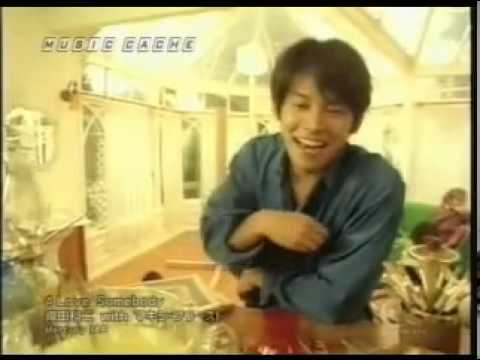
This is Yuji Oda’s 13th single.
It’s a signature song that became a major hit after being used as the theme for the drama “Bayside Shakedown.” Different arrangements were released around the time of the drama’s film releases, so I imagine many people had frequent chances to hear it.
The track has a very light and cheerful feel.