


Masayoshi Yamazaki, GLAY, Mr.
Children, THE YELLOW MONKEY, L’Arc-en-Ciel, Namie Amuro, SPEED…
From the many classic songs that lit up the J-POP charts in 1997, we’ve selected hit tracks recommended by our studio staff.
It’s a nostalgic J-POP playlist that still shines vividly today.
- [1998 Japanese Hit Songs] A roundup of timeless classics that still live on in people’s memories!
- [Hit Songs of 1996] Spotlight on the iconic tracks and popular tunes that colored the Heisei era!
- 1990s J-Pop to listen to in summer: classic and hit summer songs
- Japanese hit songs from 1990. Recommended masterpieces and popular tracks
- Ranking of Popular Songs by Japanese Male Singers from the 1990s [2026]
- Iconic and hit songs by Johnny’s from the 1990s
- A must-see for people in their 30s and 40s! A roundup of nostalgic 1990s commercial jingles
- Hit Japanese songs from 1993: recommended classics and popular tracks
- [J-Rock] Timeless masterpieces that colored the 1990s. Nostalgic hit songs.
- Winter songs in 90s J-pop: a roundup of popular winter tunes
- Hit J-Pop songs of 2007: the appeal of hit tracks that exude a positive vibe
- [1995 Hit Songs] Masterpieces of Japanese music that colored the Heisei 7 (1995) music scene
- [Heisei Retro] Hit Japanese songs that defined the 1990s. Recommended J-POP classics.
Representative Japanese hit songs of 1997. Recommended masterpieces (1–10)
Like tonight’s moonElefanto Kashimashi
A signature song by Elephant Kashimashi that ranked 9th on the Oricon monthly chart for September 1997 and 81st on the year-end chart.
Its charm lies in the acoustic guitar, unadorned lyrics, and sincere vocals.
It served as the theme song for the drama “Because the Moon Shines at Night,” and has also been featured in commercials and covered by many artists.
Et cetera related to the seashorePUFFY

PUFFY’s fourth single came out during a streak of million-selling hits.
With lyrics by Yosui Inoue and music by Tamio Okuda, it was created by an all-star team—and of course, this song also became a million-seller.
It has a calm yet cheerful vibe, like heading out for a day at the beach.
There are plenty of other points worth noting, but the phrase “Let’s go eat crab” somehow sticks in your head.
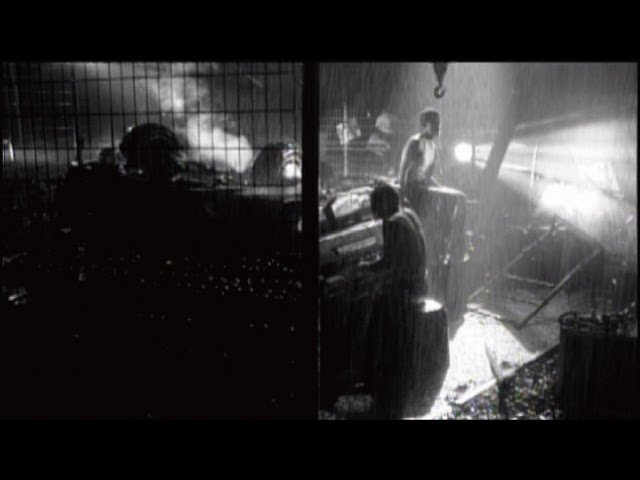
CallingB’z
Ranked weekly No.
1, monthly No.
2 in July, and monthly No.
10 in August, it stayed in the Top 10 for two months and placed No.
16 for the year.
This is B’z’s 22nd single, which became their 14th million-selling release.
Serving as the theme song for the TV Asahi drama Glass Mask, the track was actually created by fusing two different songs, resulting in two distinct choruses.
HOWEVERGLAY
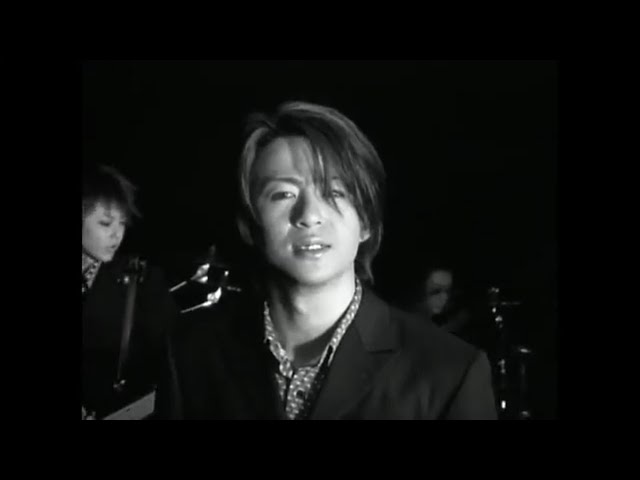
GLAY’s first million-selling single, which reached No.
1 for a week (two weeks in a row, three weeks in a row, and five weeks in total) and ranked No.
1 for September and No.
9 for the year.
Although it initially had no tie-in, it was later used for the TBS drama “Ryodatsuai: Abunai Onna.” Following this single, they achieved five consecutive million-selling releases, but apparently this song itself was initially very poorly received by the band members.
White LoveSPEED

SPEED’s 5th single, which reached No.
1 for the week, No.
1 for November, and No.
10 for the year.
It was a massive hit with cumulative sales reaching 2 million copies.
It was used in Shiseido’s “Tessera Angel Drop” commercial, and for two consecutive years they led the Red Team at Kohaku with this song.
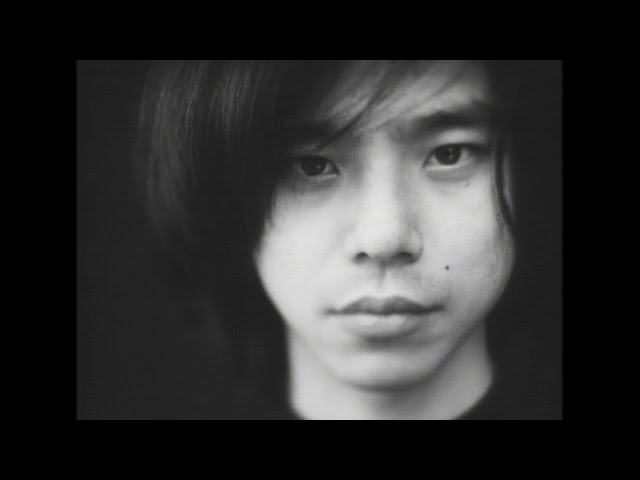
One more time, One more chanceYamazaki Masayoshi

This is one of Masayoshi Yamazaki’s signature songs, which became a hit as the theme song for the film “The Moon and a Cabbage.” In 2007, it was used again as the theme song for the animated film “5 Centimeters per Second,” bringing it back into the spotlight.
It’s a very quiet and heartrending piece that evokes the image of someone unconsciously searching for a distant lover.
Ballad of a SingerSaitō Kazuyoshi

A timeless ballad by Kazuyoshi Saito that transcends generations.
Within its relaxed tempo, it turns straightforward feelings into lyrics with natural expression—a poignant masterpiece that stirs the emotions.
Covered by many artists and cherished by renowned musicians who speak passionately about it, the song enjoys enduring popularity among even the most prominent performers.