

Hit Japanese songs of 2004: recommended classics and popular tracks

Mr.
Children, Kishidan, Ken Hirai, Ayaka Hirahara, Hikaru Utada, Tokyo Jihen…
From the many classic and popular songs that colored the J-POP hit charts of 2004 (Heisei 16), our studio staff has selected recommended hits.
A playlist that still doesn’t fade with time—one that represents the Heisei era.
- Hit J-pop songs of 2005. Recommended masterpieces and popular tracks.
- [Hit Songs of 2010] A Roundup of Nostalgic Japanese Tracks!
- Hit Japanese songs of 2006. Recommended masterpieces and popular tracks.
- [Heisei Songs] Classic hits from the Heisei era that are popular on Instagram Reels
- Hit J-Pop songs of 2014: recommended classics and popular tracks
- Hit J-Pop songs of 2008: recommended masterpieces and popular tracks
- Cool songs of the Heisei era. Hit tracks that energized the times.
- 2003 J-Pop hit songs special: the golden age of music when diversity blossomed
- 2000s Japanese Hits | Unforgettable Once You Hear Them! Exquisite Masterpieces
- Heisei-era masterpieces. Hit songs that represent the Heisei period.
- [Japanese Music] Masterpieces of 2000s Pop: A roundup of hit songs from 00s J-POP
- An energizing song that was a hit in the 2000s—a classic that gives you strength.
- All big hits! A roundup of classic J‑Pop songs that were popular in 2000
Female Artists (11–20)
Come, spring.Matsutōya Yumi

A masterwork by Yumi Matsutoya that delicately portrays the longing for spring.
Released in October 1994 as the theme song for an NHK morning drama series, it became a major hit, reaching No.
1 on the Oricon weekly chart.
Its emotionally rich melody—woven from nostalgia for days gone by and anticipation of a new season—resonates deeply with listeners.
More than just a seasonal song, it embraces universal themes of renewal and hope, and has been featured in commercials for Suntory’s BOSS Rainbow Mountain Blend and All Nippon Airways.
Cherished by many as a heartwarming number that accompanies life’s milestones and new beginnings in spring, it continues to be beloved today.
Things that have formShibasaki Kou

This is the theme song for the drama version of Crying Out Love, in the Center of the World.
It’s Kou Shibasaki’s 6th single, which debuted at No.
2 on the Oricon chart and ranked No.
6 for the year.
Boosted by the drama’s success, it became a long-running hit and ended up being her second best-selling release after “Tsuki no Shizuku,” which she released under the name RUI.
Apple SongShiina Ringo
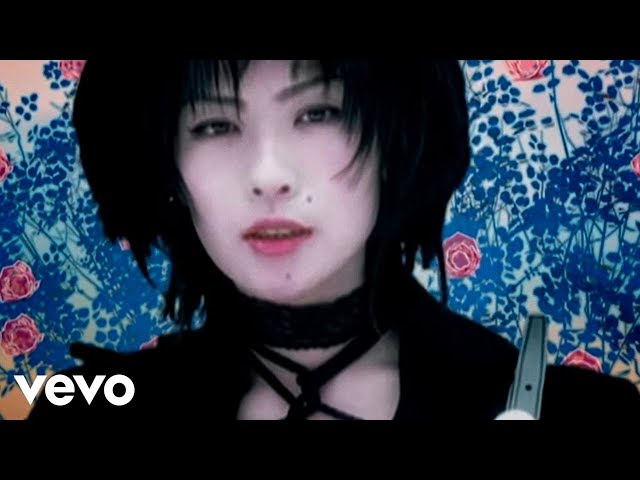
Because this was created at the request of being aired on the program “Minna no Uta,” the arrangement of Shiina Ringo’s 9th single is, in a sense, uncharacteristic of her.
The arrangement differs between the “Minna no Uta” broadcast version and the single cut; the single version includes rolled R’s, while the TV version does not.
In Japan, CDs are generally released on Wednesdays, but this track was released on the preceding Tuesday (November 25), which happens to be Shiina Ringo’s birthday.
INSPIREHamasaki Ayumi

A song Ayumi Hamasaki sings, set to a crisp, tight track with fiery lyrics.
In a word, that’s what this song is.
The lyrics feel like a rousing pep talk to the world today—giving listeners a sharp pat on the back and pushing them forward with a kind, powerful force.
ReasonTamaki Nami

This is Nami Tamaki’s sixth single.
It’s the ending theme for the anime Mobile Suit Gundam SEED DESTINY and marks her third tie-in with the Gundam SEED series.
It’s a powerful song that seems to sing of love and resolve, making it a perfect match for the work.
Hello GoodbyeYU-KI

Released as YUKI’s eighth single, this mid-tempo track, true to its title “Hello, Goodbye,” portrays human relationships.
It reminds us that even in our ordinary days, there are in fact many different encounters.
Female artist (21–30)
kaleidoscopeAikawa Nanase
This is Nanase Aikawa’s 26th single.
It’s a song that seems to depict hearts swaying and being drawn to each other, like a kaleidoscope where colors and moods keep changing.
The musical style features a relaxed rhythm with a very danceable melody.