

Hit Japanese songs of 2004: recommended classics and popular tracks

Mr.
Children, Kishidan, Ken Hirai, Ayaka Hirahara, Hikaru Utada, Tokyo Jihen…
From the many classic and popular songs that colored the J-POP hit charts of 2004 (Heisei 16), our studio staff has selected recommended hits.
A playlist that still doesn’t fade with time—one that represents the Heisei era.
- Hit J-pop songs of 2005. Recommended masterpieces and popular tracks.
- [Hit Songs of 2010] A Roundup of Nostalgic Japanese Tracks!
- Hit Japanese songs of 2006. Recommended masterpieces and popular tracks.
- [Heisei Songs] Classic hits from the Heisei era that are popular on Instagram Reels
- Hit J-Pop songs of 2014: recommended classics and popular tracks
- Hit J-Pop songs of 2008: recommended masterpieces and popular tracks
- Cool songs of the Heisei era. Hit tracks that energized the times.
- 2003 J-Pop hit songs special: the golden age of music when diversity blossomed
- 2000s Japanese Hits | Unforgettable Once You Hear Them! Exquisite Masterpieces
- Heisei-era masterpieces. Hit songs that represent the Heisei period.
- [Japanese Music] Masterpieces of 2000s Pop: A roundup of hit songs from 00s J-POP
- An energizing song that was a hit in the 2000s—a classic that gives you strength.
- All big hits! A roundup of classic J‑Pop songs that were popular in 2000
Male artists (1–10)
SignMr.Children
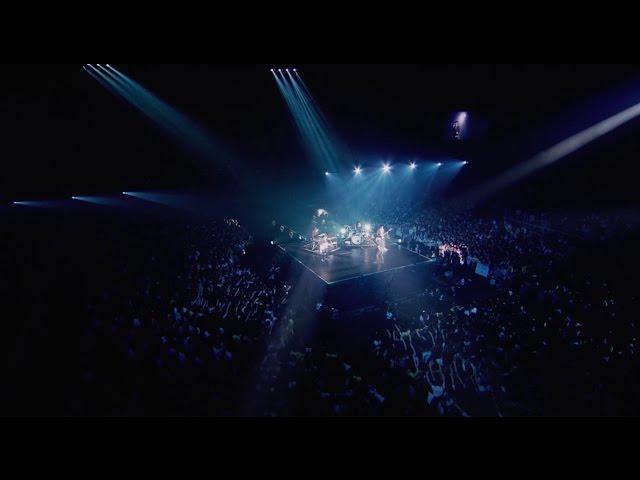
As the theme song for the TBS drama “Orange Days,” this piece was written after reading the script, so its content is closely tied to the drama.
Nevertheless, it remains a quintessential Mr.
Children work reminiscent of their earlier album “Shifuku no Oto.” With this song, the band won the Japan Record Award for the second time, their first since “innocent world.”
Messenger from Sunday↑THE HIGH-LOWS↓

In terms of name recognition, this could be considered The High-Lows’ signature song.
Originally, it was a track on their first album in 1995 and the B-side of their third single, but it was rearranged and released as their 22nd single after being chosen as the theme song for the film Zebraman.
It’s a simple, lively, and very refreshing tune.
Stargazersupittsu

This is Spitz’s 28th single, released about a year and five months after their previous one.
The song was also used as the theme for Fuji TV’s “Ainori,” and there’s an anecdote that vocalist Masamune Kusano wrote the lyrics after watching the show, so it can be considered a piece created for the program.
It’s a refreshing track that also carries a touch of melancholy.
SisterPorunogurafiti

This is Porno Graffitti’s first single after bassist Tama left, and their 15th single overall.
Despite having no tie-in, it reached No.
2 on the weekly chart and No.
34 on the year-end chart.
The song puts a strong emphasis on poignancy and, unusually, features no guitar solo.
The music video is said to have been shot at the same location as Music Hour, which has a completely opposite image.
READY STRADY GOL’Arc〜en〜Ciel

This is L’Arc-en-Ciel’s 22nd single, “READY STEADY GO.” This song, which was also used as the opening theme for the anime Fullmetal Alchemist, is popular across a wide range of age groups even among L’Arc-en-Ciel’s catalog.
The B-side of this single includes versions of the same track with each member’s part removed, which is said to carry a message fitting for their first single after resuming activities: that if any one part is missing, it no longer constitutes L’Arc’s sound.
ArueBUMP OF CHICKEN

This is BUMP OF CHICKEN’s seventh single, and its title was taken from Evangelion’s Rei Ayanami by using her initials, R.A.
The lyrics contain many words that likely refer to Rei Ayanami, such as a girl who looks good in a white blouse, bandages, and a blue skirt.
GO !!!FLOW

FLOW’s first anime tie-in song.
Chosen as the opening theme for the anime NARUTO, it became such a huge hit that it’s considered one of NARUTO’s signature tracks! It’s still sung at karaoke and is a song everyone can get hyped to together.