

Hit Japanese songs of 2004: recommended classics and popular tracks

Mr.
Children, Kishidan, Ken Hirai, Ayaka Hirahara, Hikaru Utada, Tokyo Jihen…
From the many classic and popular songs that colored the J-POP hit charts of 2004 (Heisei 16), our studio staff has selected recommended hits.
A playlist that still doesn’t fade with time—one that represents the Heisei era.
- Hit J-pop songs of 2005. Recommended masterpieces and popular tracks.
- [Hit Songs of 2010] A Roundup of Nostalgic Japanese Tracks!
- Hit Japanese songs of 2006. Recommended masterpieces and popular tracks.
- [Heisei Songs] Classic hits from the Heisei era that are popular on Instagram Reels
- Hit J-Pop songs of 2014: recommended classics and popular tracks
- Hit J-Pop songs of 2008: recommended masterpieces and popular tracks
- Cool songs of the Heisei era. Hit tracks that energized the times.
- 2000s Japanese Hits | Unforgettable Once You Hear Them! Exquisite Masterpieces
- Heisei-era masterpieces. Hit songs that represent the Heisei period.
- [Japanese Music] Masterpieces of 2000s Pop: A roundup of hit songs from 00s J-POP
- 2003 J-Pop hit songs special: the golden age of music when diversity blossomed
- An energizing song that was a hit in the 2000s—a classic that gives you strength.
- All big hits! A roundup of classic J‑Pop songs that were popular in 2000
Male artist (21–30)
cherry blossomKawaguchi Kyogo
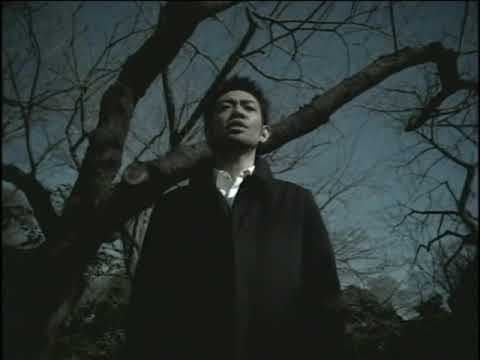
This is Kyo-go Kawaguchi’s 6th single, which won the Wired Music Award at the 36th Japan Cable Radio Awards.
For those who remember that time, isn’t this the song most associated with Kyo-go Kawaguchi? It became his biggest hit, reaching No.
4 on the Oricon weekly chart and No.
9 on the year-end chart.
Rainbow ~Another Summer~Fukuyama Masaharu

Following “Niji,” the same song—retitled “Niji: Another Summer” and arranged differently from the single version—was used again as the theme song for the re-broadcast of WATER BOYS 2.
Multiple alternate arrangements and instrumental versions of “Niji” are included.
On the Oricon charts, while it didn’t surpass the original “Niji,” it reached No.
4 on the weekly chart and No.
81 on the year-end chart.
WonderlandInaba Hiroshi

It was born from a kind of question Inaba had while watching a TV special he hosted that featured “hikikomori.” Seeing people around a hikikomori patient desperately trying to force them outside, he wondered, “Does that act really benefit either the person themselves or the other party?”
Song of JoyMONGOL800

In its second week after release, this signature song by MONGOL800 became the first indie single in history to reach No.
1, selling over 200,000 copies.
Releasing it as an 8 cm single—already out of common use by then—was an unusual move at the time.
Incidentally, while the title of the work is “Yorokobi no Uta,” the first track on the CD is a song called “Fuyu no Omoide.”
RewriteASIAN KUNG-FU GENERATION

The opening theme for season 4 of the anime Fullmetal Alchemist.
It’s one of their most famous songs, and I think many anime fans are familiar with it.
It captures the rock vibe of that era and is really cool.
Blue JeanGLAY

This is GLAY’s 31st single.
It was also used in a beauty salon commercial.
It’s a song full of refreshing vibes that let you feel the summer air; in the music video they’re driving along the seaside, and the scene fits the mood perfectly.
It’s a straightforward song that seems to sing about a summer romance.
The One and Only Flower in the WorldSMAP

Released in 2003, this signature SMAP track continued to sell well into 2004, reaching 11th place on the Oricon year-end chart for that year.
Achieving SMAP’s first double million in sales, the song was initially released as an album track and gained explosive popularity when it was used as the theme song for a drama starring SMAP members.