

[2026] Masterpieces that sing of Hokkaido: the heart of a beloved homeland passed down in song


Hokkaido, a land surrounded by grand, beautiful, and sometimes harsh nature, has often been featured as the setting in songs—especially kayōkyoku and enka—from the Showa era to the present day.
Artists and bands from Hokkaido sometimes write songs about their own hometown, and there are countless masterpieces themed around the northern land.
This time, we’ll introduce a selection of songs connected to Hokkaido, regardless of genre or era.
From famous hits to hidden gems, give them a listen while picturing the scenery of Hokkaido!
- [Folk and Children's Songs of Hokkaido] Songs of Hokkaido that continue to be loved across generations
- [Local Songs] Recommended tracks packed with Japan’s nationwide classics and hometown pride
- A roundup of regional enka songs: classic hits that feature places from all across Japan in their lyrics.
- [Hometown Songs] A curated selection of popular Japanese tracks that fill your heart with nostalgia
- [Song of Osaka] A selection of passionate, warm-hearted Osaka tunes
- [Songs of Aomori] A collection of local songs depicting the grandeur of nature and the warmth of its people.
- Chiba Songs: A comprehensive introduction, from famous tunes filled with hometown love to local theme songs
- [2026] Enka Spring Songs to Savor: A Collection of Classic Enka That Evokes the Japanese Spring
- [Japanese School Anthems] A Hot Topic at Koshien! From Beautiful Anthems to Unique Ones, All Introduced at Once
- Winter songs you'll want to listen to in the cold season! Recommended for the yutori generation
- [For Seniors] Heartwarming Winter Classics: A Cozy Moment with Nostalgic Kayōkyoku and Traditional Songs
- A classic song that sings of Nagasaki: the enduring heart of our hometown
- [2026] A Collection of Classic Enka Songs Depicting Winter Scenery
2026: Classic songs about Hokkaido — the enduring heart of our homeland (1–10)
North TavernHosokawa Takashi
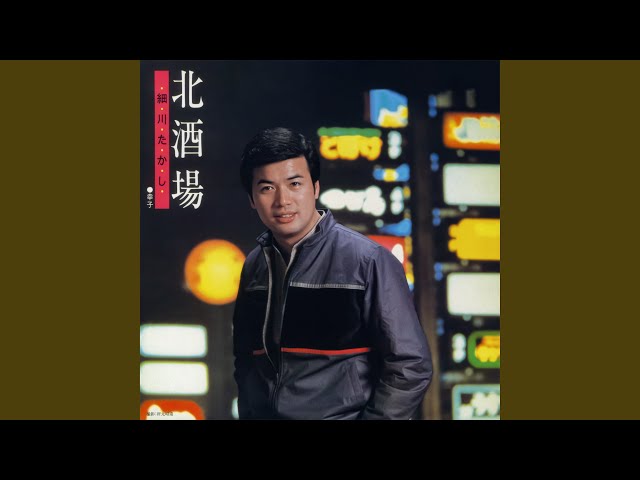
Takashi Hosokawa is an enka singer from Makkari Village in Abuta District, Hokkaido.
Before moving to Tokyo, he performed mainly at clubs in Susukino, Sapporo, and because his style resembled that of singer Shinichi Mori, he was called “Sapporo’s Shinichi Mori.” Hosokawa’s song Kitazakaba (Northern Tavern) is an essential Hokkaido tune.
Released in 1982, this classic depicts a love story set in a chilly northern bar.
The song earned him his first Japan Record Award at the 24th ceremony.
Its warm, catchy melody will have you humming along before you know it.
Be sure to enjoy it as your nighttime companion when you travel to Hokkaido!

North AirportKatsura Ginshuku, Hama Keisuke

Set against the vast landscapes of Hokkaido, this gem of a duet was released in 1987.
With emotionally rich vocals by Ginshū Katsura and Keisuke Hama, it delicately yet powerfully portrays a man and woman’s parting and reunion at Sapporo’s airport.
Its wistful melody and warm singing blend into an exquisite harmony, earning high marks on the Oricon charts and winning a planning award.
The song also secured a spot on NHK’s Kōhaku Uta Gassen, gaining nationwide recognition.
It’s a perfect track to accompany winter travels in Hokkaido or to savor memories of parting and reunion with someone dear.
Listened to in the season of departures, it becomes a masterpiece that resonates deeply in the heart.
Ishikari ElegyKitahara Mirei

The enka singer Mirei Kitahara’s “Ishikari Banka” is her eighth single, released in 1975.
Created in collaboration with the renowned lyricist Rei Nakanishi, the song is based on his own experiences and is set against the backdrop of herring fishing in Ishikari Bay in northwestern Hokkaido.
Nakanishi’s feelings at the time are reflected in the delicate emotions of a woman who stands by a man dreaming of striking it rich through the herring catch.
This song, which expresses poignant sorrow and helplessness, is now carried on and performed by many enka singers.
[2026] Masterpieces that sing of Hokkaido: The enduring heart of our homeland (11–20)
Shiretoko Ryojo (Shiretoko Travel Sentiment)Morishige Hisaya

Shiretoko Journeys (Shiretoko Ryojō) is a song by Hisaya Morishige, who was active as an actor, voice actor, comedian, and former NHK announcer.
It’s a piece that reflects on Shiretoko, located in eastern Hokkaido and designated as a World Heritage site.
The song was composed during his extended stay in Rausu Village on the Shiretoko Peninsula while filming To Live at the Ends of the Earth, a movie set in Shiretoko in which he also appeared.
Separate from this, there is another work titled Okhotsk Boat Song, which sings of Shiretoko’s harsh cold and served as the original song for Shiretoko Journeys.
Both pieces allow listeners to experience the profound history of Shiretoko.
Wakkanai BluesHara Mitsuru to Shaneru Faibu

Released in July 1971, this song is set in Wakkanai, the northernmost city in Hokkaido, and vividly portrays the grandeur of nature and the lives of its people.
Performed by Mitsuru Hara and Chanel Five, it’s a heartwarming piece where melodic choral work and band sound blend beautifully.
As their debut single, it carved out a unique presence in the music scene of the time.
Also included on the acclaimed album “Chanel Five in Sapporo,” the track masterfully expresses the landscapes of Japan’s northern frontier through music.
Embracing the scenic vistas of Wakkanai and the rhythms of everyday life, it’s recommended for those who want to reflect on Hokkaido’s majestic nature and local culture.
It also makes for a comfortable driving tune—perfect as BGM for a trip through Hokkaido.
Today’s soupOizumi Yo with STARDUST REVUE

Born from a popular program on AIR-G’ radio, this gem of a song gently portrays everyday life in Hokkaido.
Yo Oizumi wrote the lyrics, with Kaname Nemoto of Stardust Revue composing the music.
Wrapped in a warm melody, it beautifully captures Hokkaido’s winter scenery and daily living.
Released in January 2004 as a Hokkaido-only edition and nationwide in March of the same year, the song also led to an appearance on TV Asahi’s Music Station.
It reached a peak position of No.
10 on the Oricon chart and resonated with listeners for 14 weeks.
This J-pop track, filled with a heartfelt longing for one’s hometown, is perfect not only for those from Hokkaido but for anyone who wants to enjoy music in a calm, peaceful mood.
Why not spend a heartwarming moment accompanied by the gentle sounds of an acoustic guitar?
Hokkaido for Twokantorī musume.

This song features a pastoral country sound that evokes the vast landscapes of Hokkaido, paired with a warm, nostalgic melody.
It richly conveys encounters with the majestic northern nature and its unpretentious people, beautifully depicting scenery unique to Hokkaido and the changing seasons.
The acoustic instrumentation makes full use of Country Musume’s individuality, and the members’ clear, translucent vocals resonate deeply.
Released as a single in July 2000, it was featured at Hokkaido events and on TV programs, and was also used in local promotional activities, making it a memorable track.
For those from Hokkaido living away from home, as well as people across Japan who long for the great northern land, it will surely bring a heartwarming moment.