

[2026] Masterpieces Themed on Ibaraki: From Local Songs to Municipal Anthems

In Ibaraki Prefecture, magnificent waterscapes stretch from the Pacific Ocean to Lake Kasumigaura, complemented by farm produce nurtured by its nature-rich land and historic townscapes—there are countless captivating elements.
Many songs have been composed to celebrate the wonders of Ibaraki, cherished as a source of pride by its residents.
From municipal anthems to beloved local tunes, music themed around Ibaraki is remarkably diverse.
In this article, we introduce a variety of songs that express Ibaraki in many forms—from simple hometown affection to grand hymns to nature.
You might discover a side of “Ibaraki in music” you’ve never known.
- [2026] Masterpieces Themed on Ibaraki: From Local Songs to Municipal Anthems
- [Local Songs] Recommended tracks packed with Japan’s nationwide classics and hometown pride
- A roundup of artists from Ibaraki Prefecture: rock bands, singers, and rappers too!
- Chiba Songs: A comprehensive introduction, from famous tunes filled with hometown love to local theme songs
- [Songs of Saitama] A Wealth of Humor-Filled Classics! Local Anthems Packed with Love for Saitama
- Miyagi Songs: Popular tracks that celebrate famous sights and specialties, and timeless pieces filled with love for home
- [Songs of Fukushima] Thinking of my hometown | A heartwarming collection of classic songs celebrating the beautiful “Fukushima”
- [Songs of Gunma] Exquisite masterpieces that sing of Gunma’s nature and the spirit of its people
- Classic Songs About Nara: Local Anthems and Popular Hits [2026]
- [2026] Classic songs themed on Kochi: A roundup of local songs and municipal anthems
- [2026] Masterpieces themed on Ehime: from local songs to municipal anthems
- A roundup of regional enka songs: classic hits that feature places from all across Japan in their lyrics.
- Introducing famous songs about Shizuoka: Local anthems and popular tracks [2026]
[2026] Masterpieces themed around Ibaraki: From local songs to municipal anthems (1–10)
For a wonderful tomorrowSakushi: Akimoto Yasushi / Sakkyoku: Gotō Tsugutoshi

This is a local song created to celebrate the birth of Hitachinaka City and to entrust it with hopes for the future.
The lyrics were written by Yasushi Akimoto and the music composed by Tsugutoshi Goto—both hitmakers in the J-pop world—with vocals by the illustrious Minako Honda.
The hopeful lyrics, blessing the start of a new city, resonate deeply.
You can almost picture citizens joining hands and moving toward the future—toward a “wonderful tomorrow.” Honda’s clear, soaring voice feels like a sun brightly illuminating what lies ahead.
The song colors the dance parade of the Hitachinaka Festival and serves as the melody for the city’s time signal, becoming deeply embedded in residents’ daily lives.
It will surely continue to be sung as an important piece that fosters love and pride for the city.
Boatman’s BalladSakushi: Noguchi Ujō / Sakkyoku: Nakayama Shinpei

Sentokuwata (Boatman’s Lament) features lyrics by poet Ujō Noguchi from Kitaibaraki City.
It is a poignant masterpiece that reflects Noguchi’s own wandering life.
The image of a boatman who can only surrender himself to the current is layered with feelings of life’s helplessness and impermanence.
The melancholy scene calls to mind the vast winter waterscapes of Noguchi’s beloved Ibaraki—places like Lake Kasumigaura or the Tone River.
The lyrics, which touch each listener’s heartstrings in their own way, merge with the desolate melody to sink deeply into the listener’s chest.
It is a song that quietly questions the sorrows of life across the ages.
Seal of TearsKatte ni Kankō Kyōkai

This is a local song from Ibaraki Prefecture by the duo “Katteni Kanko Kyokai,” formed by Jun Miura and Hajime Anzai.
The song’s charm lies in its unique idea of comparing the protagonist’s bittersweet feelings of love to Mito Komon’s ‘inrō’ (the seal case).
The poignant sentiment of “needing lies in order to love” is strikingly condensed into the phrase “tears as an inrō.” The lyrics are packed with Ibaraki specialties—like the “greasy sweat of Mount Tsukuba’s toad” and the “strings of Mito natto”—which comically portray the protagonist’s complex state of mind.
It’s a song overflowing with love for Ibaraki, where melancholy and humor blend to perfection.
[2026] Masterpieces themed around Ibaraki: Introducing everything from local songs to city and town anthems (11–20)
Ah, Mito RōshiKitajima Saburō
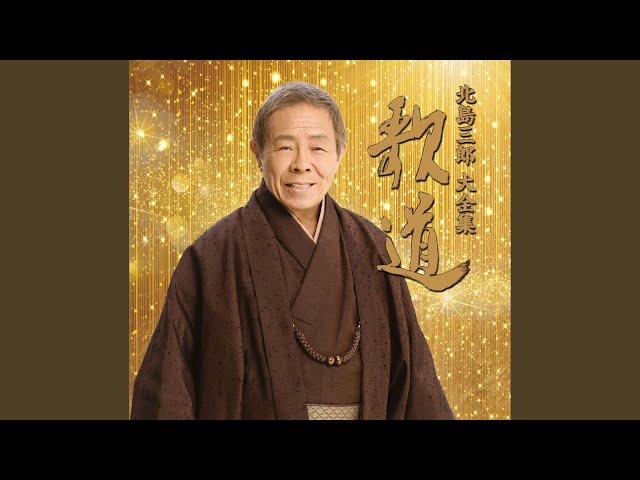
This is a celebrated song that sings of Mito’s history, delivered with the soul-stirring voice of Saburo Kitajima, a giant of the enka world.
The piece takes the late-Edo “Tengu Party Rebellion” as its theme, depicting the grim resolve and pride of the Mito loyalists who rose out of concern for their country.
Kitajima’s powerful yet heartrending vocals feel as if the spirits of those warriors have possessed him.
Listening to his voice, you can vividly picture their arduous journey toward snowy Tsuruga and the fiery convictions they held close to their hearts.
Created to commemorate the sister-city partnership with Tsuruga City in Fukui Prefecture, this song profoundly conveys the spirit of righteousness that lives on in Ibaraki’s history.
It is a weighty work that will captivate anyone who loves historical narratives and refuse to let go.
The Wind of TsukubaMizuki Natsumi

This is a classic enka number overflowing with hometown pride by Natsumi Mizuki, known as an enka singer from Tsukuba City in Ibaraki Prefecture.
Her slightly wistful voice blends beautifully with the scenery of her hometown.
The line repeated at the beginning of the lyrics is especially striking; it likens the harsh winter wind to a nurturing parent, suggesting it as the source of her inner strength as she pursues her dreams.
With Ibaraki’s landscapes—such as Mount Tsukuba and the Kinugawa River—as the backdrop, you can picture a protagonist living with unwavering resolve.
It’s a song filled with pride and gratitude for her hometown, one that’s sure to stir the hearts of Ibaraki residents.
Itako LullabyMiyako Harumi

This is a lyrical song by Harumi Miyako, one of Japan’s leading enka singers, that vividly evokes the scenery of Itako City in Ibaraki Prefecture.
The wistful tones of the shamisen and the unhurried melody are like a boat gliding quietly through the waters of the Itako marshlands.
This song is more than a simple lullaby.
It beautifully weaves together the sorrow of seeing someone off as they depart from the port and the deep maternal love that wishes for the healthy growth of the child held in her arms.
Beneath the gentle refrain of “nen-nen korori” lies a yearning for the one who is leaving and a prayer for the child’s future.
It is a timeless masterpiece that softly awakens in listeners the landscapes of their hometown and warm feelings for their family.
A town with a skySakushi Sakkyoku: Mashiko Tatsurou

This is the official song of Hitachiota City, written by Tatsurou Mashiko—renowned for composing “Hanamizuki”—as a special piece for his hometown.
Its profoundly poetic and beautiful lyrics are a major draw, and simply listening conjures up gentle satoyama scenery: an endlessly spreading blue sky, clear streams where kingfishers dart about.
The universally nostalgic melody is exactly what you’d expect from a hitmaker.
For those living away from home, it will likely rekindle warm memories and spark a sudden longing to return.
A masterpiece that tenderly sings of the bond between people and nature, it quietly stays close to the heart.