

[Did you know?] Fun Trivia Quiz About Health

Do you like those little health trivia bits you see on TV and elsewhere?
There’s so much information out there—what’s true and what’s not? It’s disappointing when something you believed turns out to be incorrect or outdated.
To avoid that, let’s make a habit of learning accurate information.
In this Health Trivia Quiz, we’ve carefully selected some quirky and entertaining questions.
It’s in true/false and multiple-choice formats, so feel free to give it a try.
Have fun while learning fascinating facts and tidbits about health!
- Surprisingly unknown? Health trivia quiz. A multiple-choice (three options) mini knowledge quiz about health.
- Surprisingly unknown? Trivia Quiz [Multiple Choice: 3 Options]
- Get Healthy with Vegetables: Trivia Quiz About Vegetables
- [True or False?] Diet Trivia Quiz
- Little beauty facts you might think you know—but don’t?
- Trivia and fun facts about food (summary)
- [For Seniors] Fun and Informative! Health Trivia Quiz
- A three-choice quiz of useful trivia: a collection of questions you can use in everyday life
- Useful right away in daily life! Surprising trivia and handy tips
- A quiz of fun trivia: bite-sized knowledge that leads to new insights.
- Deepen your knowledge of food! A three-choice trivia quiz
- Fun facts you’ll want to share! January trivia and tidbits special
- [Trick Quiz] Quiz Questions That Excite Everyone from Kids to Adults
Did you know? Fun health trivia quiz (1–10)
Is there a difference in height between morning and night?
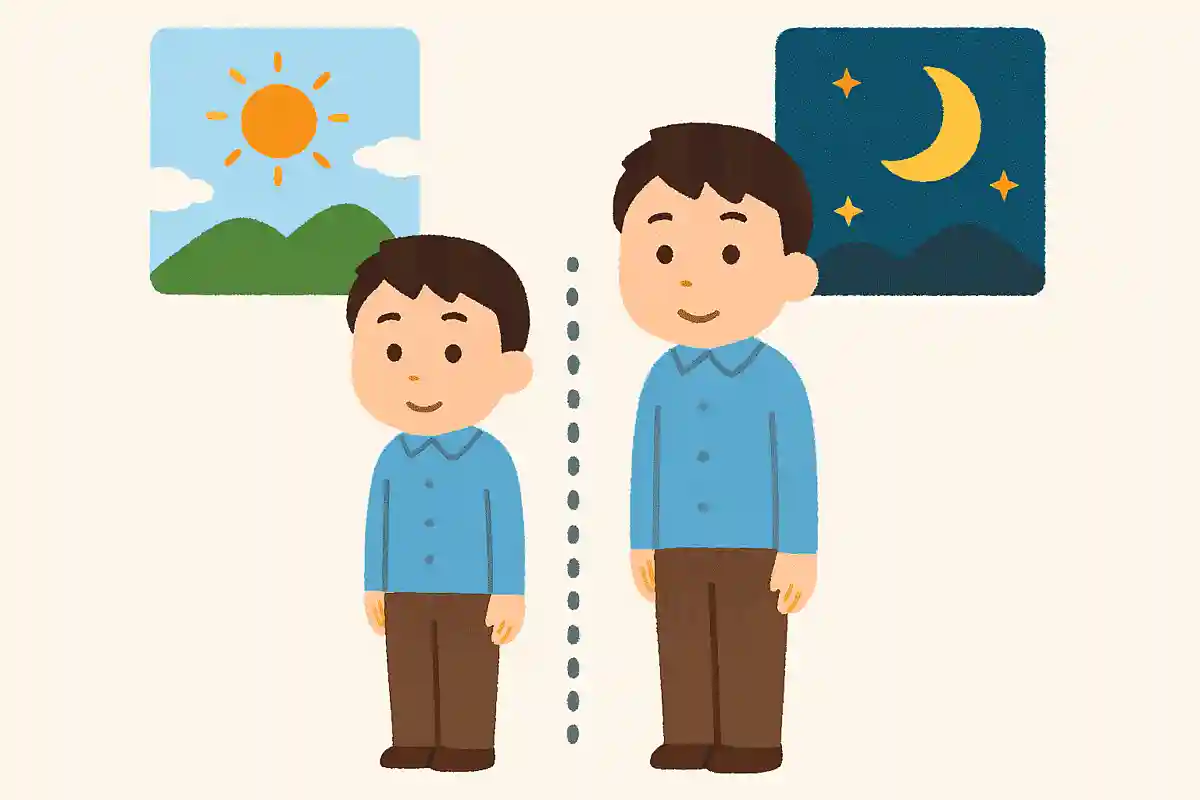
- You’re taller in the morning.
- There is no difference in height between morning and night.
- Height doesn’t change between morning and night, but it becomes taller during the day.
See the answer
You’re taller in the morning.
A person's height fluctuates depending on the amount of water contained in the intervertebral discs, the cushion-like tissues between the vertebrae. While lying down at night, the discs are not compressed and can absorb water more easily, making you tallest when you wake up in the morning. During the day, the effect of gravity on the body compresses the discs and slightly reduces their water content, so it is said that your height becomes a bit shorter by evening.

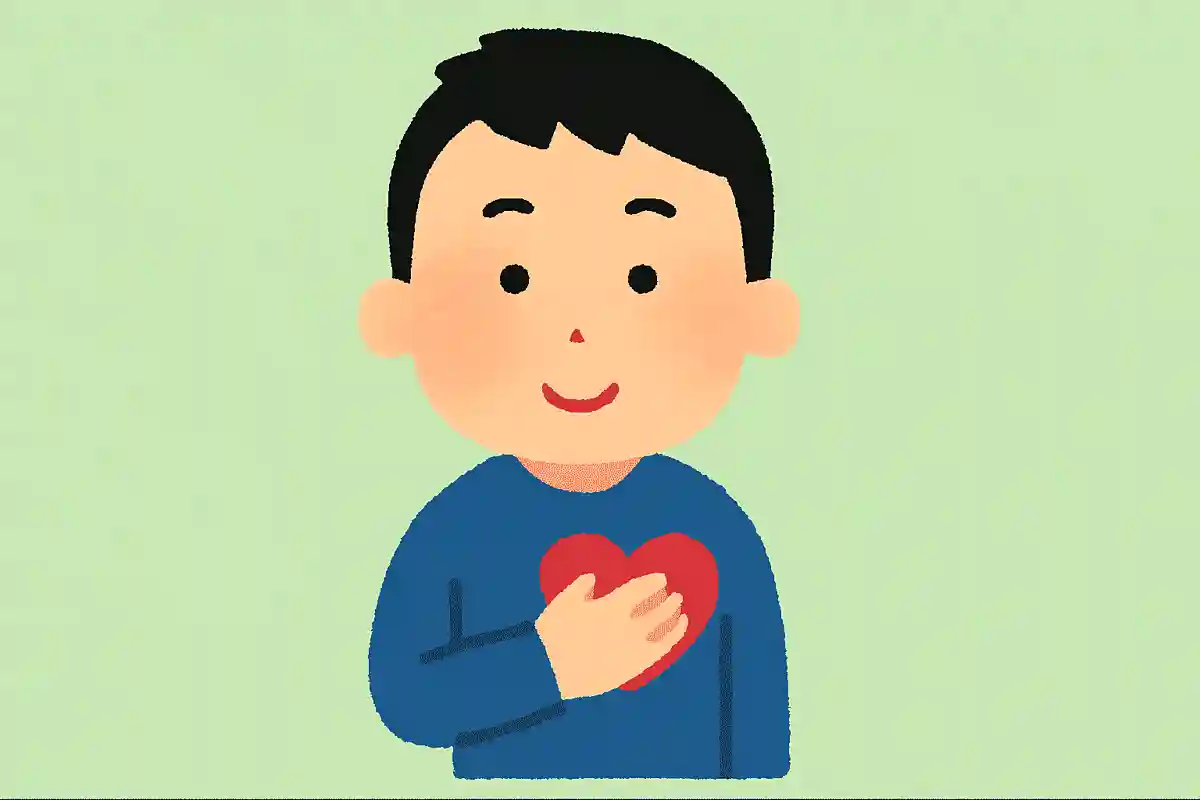
How many times does an adult human heart beat in a day?
- About 10,000 to 20,000 times
- about 50,000 to 60,000 times
- about 100,000 to 120,000 times
See the answer
about 100,000 to 120,000 times
In general, an adult heart beats about 70 to 75 times per minute. That comes to roughly 4,200 beats per hour, and 4,200 × 24 hours = about 100,800 beats per day. Therefore, it is considered to beat approximately 100,000 to 120,000 times per day.
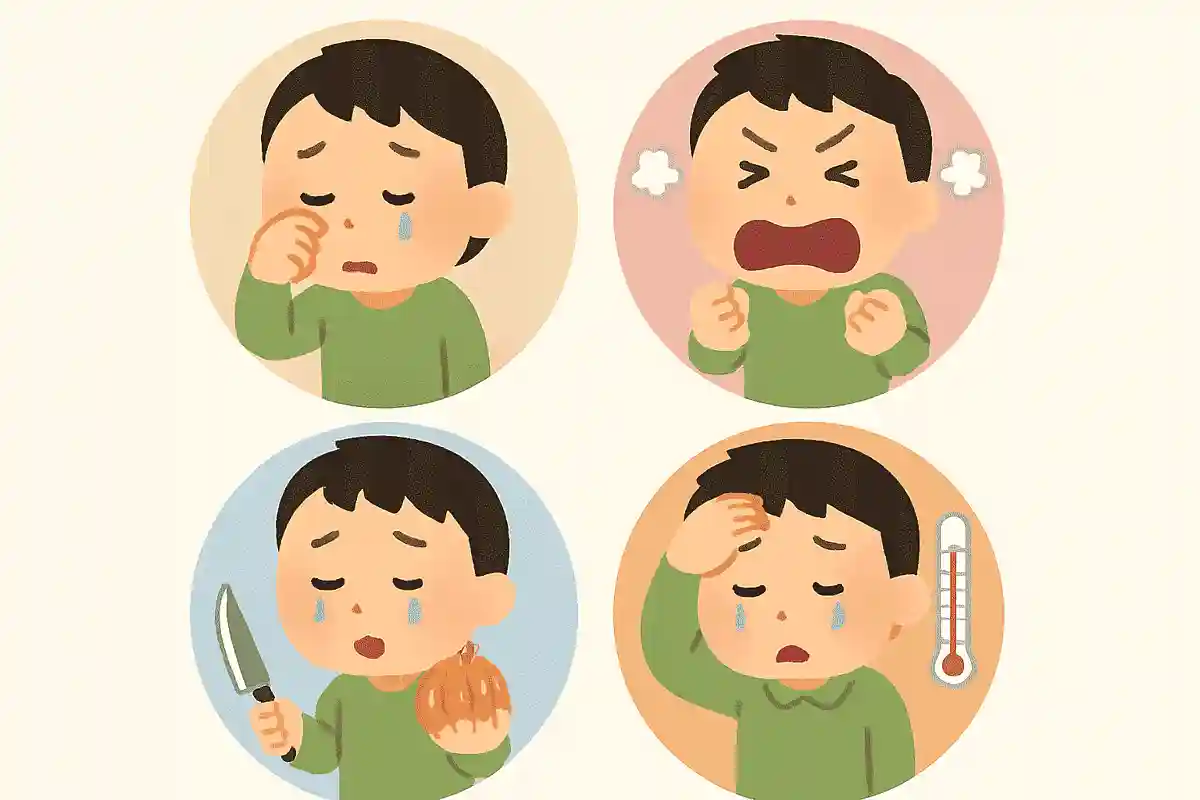
Which of the following is the source of the tears?
- sweat
- blood
- saliva
See the answer
blood
Tears are produced in a place called the lacrimal glands, using blood as their source. Blood is red, but tears aren’t, because hemoglobin—the substance that gives blood its red color—is removed, making them transparent. I used to think tears had a similar composition to sweat, but they’re actually completely different.
[Did you know?] Fun Health Trivia Quiz (11–20)
When your left foot hurts, which hand is it better to carry your luggage in?
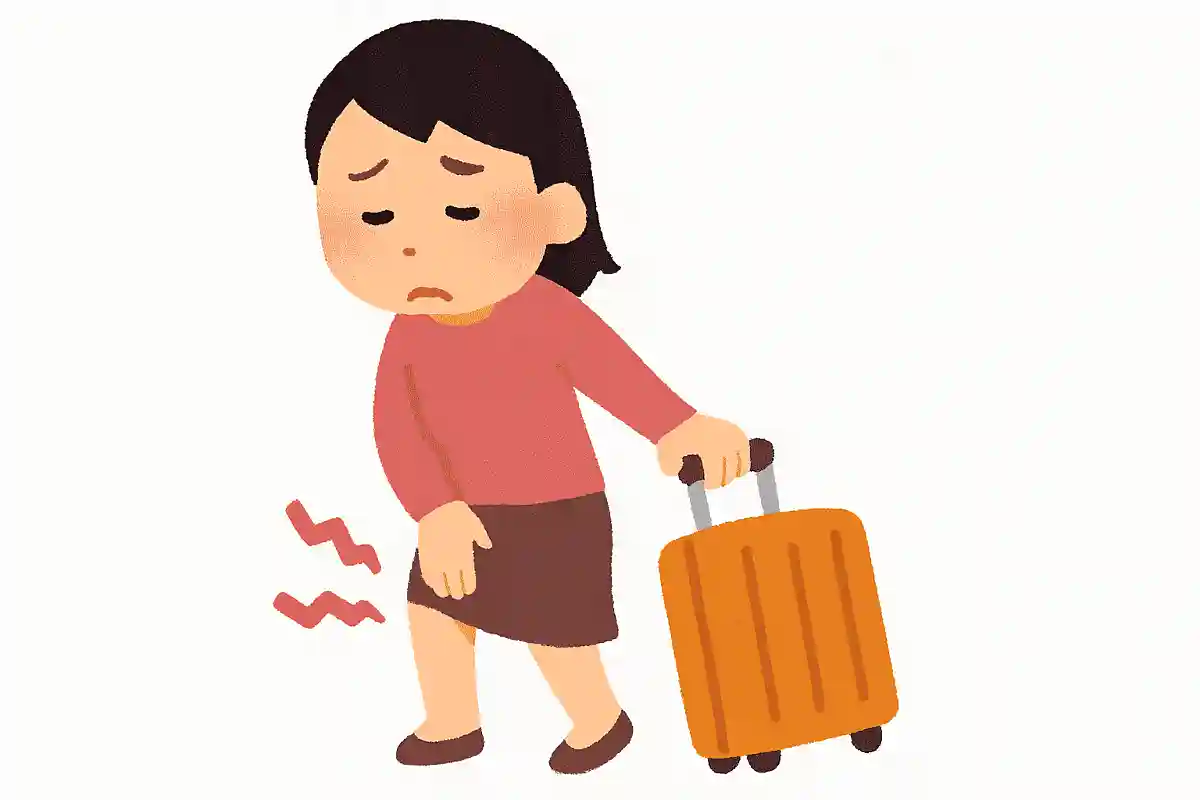
In general, when one leg is in pain and you need to carry a load, you should consider balance to reduce strain on your body. If your left leg is in pain, choose the most suitable hand for carrying the load from the options below.
- hold with the left hand
- Hold with your right hand
- hold with both hands
See the answer
Hold with your right hand
If your left foot hurts, carrying your luggage with your right hand can help you maintain balance. It reduces the load on the left foot and stabilizes your posture while walking, which can alleviate pain and help prevent secondary injuries. Conversely, carrying it with your left hand may increase the burden on your left foot and make you more likely to lose balance. If you carry items with both hands, depending on the weight, it can also be difficult to maintain balance. Therefore, when your left foot hurts, it’s best to carry your luggage with your right hand.
Which seasons—spring, autumn, or winter—are most likely to trigger allergies?
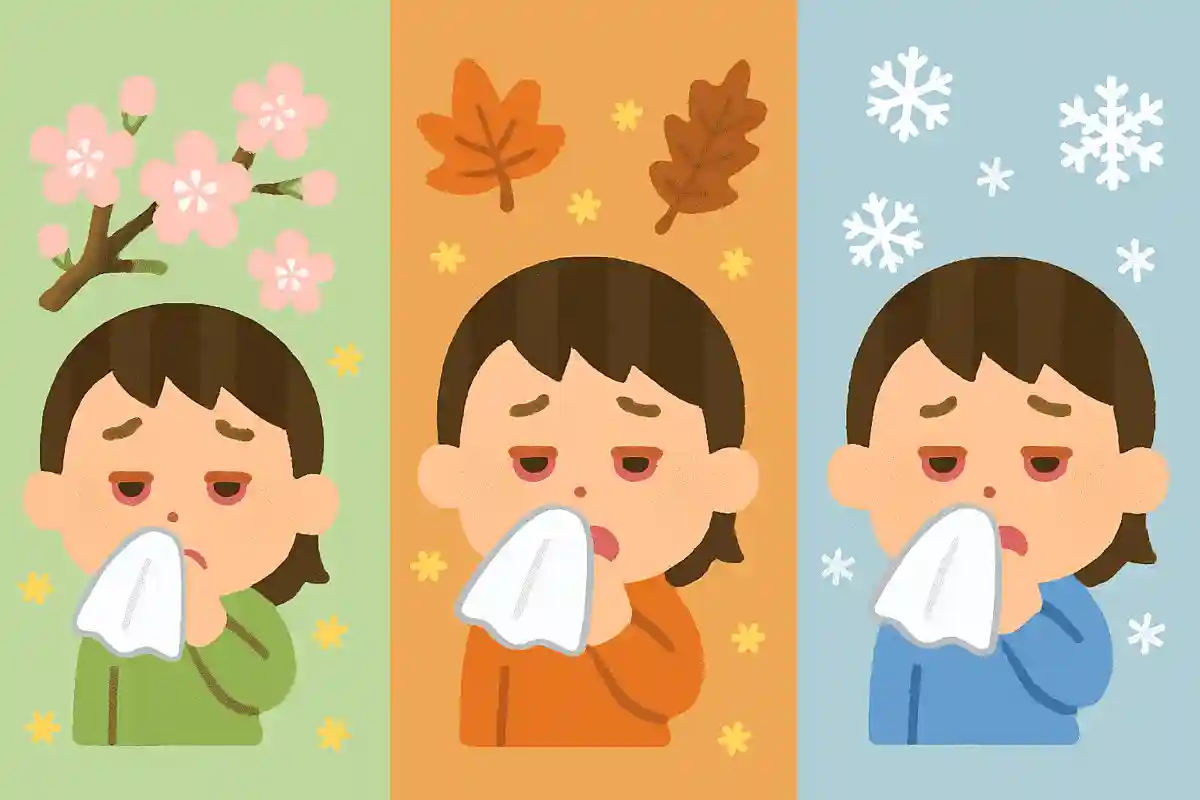
There is a season when many people are more likely to experience allergy symptoms due to changes in temperature and the start of pollen dispersal from certain plants. Common symptoms include sneezing, a runny nose, and itchy eyes. This season is generally affected by pollen, but which season is it?
- spring
- Autumn
- Winter
See the answer
spring
Spring is the season when plants bloom, and pollen released from trees such as cherry, cedar, and cypress drifts through the air and triggers allergic reactions. During this period, many people report hay fever symptoms, so it can be said to be a season when allergies are more likely to occur.
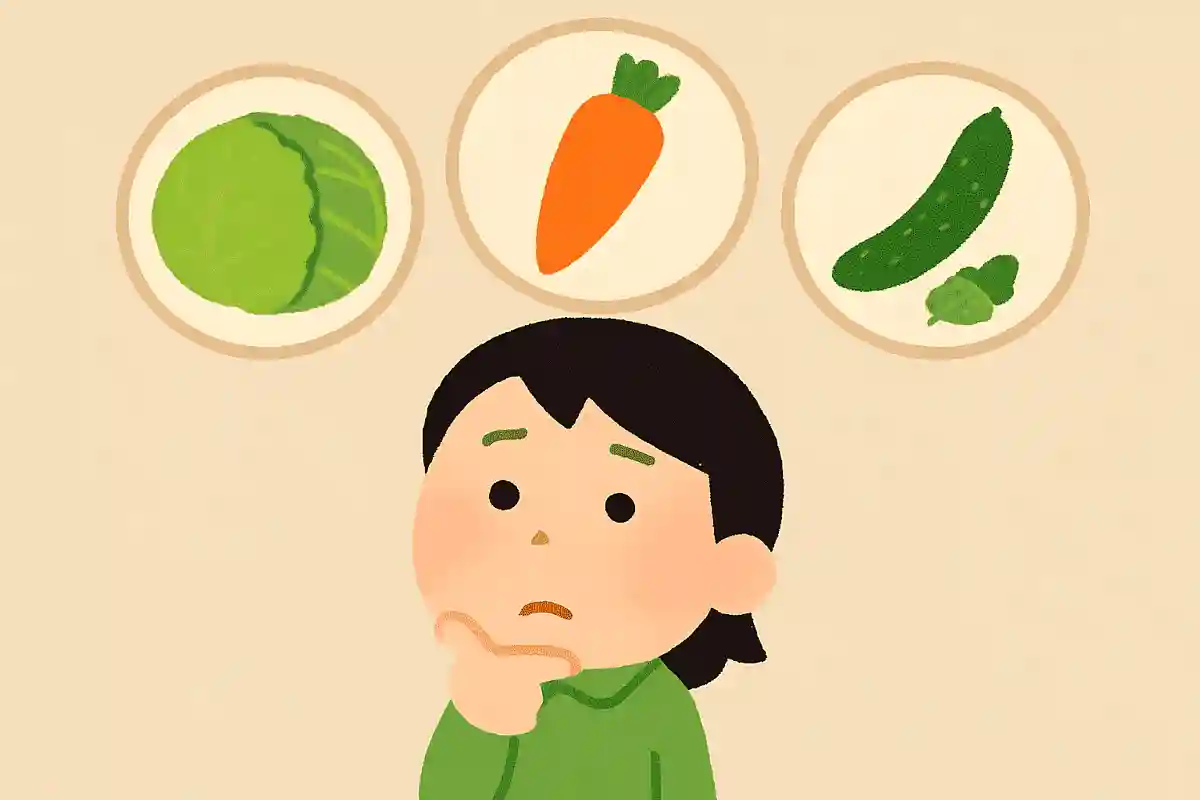
How many vegetables should you eat in a day?
- a handful
- full in both hands
- A bowl as big as a face, filled to the brim
See the answer
full in both hands
Vegetables are good for your health, so you’ll want to eat as many as possible—but it’s hard to know how much is ideal, right? As a guideline, aim for about two handfuls, roughly 350 grams. If two handfuls feels like a lot, especially if you have a smaller appetite, try cooking the vegetables to reduce their volume and make them easier to eat!
The calf is called the ‘second heart.’ What is it referred to as?
- heart
- Kidney
- lung
See the answer
heart
The calves are called the “second heart” because the contraction of their muscles acts like a pump that pushes venous blood upward. This function promotes circulation throughout the body and helps prevent venous thrombosis. Make a habit of regular massage and similar care!