

[Japanese-style BGM] Beautiful tones woven from Japanese tradition

Welcome to a new musical world where the spirit of Wa meets the breath of the modern era.
The shamisen’s powerful tones, the koto’s delicate melodies, the taiko’s resonant depths—Wafu BGM woven from tradition and innovation reminds us of our pride as Japanese.
In this article, we’ve carefully selected BGM brimming with the charm of Japan.
Whether you want to focus on work or study, or calm your mind, Japan’s beautiful sounds will accompany your moments.
With exhilarating rhythms and the exquisite harmony of traditional instruments, why not enrich your everyday life with vibrant color?
- [Japan] A collection of J-pop with a traditional Japanese (wa) vibe and Japanese-style taste
- A bright, Japanese-style song. A roundup of J-POP with a traditional Japanese flair.
- The Spirit of Japan: A Collection of Famous and Popular Shamisen Pieces
- Masterpieces of Japanese instrumental music. Recommended instrumental tracks.
- [Japanese-style Piano Pieces] A selection of recommended works with a pleasantly Japanese flavor
- Nostalgic yet new! Hit songs from the Showa era you’ll want to use as BGM
- [I Want Healing] Songs That Bring a Sense of Calm: Heartwarming Masterpieces of Japanese Music
- [Classical] Classical music BGM. Recommended classical music as background music for work and study.
- Stylish songs that are popular and recommended for vlog background music
- Recommended BGM for YouTube Shorts! Popular songs released in the Reiwa era
- Gently soaking into a weary heart... Healing songs released in the Reiwa era
- A nostalgic song—a timeless classic that somehow feels familiar and touches the heart.
- Gets you pumped! A curated selection of popular and classic Japanese songs perfect as background music for work
[Japanese-style BGM] Beautiful Tones Woven by Japanese Tradition (11–20)
Main Theme from the film “Ōoku”Muramatsu Takatsugu

This piece served as the main theme for the film Ooku, starring Kazunari Ninomiya and Kou Shibasaki, vividly coloring the story’s world.
Set in a lavish Ooku where gender roles are reversed, the dignity and fragility of people living amid swirling fate are woven together through a grand orchestra enhanced by koto and wadaiko.
The powerful yet heartrending melodies crafted by Takatsugu Muramatsu feel like the very cries of the characters’ hearts.
The track is included on the album “Ooku (The Movie) Original Soundtrack,” released in September 2010, and it’s a delight that a ballad version of the same theme is also available!
New ASIATogi Hideki

Born into a distinguished Gagaku family, composer Hideki Togi grounds himself in traditional music while fusing diverse genres such as rock and jazz.
This work is one of his signature pieces, known as the theme song for the NHK TV program “Discovering New Asia.” The soul-stirring melody of the hichiriki blends beautifully with expansive synthesizer tones, opening up a hopeful world like a light illuminating Asia’s future.
The piece is included on the album “from ASIA,” released in March 1999.
With its grand sense of scale, it’s perfect for times when you want to focus on work or study, or when you need the courage to take a new step forward.
Eternal Great RiverTogi Hideki
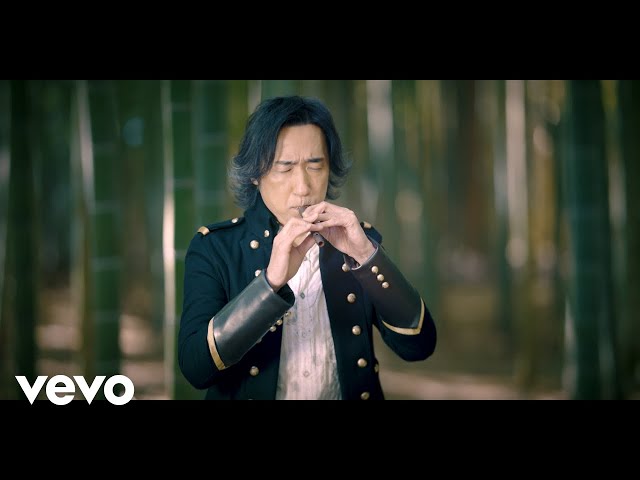
This is a work by Hideki Togi that unfolds a soundscape like a grand historical picture scroll rendered in sound.
It shakes the listener’s heart with an innovative style called “Progressive Gagaku,” which fuses the over-1,300-year tradition of gagaku with the power of progressive rock.
The piece appears on the acclaimed album TOGI, released in March 2012 to mark the 15th anniversary of his debut, and it captivated viewers as the theme song for the BS program “Nazotoki! Edo no Susume” (Unlocking the Mysteries! A Guide to Edo).
It’s the perfect track for when you want to step away from the everyday and embark on an epic journey across time and space.
Grand Festival 2DRUM TAO

TAO, whose dynamic onstage performances by a mixed-gender group with Japanese taiko drums are hugely popular, is based in Kuju, Taketa City, Oita Prefecture.
Their captivating blend of traditional Japanese sounds offers a feast for both the eyes and ears—no wonder so many people are drawn to it.
my styleAgatsuma Hiromitsu

A video of Hiromitsu Agatsuma—widely hailed as a top-tier Tsugaru shamisen player—jamming with bass and percussion.
Though the sound is distinctly Japanese, the exhilarating, lead-guitar-like chord progressions are downright artistic.
Spring SeaNomura Houzan, Higuchi Yukimi

The gentle melody of a duet for shakuhachi and koto is a familiar staple of Japanese New Year’s music.
You’ve probably heard it at least once on TV specials or as background music in shopping malls.
It was composed by Michio Miyagi for the Imperial New Year’s Poetry Reading in 1930.
Wafu BGM: Beautiful Tones Woven by Japanese Tradition (21–30)
Poem of the GodsHimekami

This famous song, which is also the opening theme of a well-known TV program.
Many people seem to think it’s sung in some African or tribal language, but in fact the lyrics are in Jomon language.
It’s like a self-introduction song, endlessly singing about one’s name and family structure.
Once you realize that, you think, “Well, it’s from the same era,” but more than that, the sound is truly wonderful.
This track might make you take a fresh interest in Himekami.