

2000s Japanese Hits | Unforgettable Once You Hear Them! Exquisite Masterpieces

What kind of music were you listening to back then? The 2000s can be called a turning point for J-POP.
Theme songs from TV shows and dramas, the background music of school life, the songs we sang at karaoke—many people only need to hear them and a page of youth, etched together with the music, comes vividly back.
In this article, we present hit songs that defined the 2000s.
Shall we look back once more at the music of that special era, where nostalgia and novelty intertwined?
- Japanese Music of the 2000s: Revival Included! A J-POP Hit Song Special
- 2000s: A Collection of Hit Karaoke Classics
- Iconic songs by Japanese rock bands from the 2000s [J-Rock]
- All big hits! A roundup of classic J‑Pop songs that were popular in 2000
- [Japanese Music] Masterpieces of 2000s Pop: A roundup of hit songs from 00s J-POP
- A revival hit driven by social media! Heisei-era masterpieces that are resonating with Gen Z today
- Hit songs that colored 2011! Timeless tracks that bring back those days
- Japanese dance hits from the 2000s. Songs that make you want to dance on TikTok.
- Hit J-Pop songs of 2007: the appeal of hit tracks that exude a positive vibe
- Hit J-pop songs of 2005. Recommended masterpieces and popular tracks.
- [2026 Hit Songs] Iconic Heisei-Era Classics and Nostalgic Japanese Music
- Hit J-Pop songs of 2008: recommended masterpieces and popular tracks
- Love songs that were hits in the 2000s. Classic and popular Japanese songs.
2000s Japanese Hit Songs | Unforgettable Once You Hear Them! A Collection of Gem-like Masterpieces (71–80)
PIECES OF A DREAMCHEMISTRY
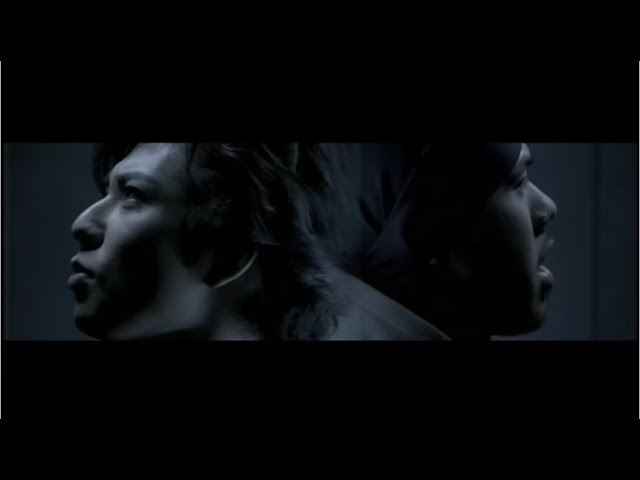
This is CHEMISTRY’s well-known debut single released in 2001.
The duo debuted through a project on the popular variety show ASAYAN, and thanks to the buzz, their looks, and their vocal ability, the song became an explosive hit.
It ranked third on Oricon’s 2001 year-end singles chart.
LovelessCOIL

It is a home-recording duo formed by two members from Kanagawa Prefecture.
Since 2015, it has operated under member Sadayoshi Okamoto’s solo name.
They established a private label called “sandwich records,” and both members also compose and arrange for other artists.
Midnight Déjà Vu ~The Blues of Colors~EGO-WRAPPIN’

Formed in Osaka Prefecture, this pop-rock band has earned strong support not only from fans but also from music industry professionals for their accessible melodies and swing-infused songs sprinkled with jazz elements.
A one-of-a-kind sound that brings jazz to the masses.
Choo Choo YRAINEXILE

Known for its intro dance where the body and arms draw circles in a vertically wavy motion! This is a hit number by EXILE, featuring lively choreography and vocals with stable singing ability.
Included on the album “EXILE ENTERTAINMENT,” released in December 2003, it became their first million-selling track.
With its pop, catchy melody and dance-ready rhythm, it’s been used in various events and TV programs.
If you’re doing it at a year-end party, dance practice is a must! If a perfect recreation is tough, it’s also recommended to just pick up the signature moves and dance to those.
It’s great to have everyone focus on the dance, but if someone is confident in their singing, definitely try performing with live vocals as the backing.
SCREAMGLAY × EXILE

This song sparked discussion with its unconventional collaboration between GLAY and EXILE.
It portrays humanity striving to find hope amid age-old, recurring conflicts and a world overflowing with desire.
The powerful harmony of the vocals is striking, and the confrontational composition of the two groups in the music video is also eye-catching.
Released in July 2005, the track was a new attempt to bring together the fan bases of both groups.
The lyrics convey a strong will to face life’s hardships and overcome them, resonating deeply with listeners.
It’s a song that reminds you of the importance of moving forward without losing sight of the light, even in darkness.
Natsu no HikariGRAPEVINE

A rock band formed in Osaka Prefecture, renowned for powerful, soul-stirring live performances.
They have many fans drawn to the literary world of their lyrics, which soar over beautiful melody lines that often embrace tear-inducing, emotive hooks.
MiracleGReeeeN

Released in 2008, this song became a huge hit as the theme song for the TBS drama “ROOKIES” and became GReeeeN’s most iconic track.
It ranked 4th on the Oricon annual sales chart that year.
To this day, many artists continue to cover the song.