

2000s Japanese Hits | Unforgettable Once You Hear Them! Exquisite Masterpieces

What kind of music were you listening to back then? The 2000s can be called a turning point for J-POP.
Theme songs from TV shows and dramas, the background music of school life, the songs we sang at karaoke—many people only need to hear them and a page of youth, etched together with the music, comes vividly back.
In this article, we present hit songs that defined the 2000s.
Shall we look back once more at the music of that special era, where nostalgia and novelty intertwined?
- Japanese Music of the 2000s: Revival Included! A J-POP Hit Song Special
- 2000s: A Collection of Hit Karaoke Classics
- Iconic songs by Japanese rock bands from the 2000s [J-Rock]
- All big hits! A roundup of classic J‑Pop songs that were popular in 2000
- [Japanese Music] Masterpieces of 2000s Pop: A roundup of hit songs from 00s J-POP
- A revival hit driven by social media! Heisei-era masterpieces that are resonating with Gen Z today
- Hit songs that colored 2011! Timeless tracks that bring back those days
- Japanese dance hits from the 2000s. Songs that make you want to dance on TikTok.
- Hit J-Pop songs of 2007: the appeal of hit tracks that exude a positive vibe
- Hit J-pop songs of 2005. Recommended masterpieces and popular tracks.
- [2026 Hit Songs] Iconic Heisei-Era Classics and Nostalgic Japanese Music
- Hit J-Pop songs of 2008: recommended masterpieces and popular tracks
- Love songs that were hits in the 2000s. Classic and popular Japanese songs.
2000s Japanese Hit Songs | Unforgettable Once You Hear Them! A Collection of Gem-like Masterpieces (41–50)
Roco LotionORANGE RANGE

Released in 2004, this song is ORANGE RANGE’s sixth single.
In the Oricon annual sales rankings, it placed seventh that year.
It enjoyed overwhelming popularity among young people, especially junior high and high school students, and its slightly provocative lyrics were part of its appeal.
Paradise BabyRIP SLYME

This song is a signature track by RIP SLYME, released in 2002.
For many people, it’s the song that comes to mind when they think of summer.
Its light, catchy rap and pleasant sound are like a paradise.
It ranked 31st on the Oricon annual sales chart that year.
compensated datingichou BOYZ

A punk rock band whose sensational lyrics repeatedly spark mixed reactions.
They embody the rebellious spirit in their lyrics, songs, and live performances to such an extent that they can truly be called a defining punk band of the 2000s.
They are also sometimes written as “Ginnan BOYZ.”
I want to be your lover.Abe Mao
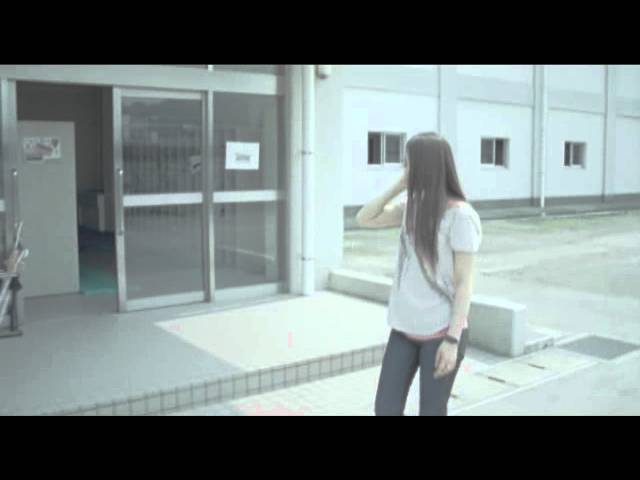
A love song released as Abe’s second single.
She wrote it in her senior year of high school, capturing the feelings she had during an unrequited crush.
The music video was filmed, at her request, at her alma mater, Oita Prefectural Oita Nishi High School.
Osaka LoverDREAMS COME TRUE

A track that directly conveys the excitement of heading to Osaka to see a long-distance lover.
Released in March 2007 as DREAMS COME TRUE’s 38th single, it was well known as the theme song for a Universal Studios Japan attraction.
The song expresses the complex feelings of the frustration of not being able to meet and the anticipation of reunion, set to a danceable four-on-the-floor beat.
The slightly grown-up-sounding Osaka dialect phrases highlight the protagonist’s endearing charm and are irresistibly cute.
The song is also included on the album AND I LOVE YOU.
It’s a perfect track to heighten those pre-meeting butterflies when you’re about to see someone you love.
road; way; path; street; route; Tao (in philosophy)EXILE
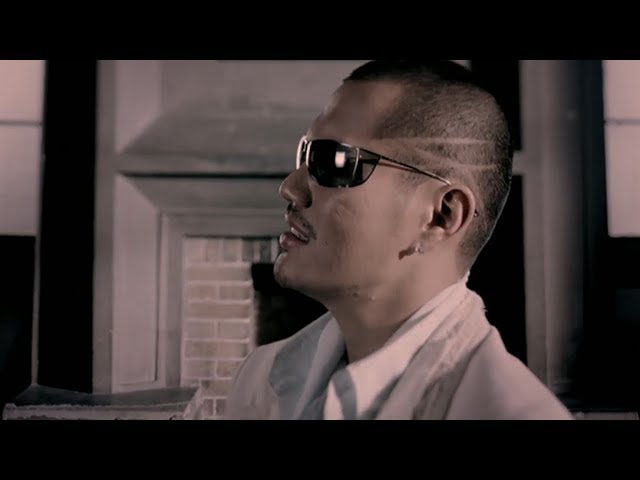
This is a moving ballad by EXILE, beloved as a classic graduation song.
Released in February 2007 as their 23rd single, the track became a milestone as the 1,000th song to reach No.
1 on the Oricon charts.
It captures the delicate emotions woven from hope and a touch of loneliness that everyone feels during the season of departure.
Parting with dear friends is painful, yet it inspires gratitude for the time spent together and the courage to step into the future.
The beautiful harmonies of ATSUSHI and TAKAHIRO gently envelop those warm feelings.
It was also used as the theme song for Nippon TV’s “Music Fighter” and as the motif for the drama “Sotsu Uta.” It’s a song that quietly stays close to the hearts of those setting out on a new path.
Lovin’ LifeFUNKY MONKEY BABYS

The fourth single by FUNKY MONKEY BABYS, a music unit that fuses hip-hop and pop.
Released in January 2007, the song became a long-running hit, breaking into the Top 10 in its sixth week and solidifying the group’s popularity.
The lyrics, which portray the small joys hidden in everyday life and the preciousness of time spent with loved ones, warmly fill listeners’ hearts.
Its catchy melody and smooth rap weave a positive atmosphere that feels like a true anthem for life.
The track is also included on the album “Funky Monkey Babys 2” and was used as Ryota Wakiya’s theme song for the Yomiuri Giants in 2007.
It’s a number that makes you cherish the simplicity of everyday life.