

2000s Japanese Hits | Unforgettable Once You Hear Them! Exquisite Masterpieces

What kind of music were you listening to back then? The 2000s can be called a turning point for J-POP.
Theme songs from TV shows and dramas, the background music of school life, the songs we sang at karaoke—many people only need to hear them and a page of youth, etched together with the music, comes vividly back.
In this article, we present hit songs that defined the 2000s.
Shall we look back once more at the music of that special era, where nostalgia and novelty intertwined?
- Japanese Music of the 2000s: Revival Included! A J-POP Hit Song Special
- 2000s: A Collection of Hit Karaoke Classics
- Iconic songs by Japanese rock bands from the 2000s [J-Rock]
- All big hits! A roundup of classic J‑Pop songs that were popular in 2000
- [Japanese Music] Masterpieces of 2000s Pop: A roundup of hit songs from 00s J-POP
- A revival hit driven by social media! Heisei-era masterpieces that are resonating with Gen Z today
- Hit songs that colored 2011! Timeless tracks that bring back those days
- Japanese dance hits from the 2000s. Songs that make you want to dance on TikTok.
- Hit J-Pop songs of 2007: the appeal of hit tracks that exude a positive vibe
- Hit J-pop songs of 2005. Recommended masterpieces and popular tracks.
- [2026 Hit Songs] Iconic Heisei-Era Classics and Nostalgic Japanese Music
- Hit J-Pop songs of 2008: recommended masterpieces and popular tracks
- Love songs that were hits in the 2000s. Classic and popular Japanese songs.
2000s Japanese Music Hits | Unforgettable After Just One Listen! A Collection of Exquisite Masterpieces (21–30)
It Takes TwoCHEMISTRY

The title track from the single “It Takes Two / SOLID DREAM / MOVE ON,” released in November 2002.
A mid-tempo number that blends R&B and pop in their signature style, its appeal lies in the unique twin-vocal call-and-response and rich harmonies.
As the title suggests, the lyrics carry the message that “only the two of us can achieve this,” embodying the very essence of CHEMISTRY as a duo.
The song was used as the theme for the drama “Double Score” and reached No.
1 on the Oricon Weekly Chart.
In 2008, it was re-recorded with a more lyrical arrangement after being selected by fan vote, cementing its status as a long-loved track.
A quintessential early CHEMISTRY song that lets you fully savor the musical chemistry between Dochin and Kawabata.
May it be filled with kindnessJUJU

This is a rock ballad by JUJU released in 2009.
As the theme song for Nissan’s Cube commercial, it touched the hearts of many.
The lyrics express deep gratitude to the person who taught the singer the meaning of life at times when, amid unchanging days, she felt she might lose sight of what truly matters.
JUJU’s powerful yet delicate vocals convey a straightforward resolve to keep loving, even when apart.
It’s a timeless song that gently stays by your side when you want to renew your feelings for someone important or when you need a little warmth in your heart.
2000s Japanese Hit Songs | Unforgettable Once You Hear Them! A Collection of Gemlike Masterpieces (31–40)
If I sing to the sky175R

For 175R, the band that made its name known nationwide from Fukuoka, this second major single—selected as a J-PHONE commercial song—was a pivotal track that put them on the map.
Released in April 2003, it debuted at No.
1 on the Oricon Weekly Chart, following in the footsteps of its predecessor.
It ranked 18th on the year-end chart and became a major hit, selling around 350,000 copies.
The lyrics, written for friends back home, likely call to mind those universal moments of parting and setting off on a new journey.
From start to finish, the driving band sound and SHOGO’s raw, straightforward vocals embody the energy of youth, making it a quintessential example of early-2000s youth punk.
It’s a timeless anthem that cheers on everyone running toward their dreams.
sailing dayBUMP OF CHICKEN

Released in March 2003 by BUMP OF CHICKEN as a double A-side single with “Lost Man,” this track was selected as the ending theme for the film “ONE PIECE THE MOVIE: Dead End no Bōken” (Dead End Adventure).
As fans of the series themselves, the band crafted a high-velocity rock tune infused with motifs of adventure and setting sail.
The lyrics, which sing of the will to face destiny and the resolve to keep chasing one’s dreams, deeply resonated with young listeners at the time.
Peaking at No.
2 on the Oricon Weekly Chart and later included on the album “Yggdrasil,” it has become one of their signature songs and a staple that unites fans at live shows.
It’s a highly recommended track for anyone about to take a new step forward.
HEROMr.Children
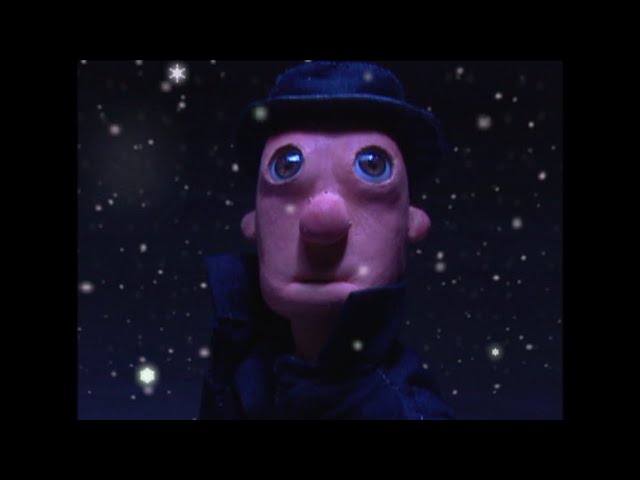
This song, released in December 2002 by Mr.Children—the indispensable four-piece rock band in Japanese music history—is a moving work created right after Kazutoshi Sakurai’s return from a cerebellar infarction.
The lyrics, infused with the desire to be someone’s hero, are full of gentle resolve: not to be a dazzling presence, but to stand by someone important in everyday life.
Chosen as the theme song for the NTT DoCoMo Group’s 10th-anniversary commercial, it became a long-running hit, ranking 9th on the 2003 annual singles chart.
It’s a number to play when you want to reaffirm your feelings for someone important or when you need a nudge forward.
MelissaPorunogurafiti
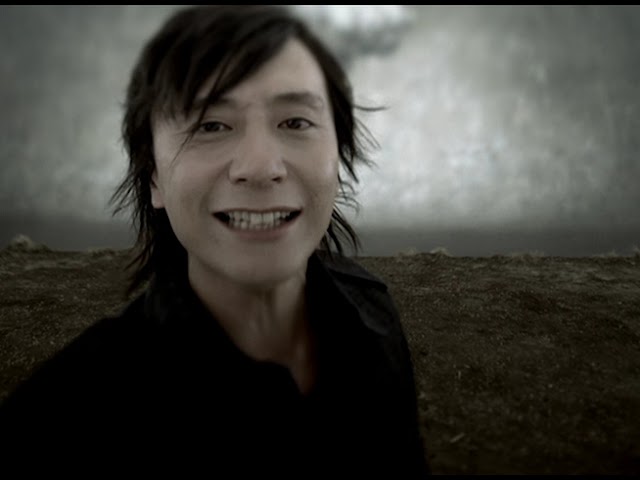
Released in September 2003 as their 12th single, this is one of the signature songs by Porno Graffitti, the rock duo from Hiroshima Prefecture.
It was used as the opening theme for the TV anime Fullmetal Alchemist and is also known for winning Song of the Year at the 18th Japan Gold Disc Awards.
The lyrics, imbued with the will to reclaim what’s been lost and the resolve to move forward while healing a wounded heart, resonate deeply with listeners.
Beginning with a striking bass riff, the song’s high-velocity sound and powerful vocals fuse into an arrangement that’s guaranteed to fire up any karaoke session—a rock number you’ll want to belt out with friends.
sympathetic tearsHitoto Yo

The debut single by singer-songwriter Yo Hitoto, who has a Taiwanese father and a Japanese mother and continued making music in an a cappella club while attending Keio University.
Released in October 2002, the song reached No.
4 on the Oricon charts without a major tie-in and became a long-running hit, staying on the chart for 70 weeks.
The lyrics, which depict how a friend’s tears set off a chain reaction of emotions, are said to have been inspired by a heartbreak she experienced during her university years.
The striking chorus was crafted so that it can be sung universally using only vowels, creating a unique world where an Oriental, R&B-tinged arrangement and her resilient, powerful vocals blend exquisitely.
In 2003, the song earned her the Japan Record Award for Best New Artist and her first appearance on the NHK Kohaku Uta Gassen, making it the track that defined her career as an artist.