

2000s Japanese Hits | Unforgettable Once You Hear Them! Exquisite Masterpieces

What kind of music were you listening to back then? The 2000s can be called a turning point for J-POP.
Theme songs from TV shows and dramas, the background music of school life, the songs we sang at karaoke—many people only need to hear them and a page of youth, etched together with the music, comes vividly back.
In this article, we present hit songs that defined the 2000s.
Shall we look back once more at the music of that special era, where nostalgia and novelty intertwined?
- Japanese Music of the 2000s: Revival Included! A J-POP Hit Song Special
- 2000s: A Collection of Hit Karaoke Classics
- Iconic songs by Japanese rock bands from the 2000s [J-Rock]
- All big hits! A roundup of classic J‑Pop songs that were popular in 2000
- [Japanese Music] Masterpieces of 2000s Pop: A roundup of hit songs from 00s J-POP
- A revival hit driven by social media! Heisei-era masterpieces that are resonating with Gen Z today
- Hit songs that colored 2011! Timeless tracks that bring back those days
- Japanese dance hits from the 2000s. Songs that make you want to dance on TikTok.
- Hit J-Pop songs of 2007: the appeal of hit tracks that exude a positive vibe
- Hit J-pop songs of 2005. Recommended masterpieces and popular tracks.
- [2026 Hit Songs] Iconic Heisei-Era Classics and Nostalgic Japanese Music
- Hit J-Pop songs of 2008: recommended masterpieces and popular tracks
- Love songs that were hits in the 2000s. Classic and popular Japanese songs.
2000s Japanese Hit Songs | Unforgettable Once You Hear Them! A Collection of Exquisite Masterpieces (1–10)
dogwood (flowering dogwood)Hitoto Yo

A timeless ballad whose one-of-a-kind vocals by Yo Hitoto resonate like a deep prayer and seep into the heart.
It is said to have been written in the wake of the September 11 attacks, imbued with an earnest wish for peace.
Its universal theme—hoping that happiness will continue for a loved one and for those dear to them—gently envelops listeners’ hearts.
Released in February 2004 as her fifth single, it achieved an astonishing long-run hit, staying on the Oricon charts for 125 consecutive weeks.
It also served as the theme song for Nippon TV’s “Tuesday Suspense Theater” and for the film of the same name.
Many people may find themselves resonating with the heartfelt wish for someone precious to be happy.
One Lovearashi

A song whose straightforward vow of love resonates in the heart, carried by a grand melody.
Released in June 2008 as Arashi’s 22nd single, it was selected as the theme song for the blockbuster film “Boys Over Flowers F (Final),” starring group member Jun Matsumoto.
From among all the people in the world, choosing just one and pledging eternal love—the pure and powerful message warmly embraces every listener.
Now a staple wedding song, it may be the perfect choice for expressing your feelings to the one you love on that special wedding day.
GibbsShiina Ringo
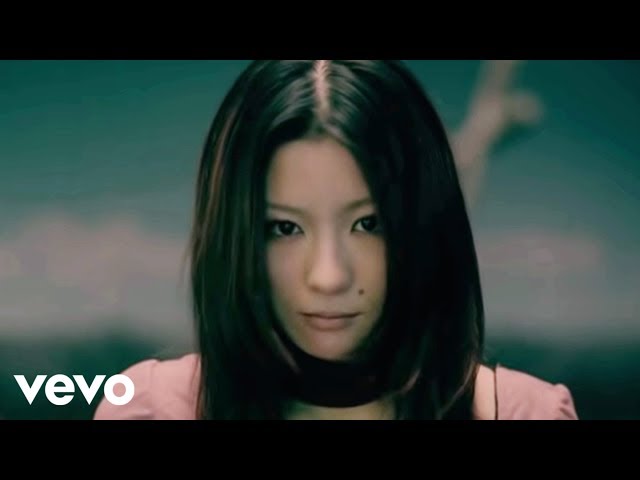
A love song by Sheena Ringo in which possessiveness toward a lover and the fear of losing them pierce the heart painfully.
Released in January 2000, this work was a lead single from the acclaimed album Shōso Strip.
It debuted at No.
4 on the Oricon Weekly Chart and received the Excellence Award at the 42nd Japan Record Awards, among other high honors.
Though the protagonist wants to believe in eternity, their sensitivity leads them to see a future lie in the word “forever.” Many listeners may find themselves relating to the depth of love that equates their relationship with that of a legendary couple.
2000s Japanese Hit Songs | Unforgettable Once You Hear Them! A Collection of Gem-like Masterpieces (11–20)
Wait & See ~Risk~Utada Hikaru

A signature song by Hikaru Utada that became a million-seller and won Song of the Year at the 2000 Gold Disc Awards.
Released in April 2000, the track features a driving yet understated sound that fully showcases her vocal quality, with her powerful voice taking center stage.
The music video—where she rides a futuristic machine through the streets of Shibuya—is also a highlight.
moonlightOnitsuka Chihiro
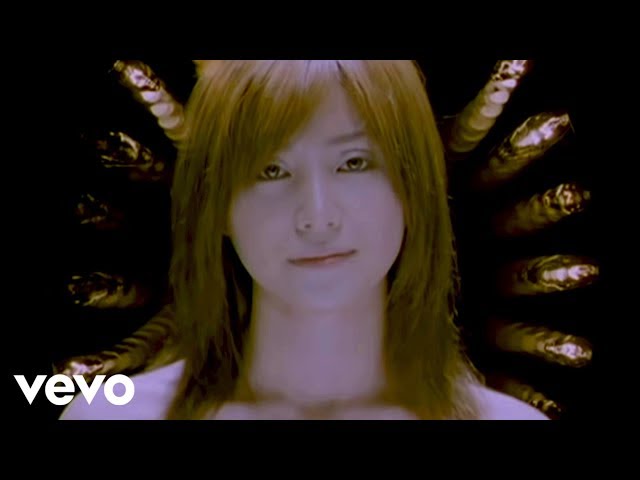
This song was used as the theme for TV Asahi’s Friday Night Drama “TRICK,” and, 14 years later, it was also featured in the commercials for “TRICK: The Movie – Last Stage.” Along with the drama’s success, the single became a hit as well, marking Chihiro Onitsuka’s best-selling release.
Her vocals and lyrics, with their distinctive worldview, retain an unforgettable impact and power that linger in the ears even as time passes.
MayB’z
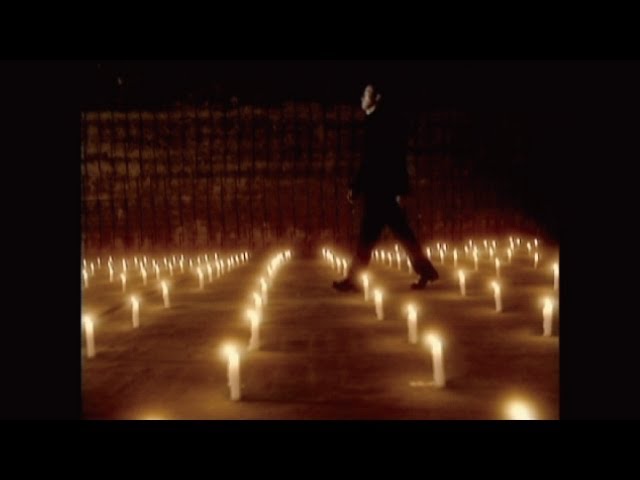
Caught between dreams and reality, thinking of a precious person I can no longer meet…
This is a heart-wrenching mid-tempo ballad by B’z.
Just calling out a name makes emotions surge from deep within—the protagonist’s aching longing will likely resonate with many who have had similar experiences.
Released in May 2000, the song debuted at No.
1 on the Oricon chart despite having no commercial tie-in.
It was later included on the album ELEVEN.
If there’s someone you can’t forget, this bittersweet yet beautiful melody is sure to move you.
Riding on the back of a silver dragonNakajima Miyuki

It’s a masterpiece with a striking, grand introduction that conjures majestic natural scenery before your eyes.
Released in July 2003 as Miyuki Nakajima’s 38th single, it came out about three years after the massive hit “Chijō no Hoshi / Headlight, Taillight.” Written specifically as the theme song for the Fuji TV drama Dr.
Coto’s Clinic, it became deeply etched in many people’s hearts along with the show’s popularity.
When facing hardship, listening to this song will encourage you and remind you that you’re not alone.
If you surrender yourself to its tender yet solemn world, you may feel the energy to face tomorrow welling up within you.