

Old songs from the Showa to Heisei eras: a collection of timeless classics loved across generations

These days, thanks to the widespread use of Spotify and Apple Music, people of all ages can easily listen to a wide variety of songs.
Social media platforms like TikTok have also sparked an increase in older songs becoming revival hits among young people.
In this article, we’ll be showcasing a selection of hit tracks from the Showa and Heisei eras all at once!
There are plenty of timeless masterpieces that haven’t lost their charm, so take this opportunity to give them another listen.
- [Songs from the Showa Era] Introducing classic tracks that are easy to sing at karaoke.
- Showa-era love songs: A roundup of timeless love songs cherished across generations
- Showa-era songs that went viral on TikTok / revival hit songs
- [Classic Showa Kayō Hits] The captivating Showa-era pop songs beloved even by younger generations
- Songs from the Heisei retro era that will get any generation excited! Timeless tracks you’ll want to listen to now.
- Popular Showa-era pop. Timeless hit songs.
- Revival hits driven by social media! Classic Showa-era songs popular with Gen Z
- [Nostalgic Songs] A compilation of classic anime themes that hit home for those born in the Showa and Heisei eras
- Evokes the charm of the good old days. Showa-era inspirational songs that are still loved today.
- Hits that resonate across generations! Popular 1990s songs on TikTok
- [Showa Era] A Collection of Enka Hits: Timeless Classics Loved Across Generations
- Thrilling to Cool Showa-Era Tunes! Classic Songs from Female Singers and Artists of the Showa Period
- Songs to Enjoy in Summer! Classic Hits Special (Showa & Heisei)
Old songs from the Showa to Heisei eras: A collection of timeless classics loved across generations (81–90)
To my distant loverSaijō Hideki

A heartwarming medium-tempo ballad by Hideki Saijo that poignantly sings of his feelings for the lover he left behind in his hometown after moving to the city.
Released in November 1978, the song reached No.
8 on the Oricon chart.
With a powerful voice, it gently embraces the yearning for a dear one far away and the hope for the arrival of spring.
The strong will to reunite with his lover after a long winter resonates with a beautiful melody, leaving a deep impression on listeners.
This work stands as a classic that conveys the preciousness of love that remains unchanged despite distance, offering comfort to everyone living apart from their loved ones.
It was rainy again in Nagasaki today.Uchiyamada Hiroshi to Cool Five
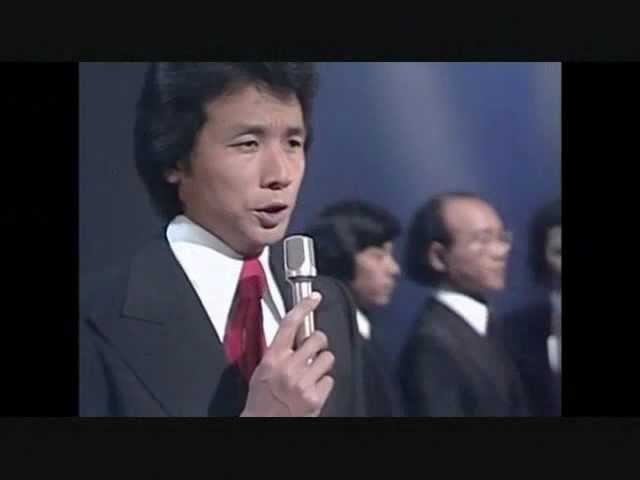
Showa-era songs often included many local-themed tunes, and this one drew attention because its title was unusual.
While many songs of the time were mellow mood numbers sung tenderly, Kiyoshi Maekawa’s powerful vocals were also a factor in its success.
Although Maekawa is often seen as the quiet type, he also ventured into comedy sketches with Kinichi Hagimoto, and this different side of him became popular.
Life is full of ups and downs.Shimakura Chiyoko

Released in 1987, the song gained popularity among younger generations after Kuniko Yamada and Korokke performed impersonations of it, leading to even greater success.
It was performed three times at the NHK Kouhaku Uta Gassen, and even after Chiyoko Shimakura’s passing, it has continued to be beloved as the train arrival chime at Keikyu Aomonoyokocho Station.
The Scent of CyclamenFuse Akira

It is one of the signature masterpieces of the Showa-era pop scene.
Written and composed by Kei Ogura, it was released by Akira Fuse in April 1975.
The song was a major hit, reaching No.
1 on the Oricon charts and ranking second on the year-end chart.
Fuse’s expansive, powerful vocals beautifully convey the changing phases of love as depicted through cyclamen flowers.
The lyrics, which mirror the emotional shifts from the beginning of love to parting with the changing colors of the flowers, are sure to resonate with many listeners.
Red Sweet PeaMatsuda Seiko

A classic song depicting love in full spring bloom was released as a single by Seiko Matsuda in 1982.
Composed by Yumi Matsutoya with lyrics by Takashi Matsumoto, this track marked a turning point in Matsuda’s career.
To accommodate her strained voice from a grueling schedule, a slow ballad style was adopted.
The lyrics delicately portray springtime scenes and the bittersweetness of love, resonating with many listeners.
This work has long been cherished as one of Seiko Matsuda’s signature songs.
It’s especially recommended for listening during the season when you can feel spring’s arrival.
Dramatic RainInagaki Junichi

Even though it only peaked at No.
8 on the Oricon chart at the time, it stayed on the charts for half a year as a long-running hit.
Because the second single sold so poorly, the record company asked Kyohei Tsutsumi to provide a song; the lyrics were won in a competition by Yasushi Akimoto—who now seems practically exclusive to the AKB group—and it became Akimoto’s first hit as well.
Old songs from the Showa to Heisei eras. A collection of timeless classics loved across generations (91–100)
Your NameOrii Shigeko

This is the theme song from a film that was a huge hit about 60 years ago.
The part about leaving things to fate seems to have something in common with the 2016 film Your Name., but it appears there’s no connection at all.
For people above a certain age, when they hear “Your Name,” I imagine this older film is the one that comes to mind.