

Old songs from the Showa to Heisei eras: a collection of timeless classics loved across generations

These days, thanks to the widespread use of Spotify and Apple Music, people of all ages can easily listen to a wide variety of songs.
Social media platforms like TikTok have also sparked an increase in older songs becoming revival hits among young people.
In this article, we’ll be showcasing a selection of hit tracks from the Showa and Heisei eras all at once!
There are plenty of timeless masterpieces that haven’t lost their charm, so take this opportunity to give them another listen.
- [Songs from the Showa Era] Introducing classic tracks that are easy to sing at karaoke.
- Showa-era love songs: A roundup of timeless love songs cherished across generations
- Showa-era songs that went viral on TikTok / revival hit songs
- [Classic Showa Kayō Hits] The captivating Showa-era pop songs beloved even by younger generations
- Songs from the Heisei retro era that will get any generation excited! Timeless tracks you’ll want to listen to now.
- Popular Showa-era pop. Timeless hit songs.
- Revival hits driven by social media! Classic Showa-era songs popular with Gen Z
- [Nostalgic Songs] A compilation of classic anime themes that hit home for those born in the Showa and Heisei eras
- Evokes the charm of the good old days. Showa-era inspirational songs that are still loved today.
- Hits that resonate across generations! Popular 1990s songs on TikTok
- [Showa Era] A Collection of Enka Hits: Timeless Classics Loved Across Generations
- Thrilling to Cool Showa-Era Tunes! Classic Songs from Female Singers and Artists of the Showa Period
- Songs to Enjoy in Summer! Classic Hits Special (Showa & Heisei)
Old songs from the Showa to Heisei eras: A collection of timeless classics loved across generations (41–50)
Ruby RingTerao Akira

Starting with its light, funky cutting guitar, this AOR-flavored song became popular as sophisticated, urban music for adults.
For the generation that watched The Best Ten, it’s also unforgettable that it set the show’s longest-running record by staying at No.
1 for 12 consecutive weeks.
Old songs from the Showa to Heisei eras: A collection of timeless classics loved across generations (51–60)
The Day the Seagulls FlewWatanabe Machiko
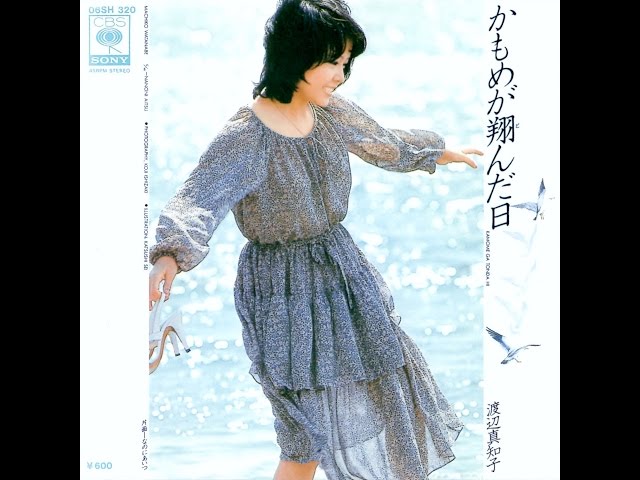
Set in a port town, this gem of a ballad poignantly portrays the pain of heartbreak.
Against the glittering morning seascape, the singer overlays her feelings for a departing lover onto a single seagull, creating a moving masterpiece.
Released in April 1978, it became one of Machiko Watanabe’s signature songs, peaking at No.
5 on the Oricon charts.
The track won numerous music awards and drew attention to her as a rising talent among female singers.
In 2007, it was adopted as a Chiba Lotte Marines cheer song, with a special stadium version also released.
A performance by Japan’s dance team Avantgardey, featuring their unique choreography, garnered significant buzz and boosted the song’s recognition among younger audiences.
It’s a recommended listen for anyone who can relate to a woman quietly accepting the pain of lost love, or for those who wish to revisit youthful memories alongside the scenery of a harbor town.
Beautiful NameGodaigo

This is Godiego’s ninth single, released in 1979.
As a supporting song for the International Year of the Child and through NHK’s “Minna no Uta,” it was frequently heard in living rooms across Japan.
Let your body sway to the pleasant sound that blends Japanese and English.
The Never-Ending SongTHE BLUE HEARTS

Being a misfit in society is overwhelmingly more sad than not, but when it comes to listening to this song, it’s designed so that people who have lived in such circumstances come out ahead.
There’s probably no other song where slang like “piece of crap” or “scum” sounds this gentle.
High-Teen BoogieGorin Mayumi

This is the seventh single, released in 1982, which also served as the theme song for the film High Teen Boogie.
With lyrics by Takashi Matsumoto and music by Tatsuro Yamashita, it’s a number brimming with a sense of speed and youthful energy.
Try singing it while appreciating its high level of quality.
Light Blue RainYagami Junko

Despite the high pitch, what moves me most is Junko Yagami’s overwhelming, frighteningly stable vocal ability.
I heard the lyrics came to her on a whim while walking in Harajuku.
Is that how it is for all singer-songwriters? It’s amazing to come up with an idea so effortlessly, quickly turn it into a song like this, and have it become a hit.
Premonition of Loveanzenchitai

With lyrics by Yosui Inoue and music by Koji Tamaki, this is Anzen Chitai’s seventh single.
It was also featured in an airline’s TV commercial and became a hit, reaching as high as No.
3 on the Oricon charts.
Koji Tamaki’s vocal prowess and voice seize your heart no matter how many times you listen.