

Old songs from the Showa to Heisei eras: a collection of timeless classics loved across generations

These days, thanks to the widespread use of Spotify and Apple Music, people of all ages can easily listen to a wide variety of songs.
Social media platforms like TikTok have also sparked an increase in older songs becoming revival hits among young people.
In this article, we’ll be showcasing a selection of hit tracks from the Showa and Heisei eras all at once!
There are plenty of timeless masterpieces that haven’t lost their charm, so take this opportunity to give them another listen.
- [Songs from the Showa Era] Introducing classic tracks that are easy to sing at karaoke.
- Showa-era love songs: A roundup of timeless love songs cherished across generations
- Showa-era songs that went viral on TikTok / revival hit songs
- [Classic Showa Kayō Hits] The captivating Showa-era pop songs beloved even by younger generations
- Songs from the Heisei retro era that will get any generation excited! Timeless tracks you’ll want to listen to now.
- Popular Showa-era pop. Timeless hit songs.
- Revival hits driven by social media! Classic Showa-era songs popular with Gen Z
- [Nostalgic Songs] A compilation of classic anime themes that hit home for those born in the Showa and Heisei eras
- Evokes the charm of the good old days. Showa-era inspirational songs that are still loved today.
- Hits that resonate across generations! Popular 1990s songs on TikTok
- [Showa Era] A Collection of Enka Hits: Timeless Classics Loved Across Generations
- Thrilling to Cool Showa-Era Tunes! Classic Songs from Female Singers and Artists of the Showa Period
- Songs to Enjoy in Summer! Classic Hits Special (Showa & Heisei)
Old songs from the Showa to Heisei eras. A collection of timeless classics loved across generations (91–100)
Yearning for youFuranku Nagai

The original song dates back to 1922 (Taisho 11), making it very old, but it was given a rhythmic arrangement and released in 1961, becoming a hit.
It has exactly the atmosphere of mood kayō, resulting in a romantic piece.
The two were young.Ozaki Kiyohiko
Released in March 1972, this song is a wonderful piece that lightly conveys the mood of a sorrowful love within a light, cheerful melody.
Kiyohiko Ozaki, who turned “Mata Au Hi Made” into a massive hit with his overwhelming vocal power, has countless hidden masterpieces, in my opinion.
draft (cold air seeping through gaps)Sugi Ryōtarō

This song, with its nihilistic vocals tinged with mature allure and melancholy, is filled with a gentle kindness that softly teaches warmth to those who’ve been betrayed and can no longer trust, so they can live humanly again.
It’s a Showa-era classic that will surely bring solace to modern people who are easily hurt by human relationships.
Do whatever the hell you want.sawada kenji
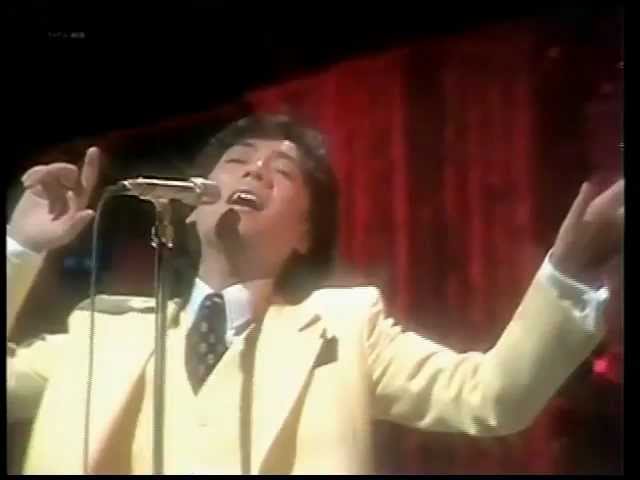
This is a song that continues to be loved as a quintessential Showa-era pop classic.
Its striking chorus sticks in your ears and resonates with your heart every time you listen.
It portrays the complex emotions of a heartbroken man with a chic, mature melancholy, showcasing Kenji Sawada’s charm to the fullest.
Released in May 1977, it spent five consecutive weeks at No.
1 on the Oricon weekly chart and ranked fourth on the year-end chart.
It became a massive hit, selling 890,000 copies.
It’s a must-listen not only for those nursing a broken heart, but also for younger listeners who admire adult romance.
Why not let yourself be intoxicated by Kenji Sawada’s captivating vocals?
HERO (The time to become a hero is now)Kai Band

This is a signature song by Kai Band that was featured in a watch commercial and even reached No.
1.
Back then, there was a trend among rock and new music artists to avoid appearing on music programs.
Kai Band, too, would only appear via remote broadcasts from separate locations and wouldn’t speak directly with the MC—an approach to appearances that seems a bit unusual today.
foreignerKUBOTA Saki

With its strikingly exotic vibe, the song captures listeners’ hearts, enhanced by Saki Kubota’s sultry vocals.
Released in October 1979, it was also featured in a Sanyo Electric commercial and reached No.
1 on the Oricon chart in December of the same year.
It became a massive hit, selling over one million records.
The song’s allure lies in its foreign, evocative melody and lyrics that resonate deeply.
It may be the perfect track for those looking to heal the pain of heartbreak or feeling the loneliness of a new environment.
Boat SongYashiro Aki

One of the quintessential masterpieces of the Showa era, this gem of a ballad resonates in the hearts of many.
Sung by Aki Yashiro, whose unique phrasing and emotionally rich voice are its allure, the song was released in May 1979.
Its lyrics vividly depict the atmosphere of an izakaya, delicately expressing a lingering longing for a former lover.
The piece became even more widely remembered when a scene featuring Yashiro herself singing it was included in the 1981 film “Station.” It’s the perfect song for savoring a quiet drink or immersing yourself in nostalgic memories.