

Old songs from the Showa to Heisei eras: a collection of timeless classics loved across generations

These days, thanks to the widespread use of Spotify and Apple Music, people of all ages can easily listen to a wide variety of songs.
Social media platforms like TikTok have also sparked an increase in older songs becoming revival hits among young people.
In this article, we’ll be showcasing a selection of hit tracks from the Showa and Heisei eras all at once!
There are plenty of timeless masterpieces that haven’t lost their charm, so take this opportunity to give them another listen.
- [Songs from the Showa Era] Introducing classic tracks that are easy to sing at karaoke.
- Showa-era love songs: A roundup of timeless love songs cherished across generations
- Showa-era songs that went viral on TikTok / revival hit songs
- [Classic Showa Kayō Hits] The captivating Showa-era pop songs beloved even by younger generations
- Songs from the Heisei retro era that will get any generation excited! Timeless tracks you’ll want to listen to now.
- Popular Showa-era pop. Timeless hit songs.
- Revival hits driven by social media! Classic Showa-era songs popular with Gen Z
- [Nostalgic Songs] A compilation of classic anime themes that hit home for those born in the Showa and Heisei eras
- Evokes the charm of the good old days. Showa-era inspirational songs that are still loved today.
- Hits that resonate across generations! Popular 1990s songs on TikTok
- [Showa Era] A Collection of Enka Hits: Timeless Classics Loved Across Generations
- Thrilling to Cool Showa-Era Tunes! Classic Songs from Female Singers and Artists of the Showa Period
- Songs to Enjoy in Summer! Classic Hits Special (Showa & Heisei)
Old songs from the Showa to Heisei eras: A collection of timeless classics loved across generations (11–20)
UFOpinku redii

Speaking of classic Showa-era hits, this song is indispensable.
Its unique lyrics about a romance with an alien and its catchy melody are irresistible.
The fresh storyline—of a woman bored with Earth men who falls in love with an extraterrestrial—sparks listeners’ imaginations.
Released in December 1977, it became a massive hit, selling about 1.55 million copies.
It also won the 20th Japan Record Award, dominating the music scene of the time.
The song was used in a Nissin Yakisoba U.F.O.
commercial and remains beloved across generations.
It’s highly recommended for fans of sci-fi films and those interested in innovative lyrics.
Silhouette RomanceOhashi Junko

This song was created as the image song for a romance novel label published by Sanrio in collaboration with Silhouette.
The lyrics were written by Etsuko Kisugi and the music composed by her brother, Takao Kisugi.
Although its initial performance was lackluster, it gradually sold and became a long-running hit.
It is a love ballad that has been covered by musicians across a wide range of genres, including Fuyumi Sakamoto and Keisuke Kuwata.
Strawberry Statement Once Againbanban

When I was a child, I won tickets to a live public recording of a Kansai local radio show, and the song Banba Hirofumi sang there still stays with me.
I imagine many people also looked up what kind of movie the title, “Strawberry Statement Once Again,” referred to.
Youth takes many forms depending on the era, but regardless of generation, the song poignantly captures emotions you can only feel at that time in your life, and I related to it deeply.
A Hazy Moonlit Nightshouka
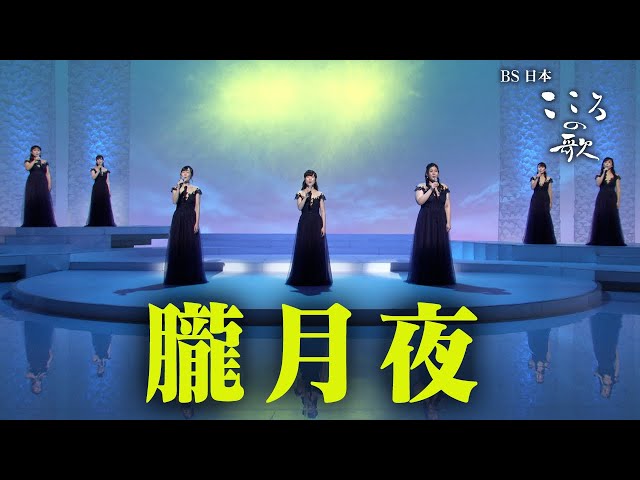
A song that beautifully portrays a spring evening depicts, with delicate nuance, a scene where the setting sun and haze spread over a field of rapeseed blossoms, and a pale moonlight floats in the sky.
Alongside the tranquil countryside, it gently embraces quintessential images of spring in Japan—the hues of the forest, people walking along rice-field paths, the croaking of frogs, and the tolling of bells.
Released in 1914 as a Ministry of Education school song, the work seamlessly marries lyrics by Tatsuyuki Takano with music by Teiichi Okano, and it has long been cherished in educational settings.
It has continued to be loved across generations, with Aiko Moriyama covering it in 2009 and Ai Nishida performing it on a program in June 2023.
As a song to hear on a calm spring evening, it offers a warmth that deeply touches the heart.
Even though it’s springKashiwabara Yoshie

This is a 1983 hit song by Yoshie Kashiwabara, who was at the peak of her idol career at the time.
The lyrics and music are by Miyuki Nakajima.
It’s a song about graduation that portrays a bittersweet maiden’s heart, and I’m drawn to the unique beauty of her melody.
She also self-covered it on her 1989 album Kaikinetu (Return Heat).
Kanda Riverkaguya hime

Even if you didn’t live through it in real time, this million-selling song by Kaguyahime lets you imagine what things were like around 1973.
It must have represented the youth of the time so well that a monument with its lyrics was erected in a park in Nakano, Tokyo.
It’s not a bright song, and the performance and vocals aren’t particularly striking, yet it somehow sinks deep into the heart.
Old songs from the Showa to Heisei eras: A roundup of timeless classics loved across generations (21–30)
March of 365 StepsSuizenji Kiyoko

When it comes to iconic Showa-era kayōkyoku, this song by Kiyoko Suizenji is a standout classic! More than half a century after its release, it continues to be loved by many.
As an anthem for life, it conveys the importance of always facing forward and keeping on walking.
The lyrics, infused with Buddhist teachings and the spirit of tea ceremony, carry deep meaning.
Released in November 1968, it became an instant hit.
The following year, it was selected for the NHK Kōhaku Uta Gassen and as the entrance march for the National High School Baseball Invitational Tournament, earning widespread affection.
The piece delivers a positive message that the small steps we take each day will eventually lead to great achievements.
It’s a song we’d love anyone who’s striving—or in need of encouragement—to hear!