

Classic and hit J-pop songs from the nostalgic ’90s

In the 1990s, when CDs sold explosively, countless artists produced signature songs that still stand the test of time.
From among the J-Pop hits that defined the ’90s, this article introduces classic and hit tracks recommended by our studio staff.
We’ve picked a variety of songs: theme songs from smash-hit dramas, beloved karaoke staples everyone in Japan has sung, and timeless favorites cherished across generations.
Be sure to check out this legendary playlist that reshaped the history of Japanese pop music—tracks that will never fade!
- Iconic ballads of 90s J-pop: nostalgic mega-hits and fan favorites
- Popular Nostalgic Songs: J-Pop Ranking [1990s Japanese Music Ranking]
- Nostalgic Yet Everlasting: Classic Hits by 1990s Idol Singers
- [J-Rock] Timeless masterpieces that colored the 1990s. Nostalgic hit songs.
- Classic and hit songs by nostalgic Japanese bands from the 1990s
- [Heisei Retro] Hit Japanese songs that defined the 1990s. Recommended J-POP classics.
- Ranking of Popular Songs by Female Singer-Songwriters of the 1990s [2026]
- 1990s Male Singer-Songwriters: Popular Song Rankings [2026]
- Showa-era classic songs that brightened the 1990s
- Popular 80s hits for karaoke. Sing kayōkyoku and pop songs!
- All big hits! A roundup of classic J‑Pop songs that were popular in 2000
- Tear-jerking J-pop from the ’90s. Hit songs and real tearjerkers.
- A collection of nostalgic hits from the Heisei era: Let’s look back at iconic songs from the 1990s and 2000s.
Classic and Hit Japanese Pop Songs from the Nostalgic ’90s (61–70)
The wind is dancing outside the window.SUPER BUTTER DOG

A song imbued with the desire to pause amid the busyness of daily life and cherish time to face your own heart—its exquisite melody is truly captivating.
The ambitious work SUPER BUTTER DOG released in November 1997 captured many hearts with its sprightly rhythms that fuse funk and rock, and lyrics so delicate they seem to seep into the soul.
Takashi Nagazumi’s vocals gently envelop inner tremors, loneliness, and hope, leaving a lasting impression.
It also made waves as the opening theme for TBS’s music program “BLITZ INDEX,” and was included on the album “FREEWAY.” This track is perfect for those moments when you’re worn out by hectic days or want to take a slow, honest look at yourself.
Loved by many as a warm song that quietly gives you a nudge forward when your heart feels a bit heavy.
cream sodaSUPERCAR

This song portrays emotions swaying between the fleeting nature of youth and the realities of life.
As SUPERCAR’s debut single, it’s marked by a refreshing sound that fuses shoegaze and guitar pop, and by wistful lyrics that weave together dreams and longing.
Koji Nakamura’s delicate melodies intertwine with Junji Ishiwatari’s poetic words, gently resonating in the heart.
Released by Epic Records Japan in September 1997, it was also included on the album Three Out Change.
It’s a track with a peculiar charm that can summon nostalgic memories when you listen to it during a drive, at dusk, or in those slightly melancholic moments.
A town where it snowsUNICORN

This is a classic song that gently captures scenes of a snowy town at year’s end.
Released by UNICORN in December 1992, it was originally planned as a Christmas song but was reworked into a year-end song.
Set to a shuffle beat with a melody line reminiscent of the mid-period Beatles, it beautifully contrasts the bustle and the quiet of late December.
The worldview woven from candid feelings about the city’s hectic pace and a nostalgia for the falling snow continues to resonate with many listeners.
Also used as the ending theme for TBS’s “Totsuzen Variety Sokuhō!! COUNT DOWN 100,” this is a track you’ll want to play when you’re seeking a bit of calm at the busy close of the year or on a quiet night thinking of someone special.
Summer Days of 1993class

This is a gem of a ballad, colored by a refreshing acoustic sound and a melody that lingers in the heart.
It delicately portrays the subtle emotional shifts from friendship to romance, resulting in a song that gently embraces a love that suddenly blossoms.
class released this as their debut single in April 1993, and it was used as the opening theme for “Kimi to Itsumademo” and as a commercial song for Saison Card.
It was also included on the albums “Mellow Prism” and “CLASSIX,” and became a massive hit, selling over 1.7 million copies.
Fifteen years later, in 2008, an answer song—effectively a continuation of the story—was released.
It’s a recommended track for those who want to look back on memories with someone dear, or who resonate with the secret feelings of love held for a long-time friend.
Singin’ in the Rainthe pillows

In May 1991, the Pillows included an ambitious track—marking their major-label debut—on the album Moon Gold.
The story begins as the protagonist arrives in a rain-soaked city in search of a new life, vividly capturing a youthful moment of setting out on a journey of self-discovery, despite loneliness and uncertainty.
Inspired by the American film Singin’ in the Rain, the song blends a bright, sprightly melody with energetic performance to create a hopeful piece.
Sawao Yamanaka’s passionately charged vocals, together with the layered sound crafted by the entire band, are sure to resonate deeply with listeners.
It’s a song that gently nudges you forward when you’re trying to face ahead or take a new first step.
Like tonight’s moonElefanto Kashimashi
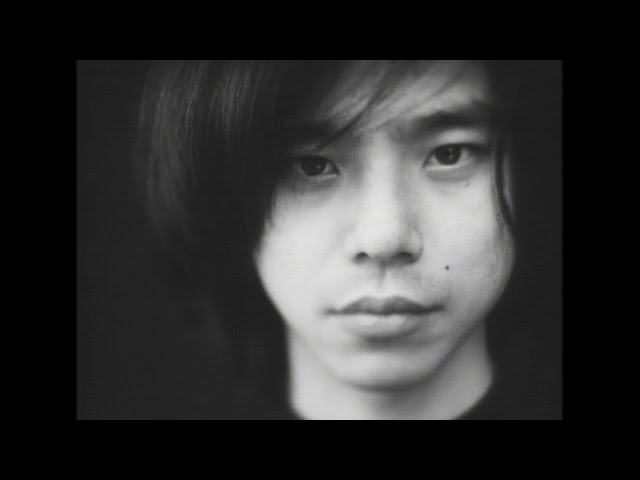
A signature song by Elephant Kashimashi, it sublimates the feeling of a heart wavering between everyday nihilism and hope into something beautiful.
The dramatic melody and Hiroji Miyamoto’s impassioned vocals resonate deeply with listeners.
Released by Pony Canyon in July 1997, it was used as the theme song for the drama “Because the Moon Shines at Night.” It became the band’s first entry into the Oricon Weekly Top 10 and a major hit with total sales of about 800,000 copies.
When you’re worn out by relationships or work and listen to this song, you can sense someone who struggles just like you yet still tries to face forward and live.
Like gentle moonlight softly illuminating the night, this is a song that stays close to your heart.
Young PeopleSanīdēi Sābisu

This is a song whose vocals seep into the heart like gentle sunlight, paired with a strikingly beautiful melody.
Through small everyday moments and scenery, it portrays the delicate emotions of adolescence—anxieties and conflicts about growing up, and the uncertainty of staying true to oneself.
The vocals are understated yet leave a deep afterglow, and the simple but richly expressive performance draws you into its world.
Released in April 1995 on Sunny Day Service’s major-label debut album “Wakamonotachi,” it has long been cherished as one of the band’s signature works.
It’s best enjoyed on a quiet night, alone with your thoughts.
You may find that the unspoken feelings in your heart are gently embraced.