

Classic and hit J-pop songs from the nostalgic ’90s

In the 1990s, when CDs sold explosively, countless artists produced signature songs that still stand the test of time.
From among the J-Pop hits that defined the ’90s, this article introduces classic and hit tracks recommended by our studio staff.
We’ve picked a variety of songs: theme songs from smash-hit dramas, beloved karaoke staples everyone in Japan has sung, and timeless favorites cherished across generations.
Be sure to check out this legendary playlist that reshaped the history of Japanese pop music—tracks that will never fade!
- Iconic ballads of 90s J-pop: nostalgic mega-hits and fan favorites
- Popular Nostalgic Songs: J-Pop Ranking [1990s Japanese Music Ranking]
- Nostalgic Yet Everlasting: Classic Hits by 1990s Idol Singers
- [J-Rock] Timeless masterpieces that colored the 1990s. Nostalgic hit songs.
- Classic and hit songs by nostalgic Japanese bands from the 1990s
- [Heisei Retro] Hit Japanese songs that defined the 1990s. Recommended J-POP classics.
- Ranking of Popular Songs by Female Singer-Songwriters of the 1990s [2026]
- 1990s Male Singer-Songwriters: Popular Song Rankings [2026]
- Showa-era classic songs that brightened the 1990s
- Popular 80s hits for karaoke. Sing kayōkyoku and pop songs!
- All big hits! A roundup of classic J‑Pop songs that were popular in 2000
- Tear-jerking J-pop from the ’90s. Hit songs and real tearjerkers.
- A collection of nostalgic hits from the Heisei era: Let’s look back at iconic songs from the 1990s and 2000s.
Classic and Hit Japanese Pop Songs from the 90s (1–10)
AutomaticUtada Hikaru
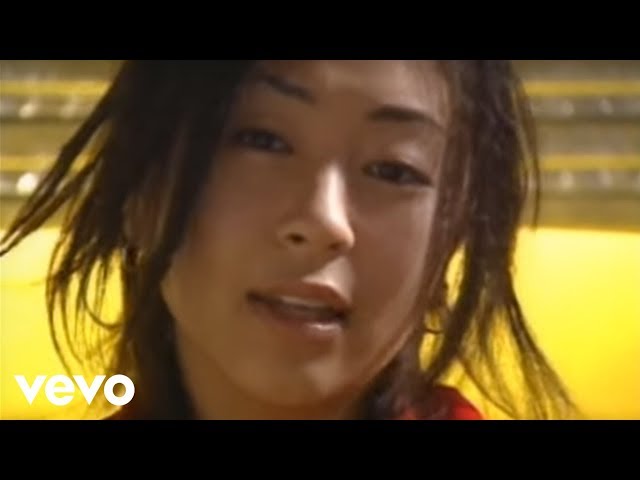
Utada Hikaru’s debut single, released in 1998.
She suddenly appeared on Japan’s music scene at the height of the Komuro Family era, and though still in her teens, she shot to fame with mature lyrics and vocal prowess that belied her age.
Love Story Comes SuddenlyOda Kazumasa

It’s a classic love song that has been covered by many artists, including Kyogo Kawaguchi, Twelve Girls Band, and BENI.
It has also been covered in English.
Used as the theme song for the hugely popular Monday 9 p.m.
drama “Tokyo Love Story,” it became a social phenomenon.
survival dAnce 〜no no cry more〜TRF

With the concept that “just having the group at a live venue turns the place into a disco,” TRF is a dance and vocal group also known as a pioneer of the TK boom that swept the 1990s.
Their 6th single, “survival dAnce ~no no cry more~,” was used as the theme song for the TV drama ‘17-sai – at seventeen -.’ The contrast between the relaxed first verse and the high-energy chorus lifts your spirits just by listening.
It’s a catchy party tune that gets everyone singing along and fired up at karaoke.

Classic and Hit J-Pop Songs from the Nostalgic ’90s (11–20)
As I love and as I please, you’re the only one I won’t hurt.B’z

A quintessential number from Japan’s rock scene leaders, B’z, released in 1993.
It was used as the theme song for the drama “Journey to the West,” in which Masahiro Motoki played Sun Wukong, and it became B’z’s biggest hit single.
A powerful track that topped the Oricon Weekly Singles Chart for four consecutive weeks.
LOVE LOVE LOVEDREAMS COME TRUE

DREAMS COME TRUE is a band celebrated for its overwhelmingly powerful vocals—unusual by Japanese standards—and songs that are funky yet imbued with the sensibility of J-pop.
Their 18th single, “LOVE LOVE LOVE,” released as a double A-side with “Arashi ga Kuru” (“A Storm Is Coming”), was used as the theme song for the TV drama “Aishiteiru to Itte Kure” (“Say You Love Me”).
Its clear, translucent ensemble and love-filled message create a soothing charm that draws you in.
Among DREAMS COME TRUE’s many singles, it boasts the highest sales and stands as a quintessential ballad representing the J-pop scene of the 1990s.
Hello, Again ~A place that has existed since long ago~My Little Lover

A song by My Little Lover known as an iconic hit of the ’90s.
Released in August 1995, it was used as the opening theme for the NTV drama “Owaranai Natsu” (Endless Summer).
This piece sings of the courage and hope to take a new step forward while recalling nostalgic places and cherished people.
Its bittersweet yet warm melody resonates with many listeners.
It topped the Oricon Singles Chart and became a long-running hit, staying on the charts for 23 weeks.
It’s a perfect song for those who have left their hometown or experienced parting from someone important.
Be sure to give it a listen.
Just by you being herekome kome CLUB

This is one of Kome Kome Club’s signature songs, known for its deeply moving melody and lyrics.
Released in 1992, it was used as the theme song for the Fuji TV drama “Sugao no Mama de” (“Just the Way You Are”).
It became a mega-hit with 2.89 million copies sold and even turned into a social phenomenon.
Reportedly composed by Tatsuya Ishii in just 30 minutes, the song was crafted to broaden its appeal by singing about a “view of life.” It conveys the strength one gains from a loved one’s presence and gratitude for that presence.
It’s a song that can be enjoyed not only by those in love but also by people on their own.
Highly recommended when you want to express your feelings to someone special or show appreciation for someone’s presence in your life.