

Classic and hit J-pop songs from the nostalgic ’90s

In the 1990s, when CDs sold explosively, countless artists produced signature songs that still stand the test of time.
From among the J-Pop hits that defined the ’90s, this article introduces classic and hit tracks recommended by our studio staff.
We’ve picked a variety of songs: theme songs from smash-hit dramas, beloved karaoke staples everyone in Japan has sung, and timeless favorites cherished across generations.
Be sure to check out this legendary playlist that reshaped the history of Japanese pop music—tracks that will never fade!
- Iconic ballads of 90s J-pop: nostalgic mega-hits and fan favorites
- Popular Nostalgic Songs: J-Pop Ranking [1990s Japanese Music Ranking]
- Nostalgic Yet Everlasting: Classic Hits by 1990s Idol Singers
- [J-Rock] Timeless masterpieces that colored the 1990s. Nostalgic hit songs.
- Classic and hit songs by nostalgic Japanese bands from the 1990s
- [Heisei Retro] Hit Japanese songs that defined the 1990s. Recommended J-POP classics.
- Ranking of Popular Songs by Female Singer-Songwriters of the 1990s [2026]
- 1990s Male Singer-Songwriters: Popular Song Rankings [2026]
- Showa-era classic songs that brightened the 1990s
- Popular 80s hits for karaoke. Sing kayōkyoku and pop songs!
- All big hits! A roundup of classic J‑Pop songs that were popular in 2000
- Tear-jerking J-pop from the ’90s. Hit songs and real tearjerkers.
- A collection of nostalgic hits from the Heisei era: Let’s look back at iconic songs from the 1990s and 2000s.
Classic and Hit J-Pop Songs from the Nostalgic ’90s (11–20)
Longing, poignancy, and strength of heartShinohara Ryōko

Known as an iconic song of the 1990s, this track was brought to life by Ryoko Shinohara’s vocals under the production of Tetsuya Komuro.
The lyrics convey both a deep passion for the one you love and a gentle desire to watch over them.
Released in July 1994, it was also chosen as the theme song for the animated film Street Fighter II: The Movie.
With its powerful melody and Shinohara’s clear, soaring vocals, it’s a song that makes you want to cheer on the person you love.
Give it a listen whenever you want to feel your affection for someone special.
LA LA LA Love SongKubota Toshinobu
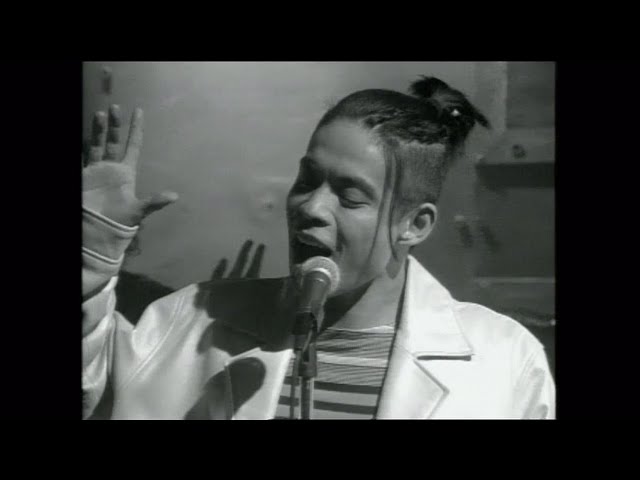
A song that gained popularity as the theme for the drama Long Vacation, starring Takuya Kimura and Tomoko Yamaguchi.
Set to a bright, upbeat tune, it sings about the thrill of new love.
It also drew attention at the time because supermodel Naomi Campbell participated in the chorus.
WOW WAR TONIGHT ~Sometimes Start a Movement~H Jungle with T

A sensational work that defined the ’90s! Born from the unlikely collaboration between Masatoshi Hamada and Tetsuya Komuro, the song topped the Oricon charts for seven consecutive weeks and sold a total of 2.135 million copies.
This piece sings about the importance of stepping away from the busyness of everyday life and taking time to relax with friends.
It features an innovative sound incorporating jungle beats and lyrics that capture the feelings of working adults.
Released in March 1995, its message—reflecting the post-bubble recession and the era of the super-strong yen—became a source of support for many.
It’s a track that reminds those leading hectic lives to pause and be kind to themselves.
LOVE MachineMōningu Musume.

A signature hit of the ’90s, this Morning Musume track sings of hope for a bright future atop a catchy, poppy melody.
Released in September 1999, it became their first million-seller and captured many hearts, topping the Oricon karaoke chart for 17 consecutive weeks.
Though centered on love, its lyrics brim with optimism and positive energy that lift the listener’s spirits.
Also used as the opening theme for TV Tokyo’s “Find the Idol!,” it’s the perfect song when you want to brighten your mood or get a boost of energy.
Love will winKAN

The eighth single released in 1990 by singer-songwriter KAN.
It topped the Oricon charts for eight consecutive weeks and won the Japan Record Award that same year.
As an uplifting life anthem conveying that you can overcome anxiety if you believe in love, it has been cherished by many people for years.
Timing ~Timing~Burakku Bisukettsu

Formed within the Ucchan Nanchan TV show as a rival to Chiaki-led Pocket Biscuits.
The members were Vivian Hsu, Nambaru from Ucchan Nanchan, and Amano from Kyaeen.
Although they were originally portrayed on the show as a trio of villains who interfered with Pocket Biscuits, after releasing this song they gained popularity as a musical unit.
90s nostalgic Japanese pop masterpieces and hit songs (21–30)
White LoveSPEED

A romantic ballad from SPEED that evokes the arrival of winter, likening pure, bittersweet feelings of love to white snow! Released in October 1997, this song topped the Oricon Weekly Singles Chart.
With total sales exceeding 1.84 million copies, it became their biggest hit.
It was also featured in a Shiseido “Tessera Angel Drop” commercial.
The lyrics sing of miraculous encounters and a wish for love that will shine forever.
It’s the perfect track for those whose hearts are fluttering at the start of a new romance or who want to feel a deep bond with someone special.