



In the 1990s, when CDs sold explosively, countless artists produced signature songs that still stand the test of time.
From among the J-Pop hits that defined the ’90s, this article introduces classic and hit tracks recommended by our studio staff.
We’ve picked a variety of songs: theme songs from smash-hit dramas, beloved karaoke staples everyone in Japan has sung, and timeless favorites cherished across generations.
Be sure to check out this legendary playlist that reshaped the history of Japanese pop music—tracks that will never fade!
- Iconic ballads of 90s J-pop: nostalgic mega-hits and fan favorites
- Popular Nostalgic Songs: J-Pop Ranking [1990s Japanese Music Ranking]
- Nostalgic Yet Everlasting: Classic Hits by 1990s Idol Singers
- [J-Rock] Timeless masterpieces that colored the 1990s. Nostalgic hit songs.
- Classic and hit songs by nostalgic Japanese bands from the 1990s
- [Heisei Retro] Hit Japanese songs that defined the 1990s. Recommended J-POP classics.
- Ranking of Popular Songs by Female Singer-Songwriters of the 1990s [2026]
- 1990s Male Singer-Songwriters: Popular Song Rankings [2026]
- Showa-era classic songs that brightened the 1990s
- Popular 80s hits for karaoke. Sing kayōkyoku and pop songs!
- All big hits! A roundup of classic J‑Pop songs that were popular in 2000
- Tear-jerking J-pop from the ’90s. Hit songs and real tearjerkers.
- A collection of nostalgic hits from the Heisei era: Let’s look back at iconic songs from the 1990s and 2000s.
Classic and Hit Japanese Pop Songs from the 90s (1–10)
Robinsonsupittsu

A smash hit by Spitz released in April 1995! It was featured on Fuji TV variety shows and used as an insert song in the drama “Shiroi Sen Nagashi,” leaving a lasting impression on many listeners.
Characterized by a floating, airy melody and striking guitar arpeggios, its lyrics explore themes of loneliness and self-discovery.
It also depicts the yearning for a utopia, expressing the emotions of the end of youth and the transition into adulthood.
Seamlessly blending Spitz’s musical sensibilities, the song won an Excellent Work Award at the Japan Record Awards and remains a beloved classic to this day.
Don’t give upZARD
Used as the theme song for the drama “Reiko Shiratori Desu,” this track is a poppy, motivational anthem that could be called one of ZARD’s signature songs.
The lyrics are highly uplifting, making it a song that gives you a push when you’re about to take on a challenge.
God of RomanceHirose Kōmi

When it comes to winter songs from the ’90s, this track by Kohmi Hirose is the one.
It was used in an ALPEN commercial at the time and became a massive hit, selling 1.75 million copies—a happy anthem for working single women.
Even after many years, it remains a beloved winter classic.
Listening to this song makes a lot of people want to head to a ski resort, doesn’t it?
I won’t fall in love anymore.Makihara Noriyuki
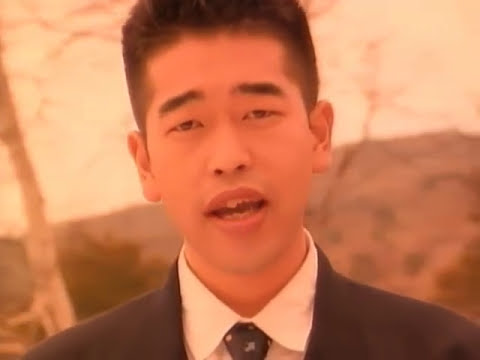
A signature song by Noriyuki Makihara released in 1992, sung with a straightforward and sincere voice that conveys a bittersweet man’s feelings of love.
It’s a poignant breakup ballad that portrays the trial-and-error days of a man who, after breaking up with the girlfriend he lived with, has to live alone, and the loneliness he feels without her.
At all times.Makihara Noriyuki

Let’s cherish our honest feelings—this message lies at the heart of one of Noriyuki Makihara’s signature songs.
Celebrating the importance of staying true to yourself, the track was released in June 1991 and became a massive hit, selling 1.67 million copies.
It was featured as the theme song for the film “No Problems at All on the Job Front” and used in a Kentucky Fried Chicken commercial, making it beloved across generations.
It’s a reassuring song that gives you a push when you’re at a crossroads or feeling uncertain.
Give it a listen, and keep walking forward as your true self.
HOWEVERGLAY
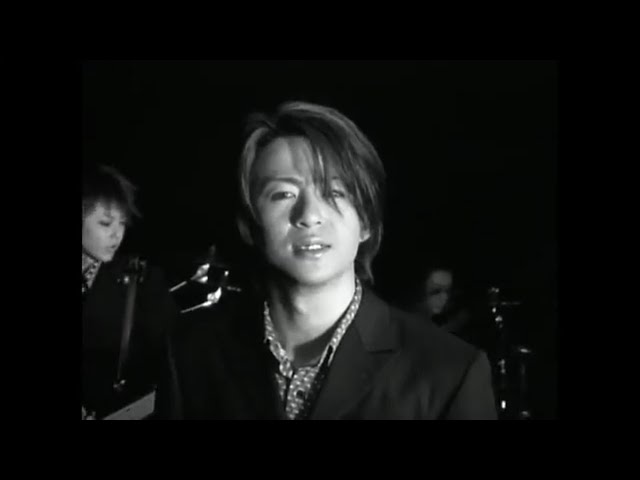
A song that sings of gentle love, it is known as one of GLAY’s signature works.
The lyrics, which express deep affection and the transience of life, touched many hearts, and upon its release in 1997 it quickly became a massive hit.
Written and composed by TAKURO, it was reportedly produced during his stay in London.
It was later selected as the theme song for the TBS drama “Ryodatsui Ai: Abunai Onna,” further boosting its popularity.
This is a recommended track for anyone who wants to feel the bond with someone precious.
The song continues to be cherished by GLAY fans to this day.
DEPARTURESglobe

This is globe’s breakthrough song that sings of the anticipation of a new departure.
It symbolically expresses breaking free from the stagnation of everyday life and the monotony within relationships.
Created by Tetsuya Komuro as the culmination of his musical endeavors, the track was released in January 1996 and became a massive hit, selling over 2.3 million copies.
It was also featured as the CM song for JR East’s “JR SKISKI” campaign, resonating with many listeners.
Highly recommended for those who want to feel hope for a fresh start or align their hearts with themes of love and adventure.
Listening to this song will surely set your heart dancing and make your chest swell with excitement for the future.