

Classic and hit J-pop songs from the nostalgic ’90s

In the 1990s, when CDs sold explosively, countless artists produced signature songs that still stand the test of time.
From among the J-Pop hits that defined the ’90s, this article introduces classic and hit tracks recommended by our studio staff.
We’ve picked a variety of songs: theme songs from smash-hit dramas, beloved karaoke staples everyone in Japan has sung, and timeless favorites cherished across generations.
Be sure to check out this legendary playlist that reshaped the history of Japanese pop music—tracks that will never fade!
- Iconic ballads of 90s J-pop: nostalgic mega-hits and fan favorites
- Popular Nostalgic Songs: J-Pop Ranking [1990s Japanese Music Ranking]
- Nostalgic Yet Everlasting: Classic Hits by 1990s Idol Singers
- [J-Rock] Timeless masterpieces that colored the 1990s. Nostalgic hit songs.
- Classic and hit songs by nostalgic Japanese bands from the 1990s
- [Heisei Retro] Hit Japanese songs that defined the 1990s. Recommended J-POP classics.
- Ranking of Popular Songs by Female Singer-Songwriters of the 1990s [2026]
- 1990s Male Singer-Songwriters: Popular Song Rankings [2026]
- Showa-era classic songs that brightened the 1990s
- Popular 80s hits for karaoke. Sing kayōkyoku and pop songs!
- All big hits! A roundup of classic J‑Pop songs that were popular in 2000
- Tear-jerking J-pop from the ’90s. Hit songs and real tearjerkers.
- A collection of nostalgic hits from the Heisei era: Let’s look back at iconic songs from the 1990s and 2000s.
Classic and hit J‑Pop songs from the nostalgic ’90s (31–40)
It’s love.V6
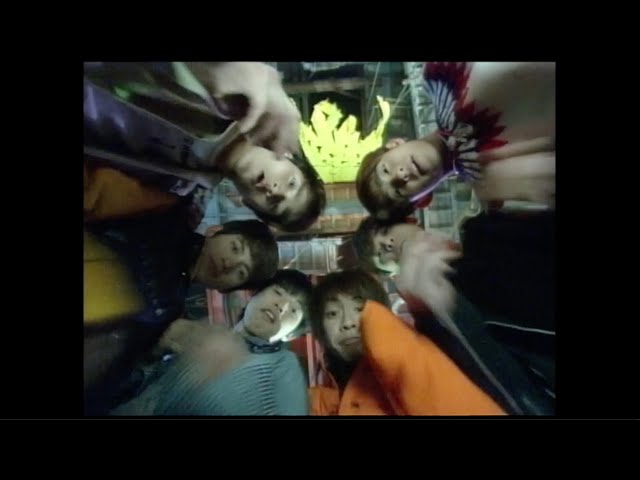
A gem of a ballad with lyrics by Goro Matsui and music by Koji Tamaki.
It portrays a protagonist who, lost and lonely, confronts their true feelings and finds the courage to take a new step forward.
Released in January 1997, it became V6’s first non-tie-in single to reach No.
1 on the Oricon Singles Chart.
The song is also included on the album “NATURE RHYTHM” in an arrangement that begins with the chorus.
With gentle lyrics that convey the importance of facing forward in life and a beautiful melody woven by Tamaki, it’s a track that stays close to the hearts of those standing at a crossroads.
Et cetera related to the seashorePUFFY

PUFFY, a female duo, are long-running artists who are still active today.
This track is from shortly after their breakthrough; the lyrics are hard to make sense of, but once you hear it, it sticks in your head and makes you want to start dancing along.
BOY MEETS GIRLTRF

At the time, TRF—an explosively popular five-member group consisting of a vocalist, a DJ, and dancers—released “BOY MEET GIRL,” a track that sings of the spirit of adventure for young people heading toward new encounters.
With vocalist YUKI’s powerful singing and the dancers’ performances that felt unlike anything typically seen in Japan, the song became a new dance anthem for the youth of that era.
I’m proudKahara Tomomi

This is a signature song by Tomomi Kahara, a central figure in the Komuro Family who took the 1990s by storm.
When the song was released, her relationship with Tetsuya Komuro also drew attention.
It’s a track that fully showcases her allure, with beautifully soaring, sustained high notes.
cherrysupittsu

A song that delicately captures the joys and bittersweet moments of youth was released in April 1996 and continues to be loved across generations.
The magical fusion of Spitz’s gentle melodies and poetic lyrics tenderly embraces a range of feelings—love, parting, and hope for the future.
Included on the album Indigo Chiheisen, it reached No.
1 on the Oricon weekly chart despite having no tie-in.
Since 2019, it has also been used in NTT East’s commercials, continuing to resonate with many people.
It’s a heartwarming track that stays close to those who carry feelings for someone dear and a faint sense of wistfulness, while holding hope for the future.
Classic and Hit J-Pop Songs from the 90s (41–50)
lipsGLAY

A masterpiece that sensually portrays a heartrending romance, it deftly captures emotions swaying between passion and desire.
The protagonist’s irrepressible impulses and a foreboding sense of love’s fragility fuse beautifully in this gem of a song.
Released in May 1997 by GLAY, it was used as the ending theme for Fuji TV’s music program “HEY! HEY! HEY! MUSIC CHAMP” and topped the Oricon Singles Chart.
That autumn, it was also included on the acclaimed album “REVIEW – BEST OF GLAY.” It’s a track that resonates deeply when you want to unleash the passion hidden in your heart or when your feelings for someone special are growing stronger.
The powerful performance and emotional vocals create a world that will gently embrace not only rock fans but also anyone struggling with love.
Soulmatesupittsu

A gem of a song whose delicate lyricism finds meaning in the small moments of everyday life, paired with a universal message that questions the nature of love in modern society.
Released as a single in November 1997, it is known as a work that symbolizes Spitz’s musical evolution.
The striking sound—where the warmth of acoustic guitar harmonizes with new approaches like breakbeats—reached No.
3 on the Oricon Weekly Singles Chart.
It also drew attention as the theme song for the 1999 film “Whisper of the Moonlight.” Highly recommended for those who want to listen alone on a calm night, or for anyone seeking emotional support at a crossroads in life.