

[For Seniors] July Knowledge-Boosting Quiz


July is when the summer heat really sets in.
Even active seniors may find themselves spending more time indoors.
That’s why we recommend quizzes related to July.
Quizzes are fun whether you’re alone or in a group, and they don’t require any materials.
They also stimulate the brain and can help prevent cognitive decline.
In this article, we introduce a variety of quizzes about July.
They cover summer foods, creatures, events, and kanji reading and writing—perfect for boosting your knowledge.
Give them a try!
- [For Seniors] Summer-Themed Quiz: A Collection of Fun Questions to Liven Up Recreational Activities
- For Seniors: Lively! Trivia and Fun Facts Quiz for August
- [For Seniors] Introducing Trivia Quizzes and Fun Facts About December
- [For Seniors] Trivia Quiz & Fun Facts for June
- [For Seniors] Boost Your Knowledge! Fun Trivia Quiz
- [For Seniors] Informative and Fun Obon Quiz
- [For Seniors] Fun and Informative! Health Trivia Quiz
- [For Seniors] Fun and Educational True-or-False Quiz
- [For Seniors] Lively Wordplay Game: Fun Recreation for Elderly Care
- [For Seniors] Recommended Trivia Quizzes & Fun Facts for November
- [For Seniors] Brain Training! Recall Quiz Collection!
- [For Seniors] July Trivia Quiz & Fun Facts. Easy and Engaging
- [For Seniors] Summer-Themed Trivia Quiz & Fun Facts Collection
[For Seniors] Knowledge-Boosting Quizzes for July (21–30)
What is the phenomenon where your head hurts when you eat something cold?
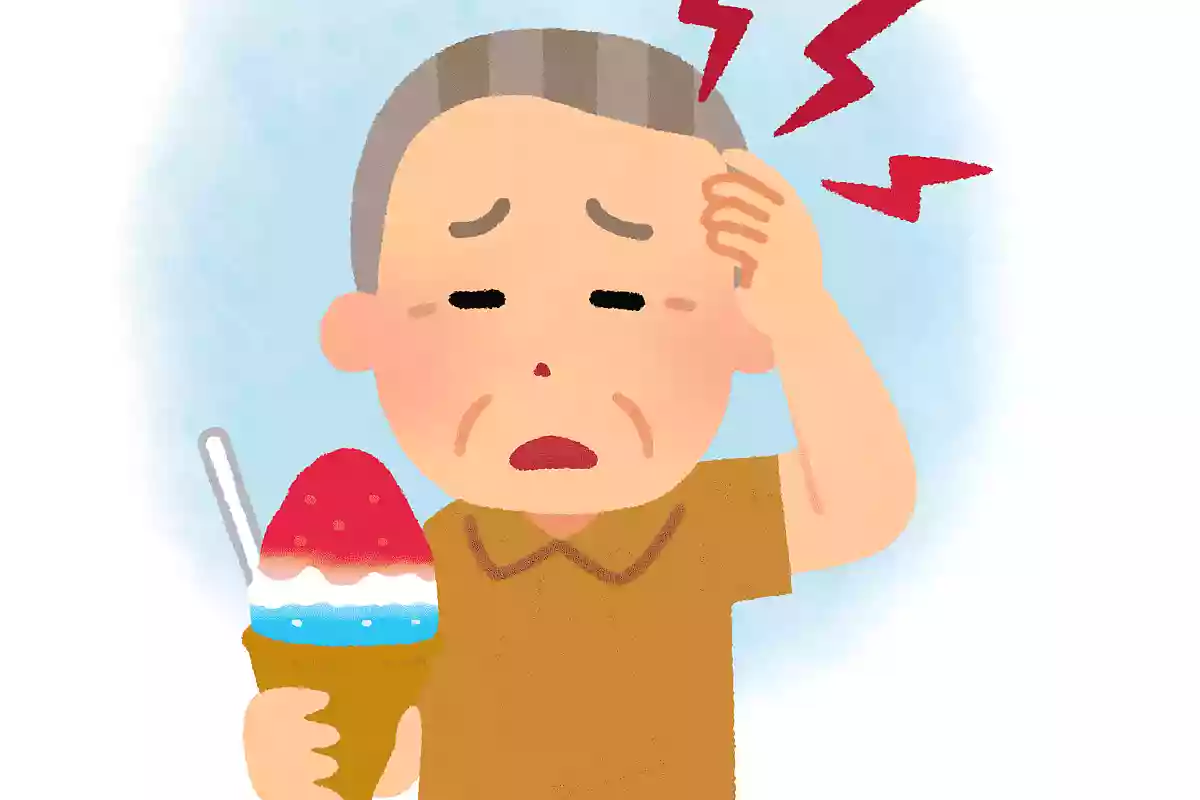
Cold foods like ice cream and shaved ice are essential for cooling down a body overheated by summer.
What’s tough, though, is the sharp headache you can get when you eat something cold.
It can make you worry that you’re coming down with something, or the pain can simply be intense—either way, it feels very negative.
Let’s learn about these headaches that occur when eating cold foods and how to prevent them.
This phenomenon is called “ice cream headache,” a name taken directly from its cause, and it’s said to occur when the nerves in the throat are stimulated or the blood vessels in the mouth are cooled.
To prevent it, take your time and eat slowly; to avoid the pain afterward, relax and savor your cold treats.

Which region is the birthplace of nagashi-sōmen?
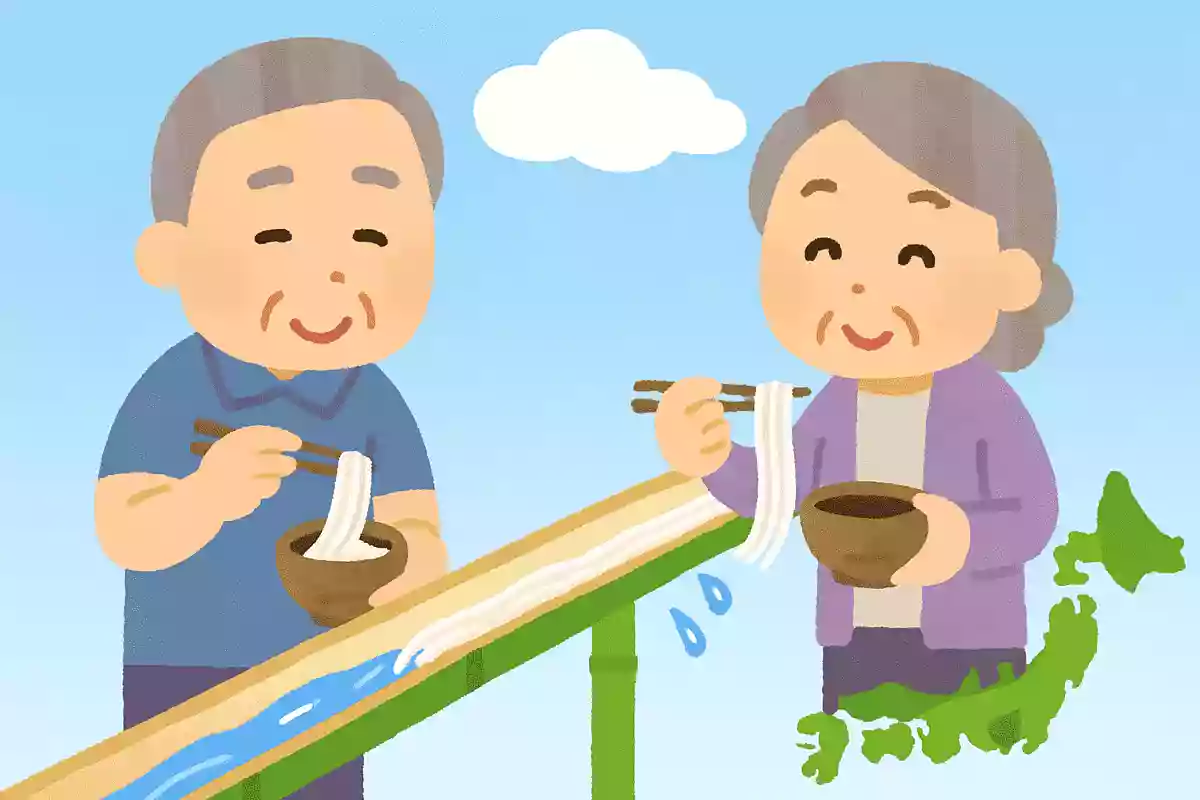
Speaking of summer, somen noodles are an essential food, aren’t they? They’re easy to eat even when the heat kills your appetite, and when served cold they help cool your overheated body.
There’s also nagashi-somen, where water and noodles are sent flowing down a split bamboo chute—a big summer tradition.
It’s said to have originated in Kyushu, beginning around the mid-1950s in Takachiho, Miyazaki Prefecture.
Using bamboo conveys a refreshing feel, but since preparation is a lot of work, people often substitute other materials instead.
Why are mosquito coils spiral-shaped?
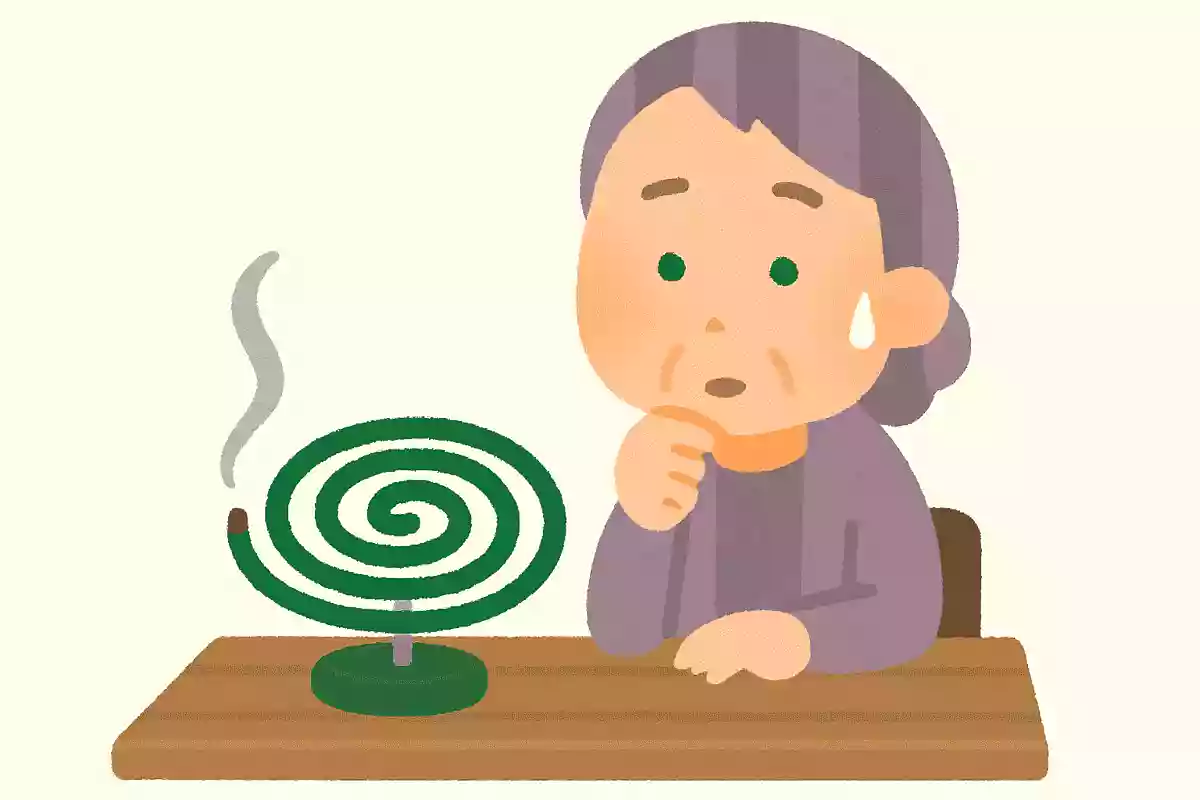
When summer is in full swing, mosquitoes seem to appear out of nowhere, and those itchy bites are one of the season’s biggest annoyances.
To prevent mosquito troubles, mosquito coils can be an effective item.
Their distinctive color and shape, along with the gently rising smoke, also signal the arrival of summer.
Many people have probably wondered why mosquito coils are shaped like a spiral.
The reason is very simple: it allows them to be used for a long time.
It’s a shape chosen for efficiency.
What tool were wind chimes used as in the past?
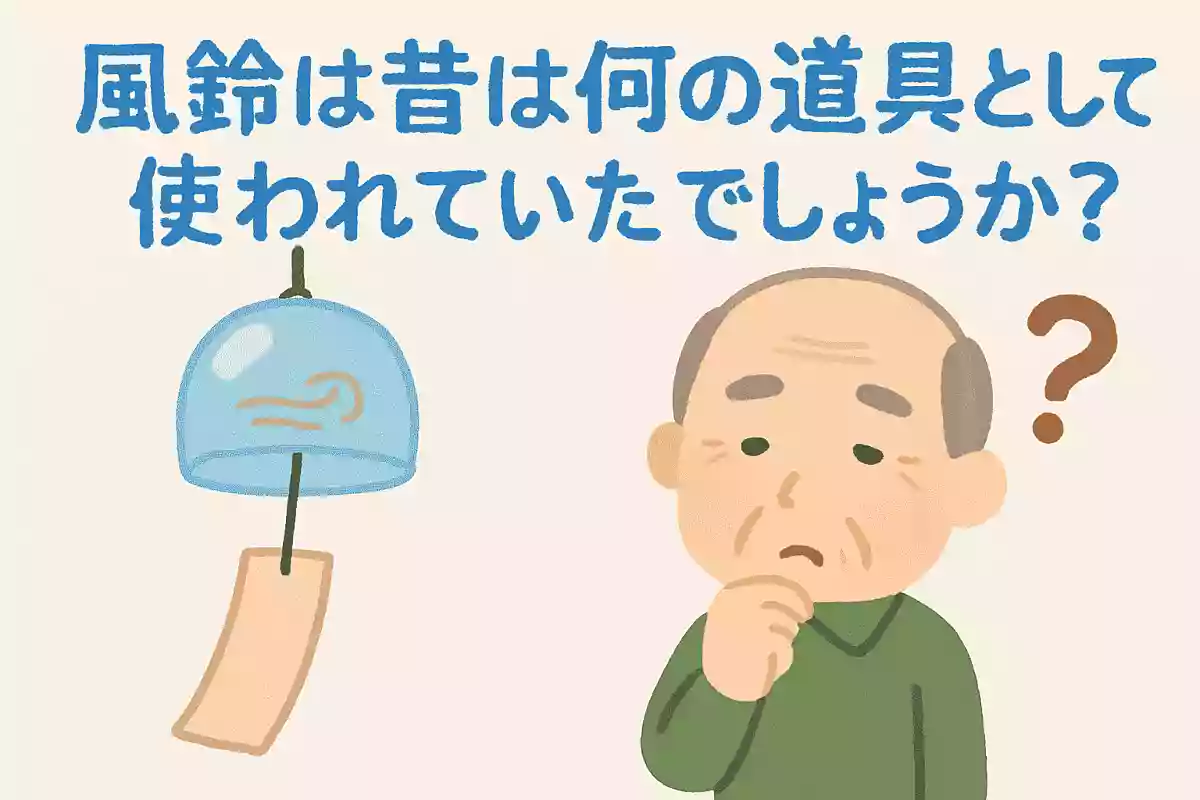
Wind chimes that bring a touch of coolness in the hot summer—the gentle sounds they make as they catch the breeze are a classic scene of the Japanese summer, aren’t they? Because they’ve become such a staple decoration for the season, learning about their origins and meaning is all the more intriguing.
The beginning of wind chimes can be traced to China during the Tang dynasty, where a device called a “fūtaku” was used for divination.
Carried to Japan along with Buddhism, the fūtaku came to be regarded as a talisman against evil, based on the belief that the area within earshot of its sound was sacred.
It’s also said that during the Heian period, aristocrats hung them from their eaves, and that around this time the term “fūrin” (wind chime) became widespread.
Unlike modern watermelons, old watermelons lacked something. What was missing?
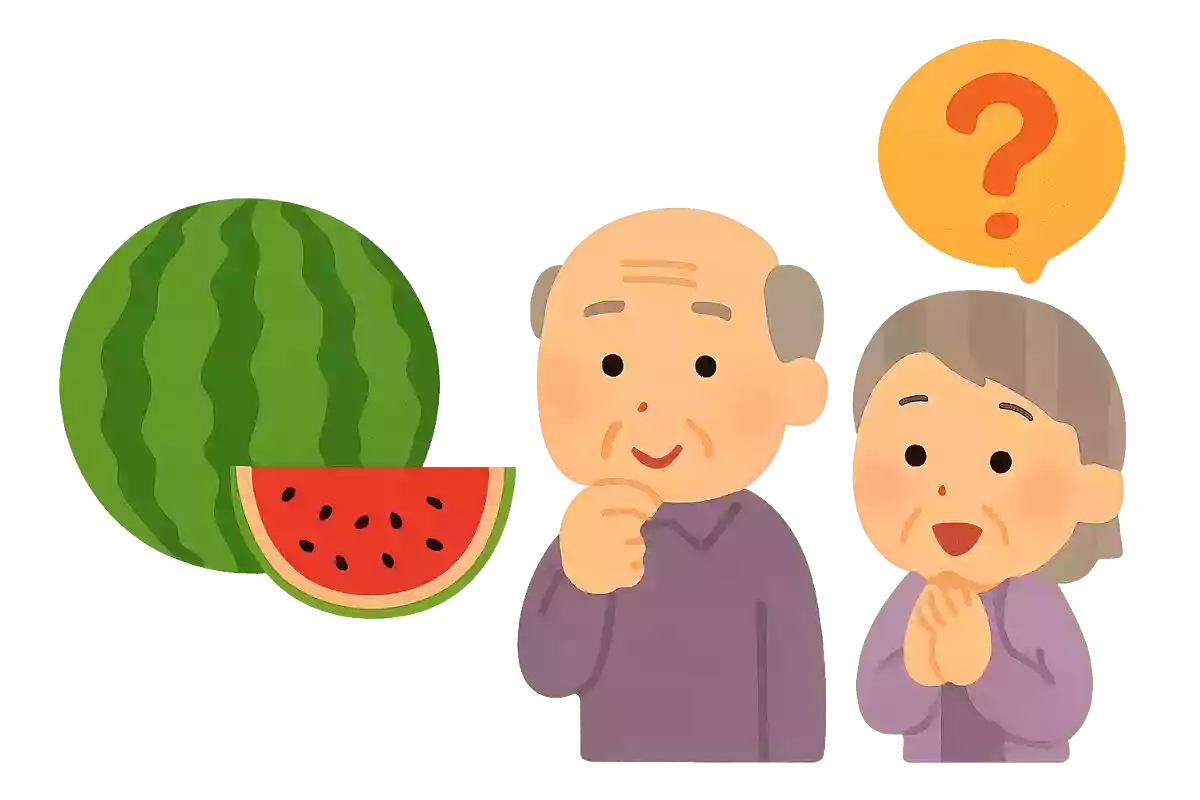
A quintessential symbol of summer: the watermelon.
Today, we’re all familiar with its round shape and striped pattern, but in fact, watermelons in the past were a little different—there was something they didn’t have.
What was it? “Weren’t they not red?” “Did they have more seeds?” “Weren’t they less sweet?” You can imagine all sorts of guesses.
It’s a summery question you can enjoy chatting about while you think of the answer.
So, the correct answer is… vertical stripes.
The now-standard pattern didn’t exist back then.
Even the appearance of watermelons has evolved over time.

What is a color that fireworks absolutely cannot produce?

Watching aerial fireworks, playing with handheld fireworks—fireworks are an essential part of summer, aren’t they? The flames that shine beautifully in various colors make summer even more fun.
Fireworks use a phenomenon called the “flame reaction” (flame test) to change the color of the fire.
By mixing specific elements that produce different flame colors when burned into the fireworks, they create those beautiful hues.
One color that can’t be produced even using the flame reaction is black; no matter what chemicals you use, you can’t get a black flame.
Since fireworks are mostly enjoyed at night, a black flame would be hard to see anyway, wouldn’t it?
Ice cream was originally served as a kind of medicine. What was the medicine for?
On hot summer days, you really feel like eating ice cream, don’t you? Many people think of ice cream as a dessert, but it actually wasn’t originally one.
In ancient Greece and Rome, it was reportedly eaten by soldiers for recovery from fatigue and as a health food.
Back then, people would pour honey or fruit syrups over natural ice or snow and eat it.
It seems that ice cream began to be eaten as a dessert like it is today around the 16th to 17th centuries, and it is said to have been introduced to Japan from the late Edo to the Meiji period.
