

[For Seniors] July Knowledge-Boosting Quiz


July is when the summer heat really sets in.
Even active seniors may find themselves spending more time indoors.
That’s why we recommend quizzes related to July.
Quizzes are fun whether you’re alone or in a group, and they don’t require any materials.
They also stimulate the brain and can help prevent cognitive decline.
In this article, we introduce a variety of quizzes about July.
They cover summer foods, creatures, events, and kanji reading and writing—perfect for boosting your knowledge.
Give them a try!
- [For Seniors] Summer-Themed Quiz: A Collection of Fun Questions to Liven Up Recreational Activities
- For Seniors: Lively! Trivia and Fun Facts Quiz for August
- [For Seniors] Introducing Trivia Quizzes and Fun Facts About December
- [For Seniors] Trivia Quiz & Fun Facts for June
- [For Seniors] Boost Your Knowledge! Fun Trivia Quiz
- [For Seniors] Informative and Fun Obon Quiz
- [For Seniors] Fun and Informative! Health Trivia Quiz
- [For Seniors] Fun and Educational True-or-False Quiz
- [For Seniors] Lively Wordplay Game: Fun Recreation for Elderly Care
- [For Seniors] Recommended Trivia Quizzes & Fun Facts for November
- [For Seniors] Brain Training! Recall Quiz Collection!
- [For Seniors] July Trivia Quiz & Fun Facts. Easy and Engaging
- [For Seniors] Summer-Themed Trivia Quiz & Fun Facts Collection
[For Seniors] Knowledge-Boosting Quizzes for July (21–30)
Which country is the origin of Hiyashi Chuka?
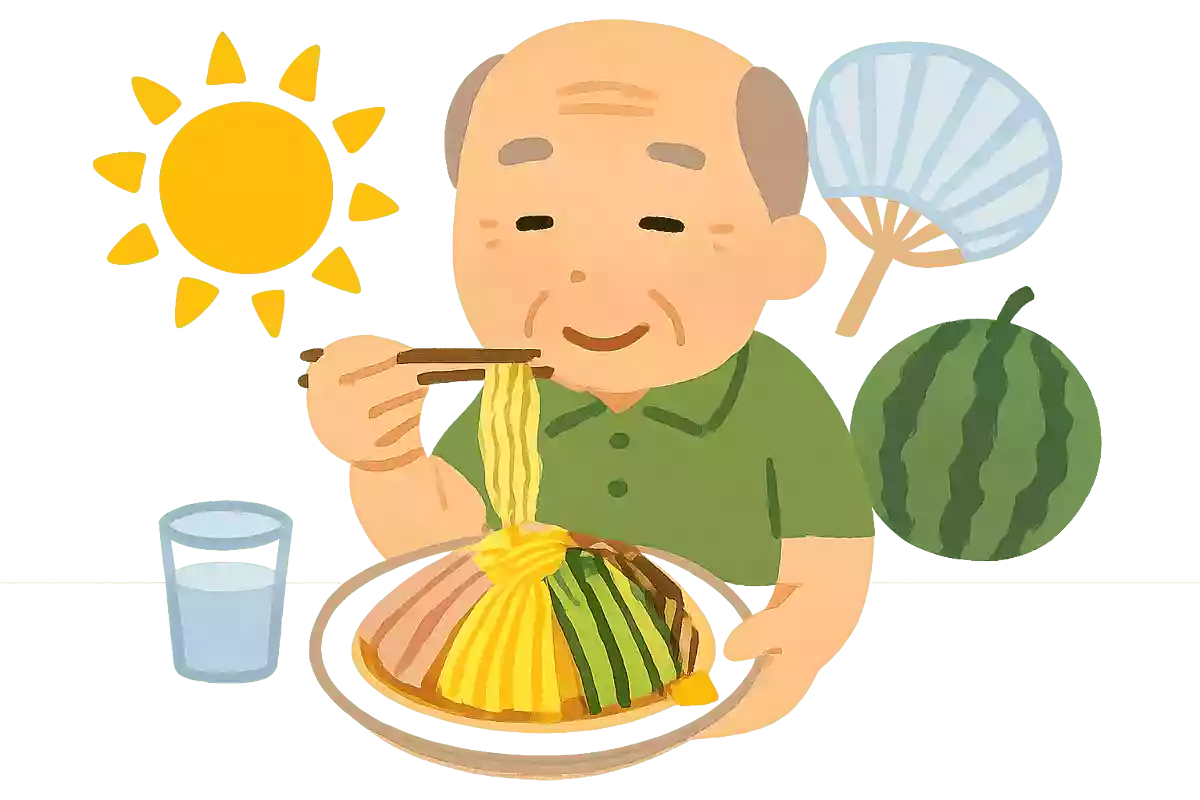
Hiyashi chuka is a refreshing cold noodle dish that’s perfect for hot weather.
It’s a well-known menu item devised to help beat the heat.
So, where did this popular cold noodle dish originate? The answer is… Japan.
The name might make many people think it’s Chinese, but the truth may come as a surprise.
Remembering this when you eat hiyashi chuka might make the flavors of summer feel just a little more special.

Mosquitoes that appear in summer: Which one sucks blood, the female or the male?
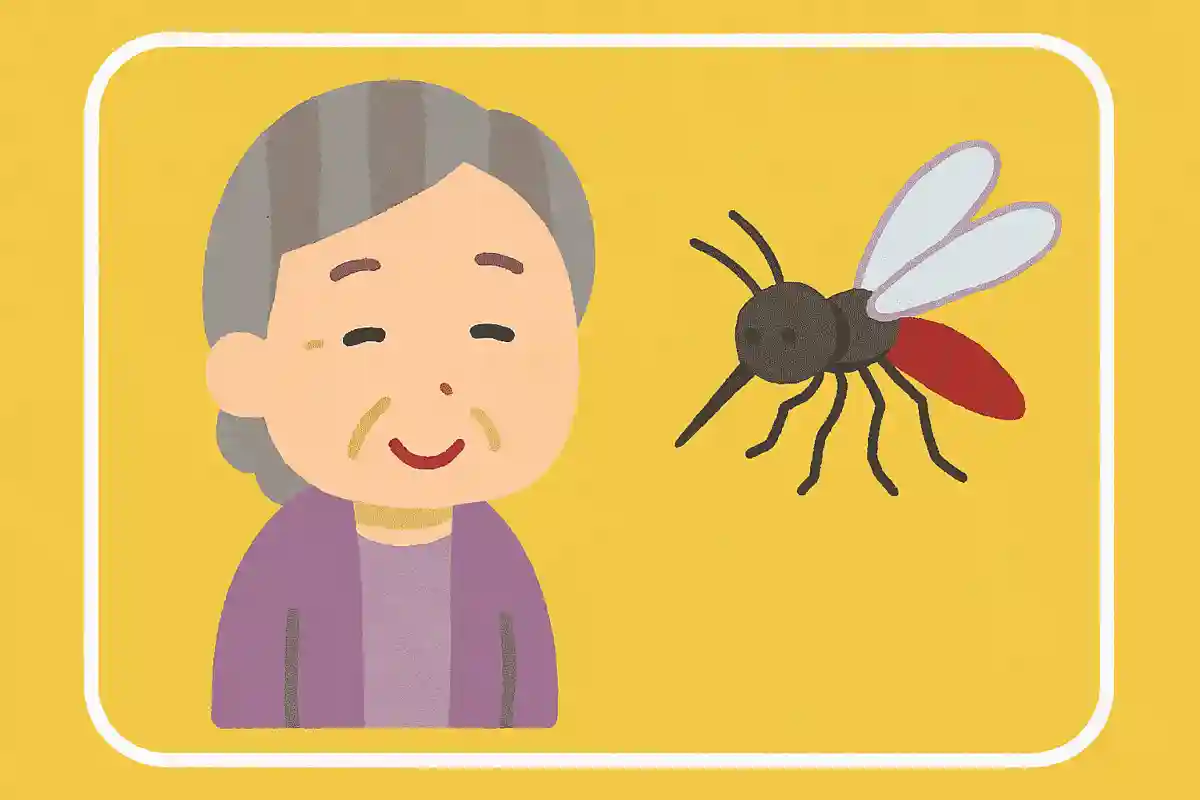
Before you know it, you sometimes get bitten by a mosquito and start to itch, right? In fact, only female mosquitoes suck blood.
The reason they do is to obtain the protein needed for laying eggs, so males don’t feed on blood.
Usually, to get energy in the form of sugars, they sip nectar from flowers or sap from plants.
Since they can’t lay eggs without blood, female mosquitoes desperately seek it to leave offspring.
Mosquitoes are a pesky presence that shows up in summer, but it turns out they have a reason for sucking blood.

[For Seniors] Knowledge-Boosting Quizzes for July (31–40)
Which prefecture in Japan produces the most uchiwa (traditional handheld fans)?

To stay comfortable during the hot summer, creating a cool breeze with a folding fan or a handheld fan (uchiwa) is a familiar sight, isn’t it? How about deepening your knowledge about uchiwa, which we use so naturally? As a traditional craft, uchiwa are made in various regions, but the one said to have the highest production is the “Marugame Uchiwa” from Kagawa Prefecture.
Designated as a traditional craft by the Minister of Economy, Trade and Industry, it reportedly accounts for 90% of the nation’s uchiwa production.
It might be interesting to look into the differences among regional uchiwa and their histories, too.

How many horns does a rhinoceros beetle have at minimum?
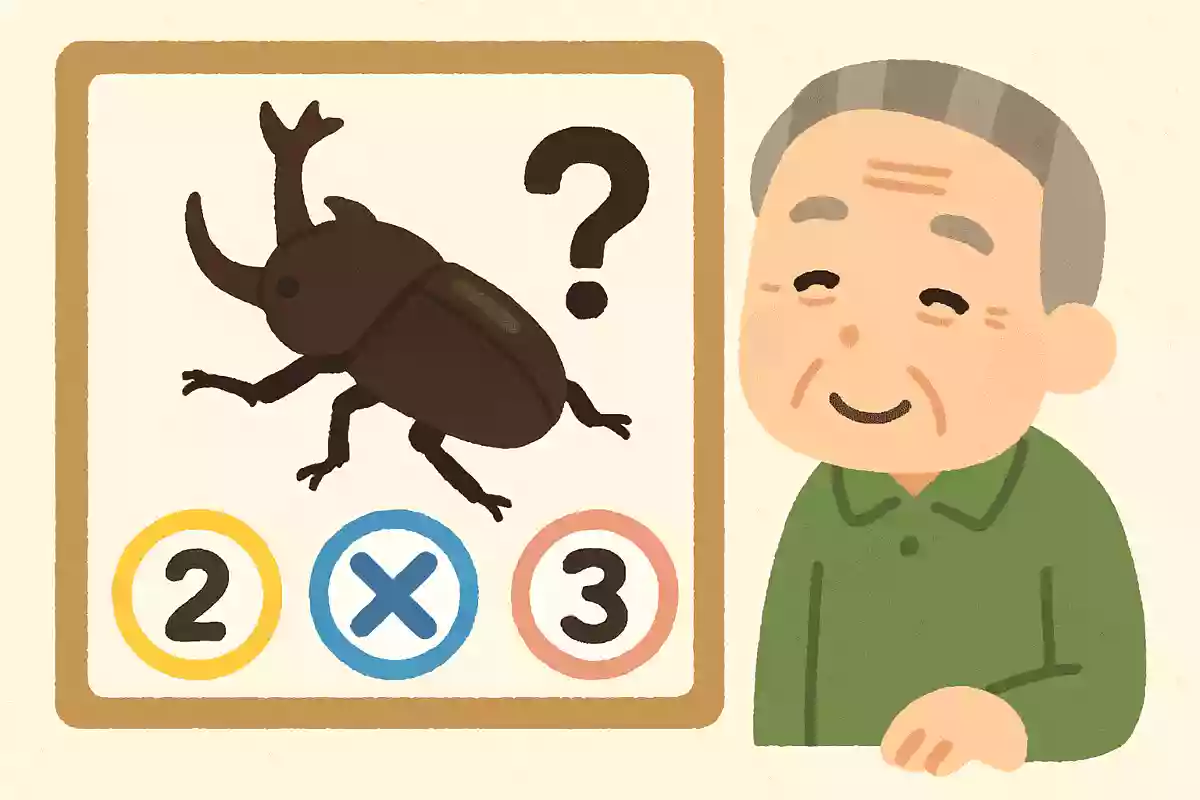
When it comes to insects that symbolize summer, many people would probably think of rhinoceros beetles and remember experimenting with different ways to catch them.
Male beetles in particular have impressive horns that symbolize strength, which is exciting for many boys.
Females don’t have horns, and males do—that’s one key difference.
But let’s think about the number of horns.
While many people picture a single large horn, rhinoceros beetles actually have two horns: one on top and one below, with the lower horn being the iconic large one.
There are also species that have more than two horns, so learning about those as well could be interesting.
[Rearrangement Quiz] Summery Words
![[Rearrangement Quiz] Summery Words](https://i.ytimg.com/vi/xIdHZX-ZbFk/sddefault.jpg)
Let's try a word-scramble quiz with summer-themed words! For example, “やつなみす” can be rearranged to “なつやすみ” (summer vacation).
In this way, we can scramble various summer-related words and turn them into a quiz.
There are plenty of themes to choose from: summer events like festivals and fireworks displays, plants like morning glories and sunflowers, and summer foods like somen noodles, ice cream, and corn.
It’s a good idea to start with shorter words and gradually increase the difficulty with longer ones.
Give it a try and stimulate your brain!

Where does the culture of “rajio taiso” (radio calisthenics) come from?
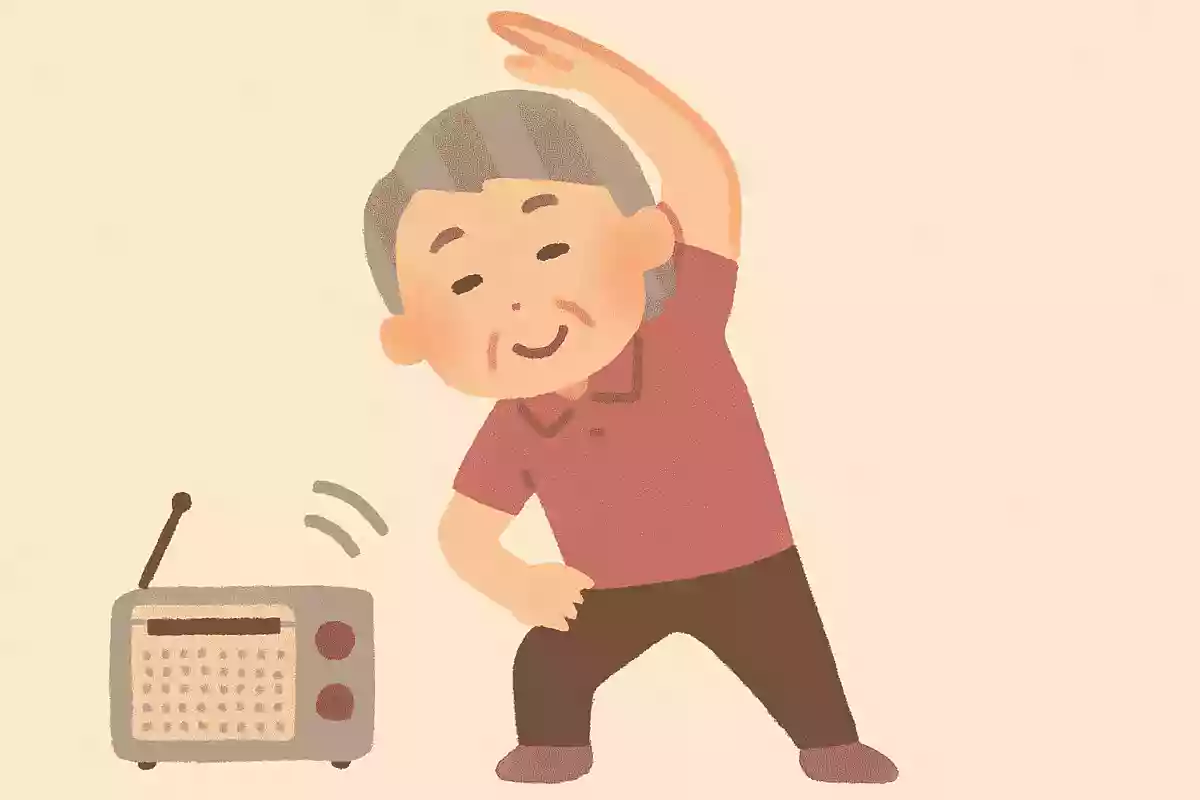
When we think of summertime traditions, waking up early and doing Radio Taiso (radio calisthenics) is an essential seasonal ritual, isn’t it? Some people only did Radio Taiso during summer vacation, while others have chances to do it at other times too—there are many different ways people relate to it.
If we learn about the history of this easy-to-do exercise, we might approach it with a more positive attitude.
Radio Taiso is said to have been started in 1925 by the Metropolitan Life Insurance Company in the United States to promote the health of its policyholders, and from there it made its way to Japan.
Let’s also learn how the exercises that arrived in Japan in 1927 have evolved over time.
Why do fireflies glow?
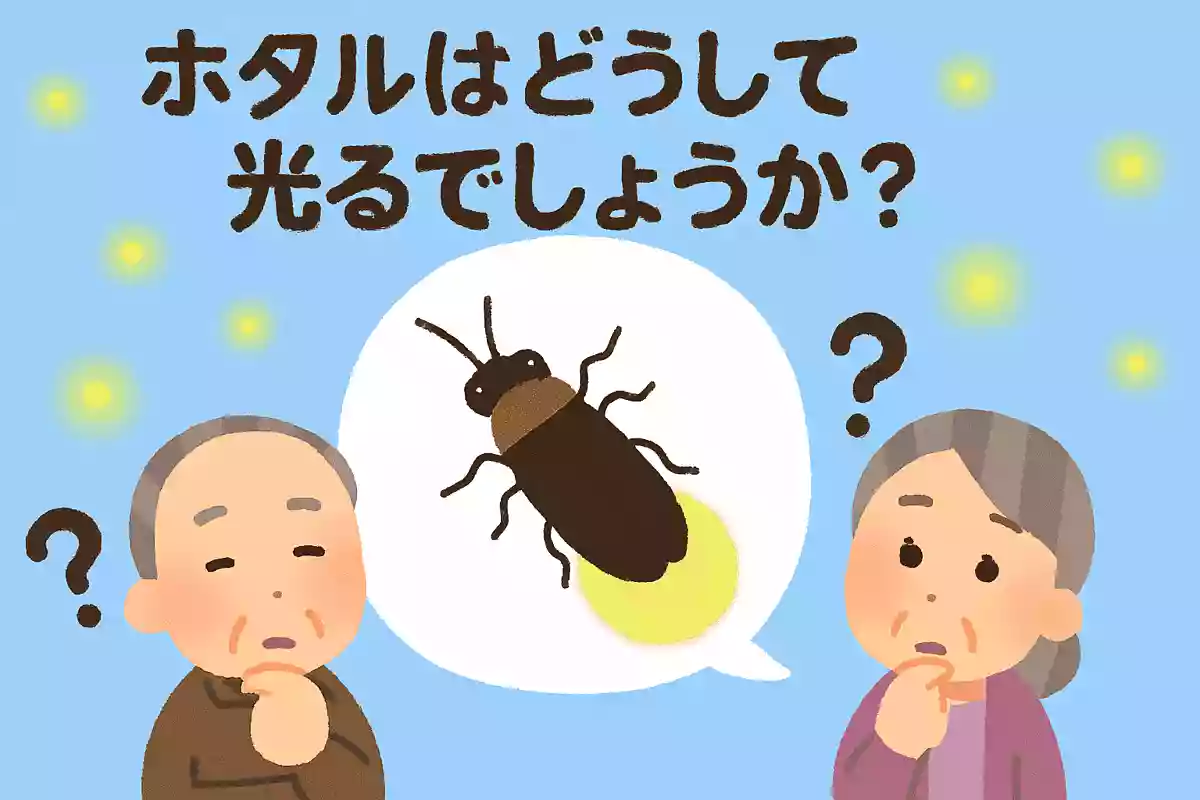
The way fireflies softly glow is a hallmark of summer nights.
It’s a beautiful sight to watch, but do you know why fireflies light up? Here’s a hint: it’s a sign to meet.
Their manner of glowing has meaning, and it’s said they send messages through the rhythm and timing of their flashes.
Signals exchanged in the stillness of night.
The answer is… courtship.
Fireflies use light to find a mate and to announce their presence.
Knowing such a romantic reason might make the night scenery feel a little more special.