

Funny senryu poems composed by junior high school students: introducing outstanding works that will make you burst out laughing

Senryu, which capture everyday moments in a 5-7-5 rhythm, can, with a little ingenuity, produce lines so funny they make you burst out laughing.
Casual exchanges with friends, that feeling before a test, happenings during long vacations—familiar themes hide the best hints for entertaining pieces.
In this article, we’ll showcase plenty of humorous senryu that shine with the unique perspective of junior high school students.
Current students can enjoy relatable “been there” topics, while adults may recall their own school days with a sense of nostalgia.
Use this in many situations: as fun conversation fodder, as a reference for writing your own senryu, and more.
- [Elementary School Senryu] A Collection of Hilarious Masterpieces about Summer Vacation, Friends, and School Life. Tips and Explanations Learned from Outstanding Works
- Burst out laughing! A collection of outstandingly brilliant otaku senryu masterpieces
- [For Elementary School Students] Turn Summer Memories into Haiku! A Collection of Fun Summer Haiku Ideas
- [Winter Haiku] A collection of poems composed by junior high school students: a beautiful and amusing anthology that vividly evokes scenes
- Parenting Senryu: Relatable Parenting Moments That Make You Say “So True!” Turn Everyday Struggles into Laughter with Senryu
- A chuckle-worthy collection of masterful senryu poems themed around sushi toppings
- Funny senryu with the theme of toilets. Presenting a selection of masterpieces and gems all at once
- Funny quizzes for middle school students. Quizzes that can liven up a middle school setting.
- [Difficult] A top recommended quiz collection for junior high school students. Casual questions you can enjoy easily.
- [Comedy Skit] A Roundup of One-Liner Gags Recommended for High School Students!
- [Traffic Safety Senryu] Outstanding works shining with humor and lessons. A carefully selected line to always keep in mind.
- [Winter Haiku] A collection of poems written by elementary school students. Excellent works that skillfully use seasonal words.
- For elementary school kids! Fun riddles recommended for the middle grades
Funny senryu poems composed by junior high school students: Introducing outstanding works that will make you burst out laughing (11–20)
“I’ll do it, I’ll do it”—the big cleanup still isn’t finished.
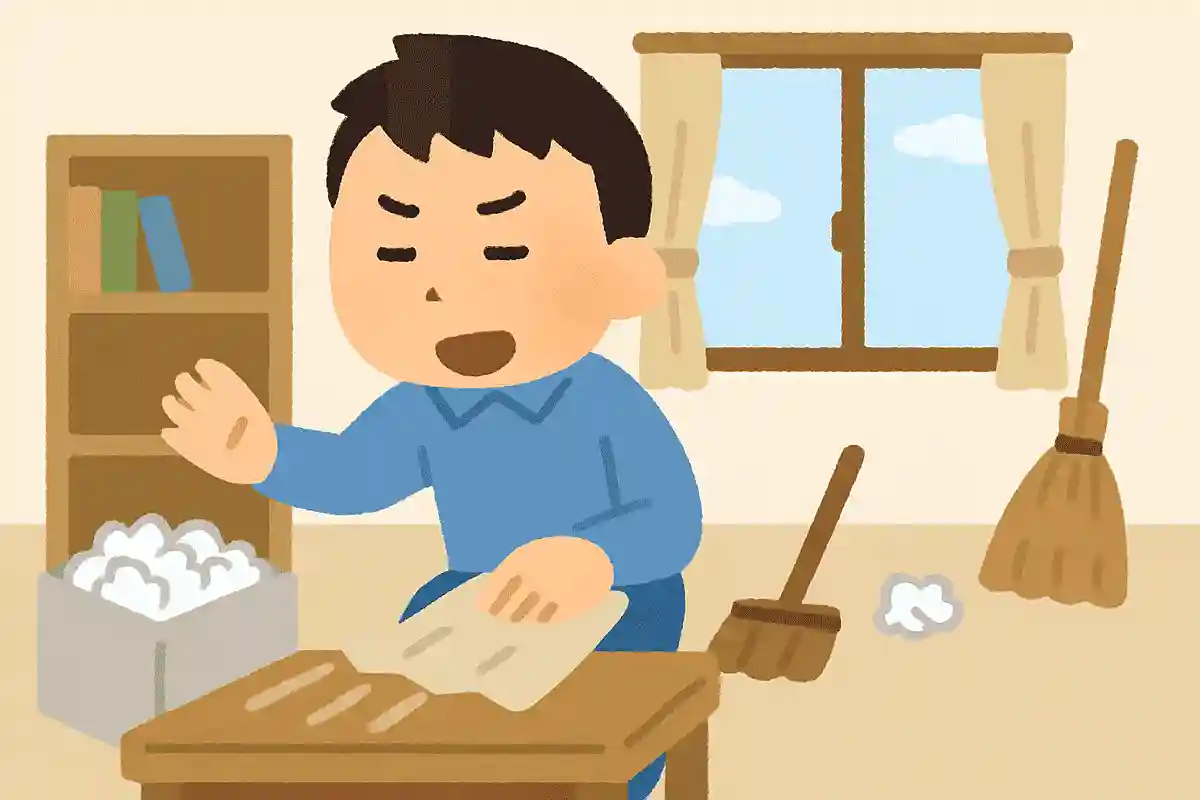
It captures, in plain and honest words, the way we keep putting off the year-end cleaning like a classic “I’ll do it, I swear” scam.
In the opening “I’ll do it, I’ll do it,” you can feel a mix of excuses and a half-declaration to oneself, with a faint sense of panic.
But when it ends up with “I still haven’t finished,” the punchline lands: nothing’s really progressed.
There’s nothing especially clever in the phrasing, but it’s charmingly relatable—you can’t help nodding, “so true.” It’s a verse that cheerfully turns our everyday weakness—gearing up with resolve only to procrastinate, not just with deep cleaning—into a laugh.

My stomach growls, yet the chime does not ring
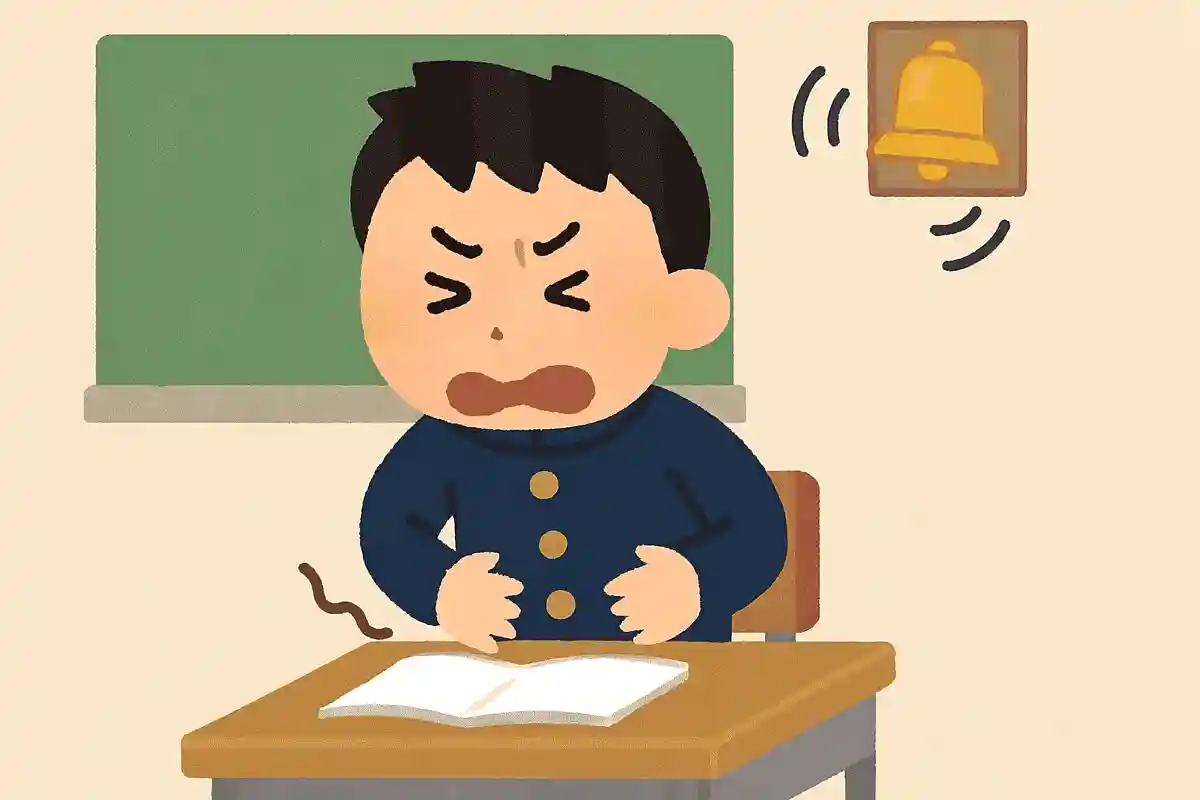
It uses a simple contrast to express the frustration of waiting for lunchtime in class, with your stomach growling, yet the chime just won’t ring.
The rhythm that plays on “ring” and “not ring” feels pleasant, neatly tying it together as wordplay.
Within the short lines, you can clearly sense the awkwardness of a stomach’s rumble echoing through a quiet classroom, and the situation where the chime still doesn’t ring.
Without getting heavy, it captures a small everyday moment with a gently humorous perspective—an approachable, charming little verse.
My bald older brother spends an hour styling his hair.
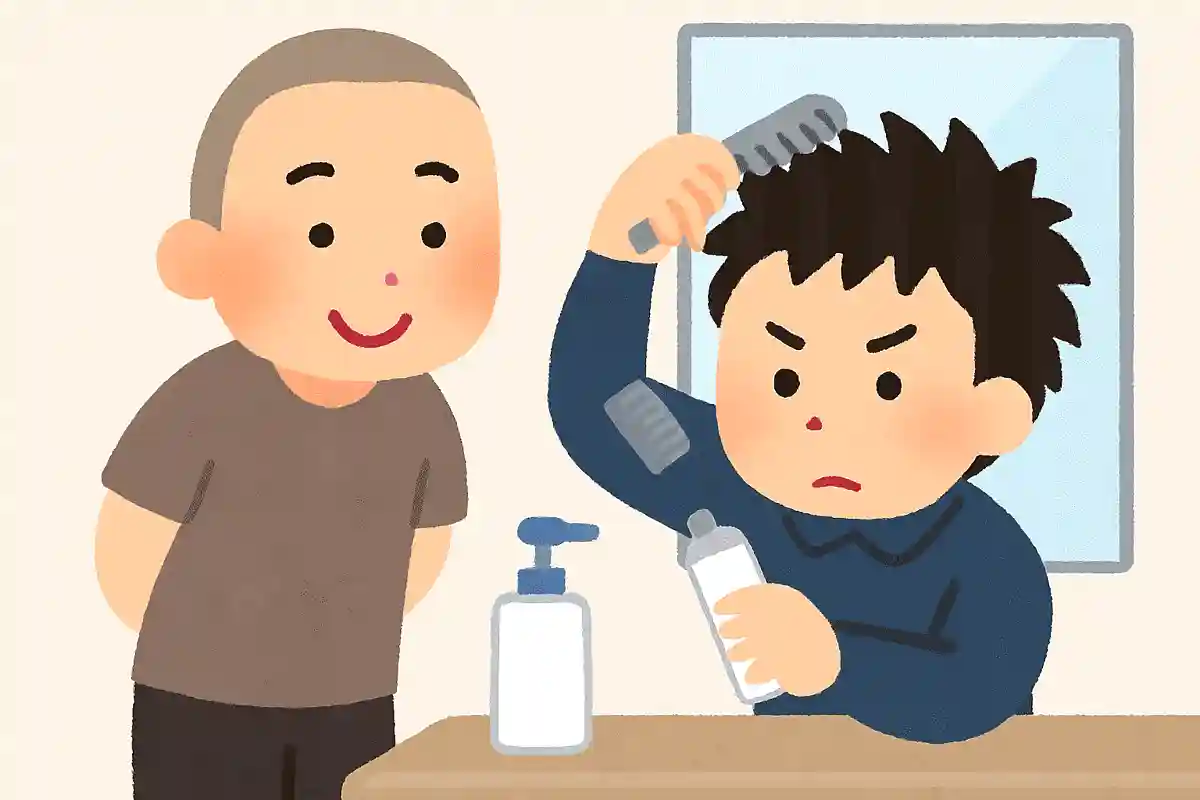
It amusingly captures my brother fussing over his hair, even though he’s got a buzz cut that should hardly have any hair to style.
Precisely because it’s a hairstyle that shouldn’t need any setting, the punchline of “one hour” lands perfectly as a comically excessive amount of time.
He may look stoic, yet he’s the type to obsess over the small details or take unusual pride in his grooming.
That’s the charm—it even lets you imagine what he’s like as a person.
It’s a gentle, affectionate bit of humor that turns a small mismatch into a laugh.
Winter break—felt like two seconds, terrifying.
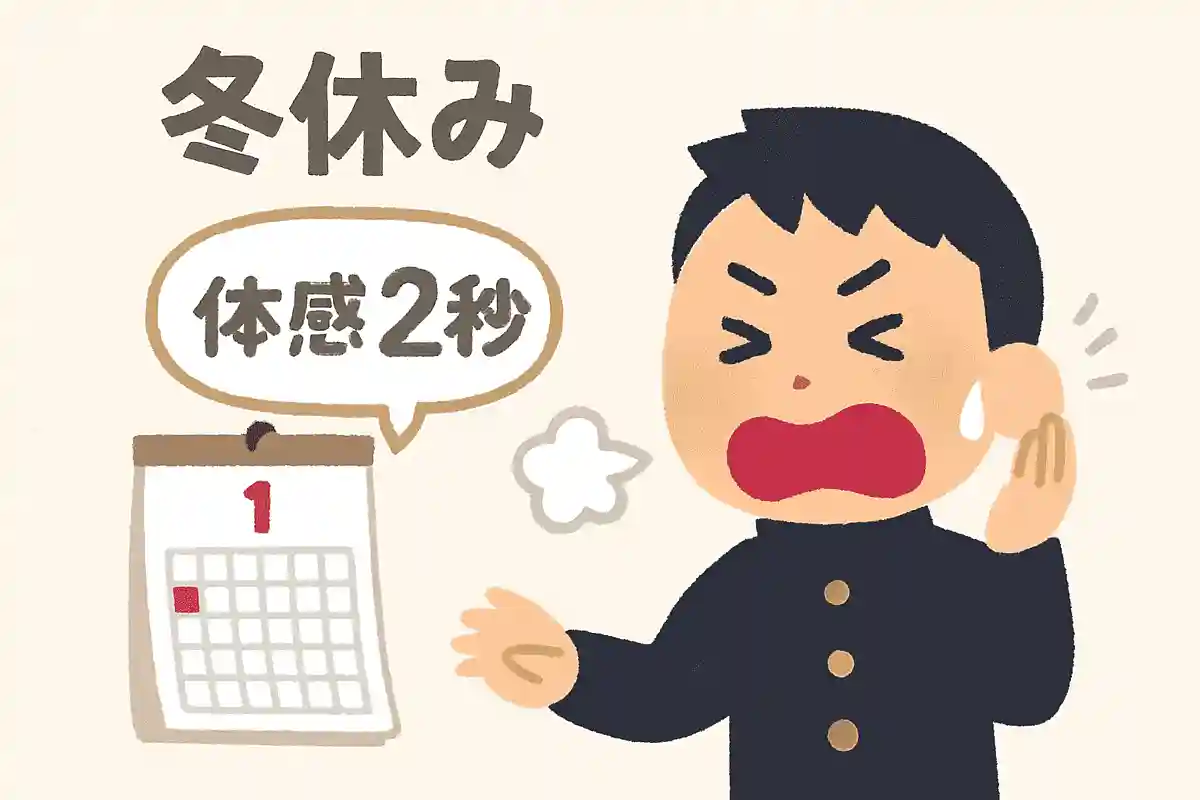
It comically captures a classic student experience: a winter break that was supposed to be long somehow feels like it ended in a split second.
The phrase “felt like two seconds” really lands, instantly conveying that despite having tons of plans, it ended with nothing done.
The slightly over-the-top “how terrifying” at the end adds a touch of resigned exaggeration.
While it’s funny, it also hints at the rush and wistfulness of facing reality.
In just a few words, it packs in the speed of time, regret, and self-deprecating humor—making it a relatable little verse.
Diversity / Adults who say that / Uniformity
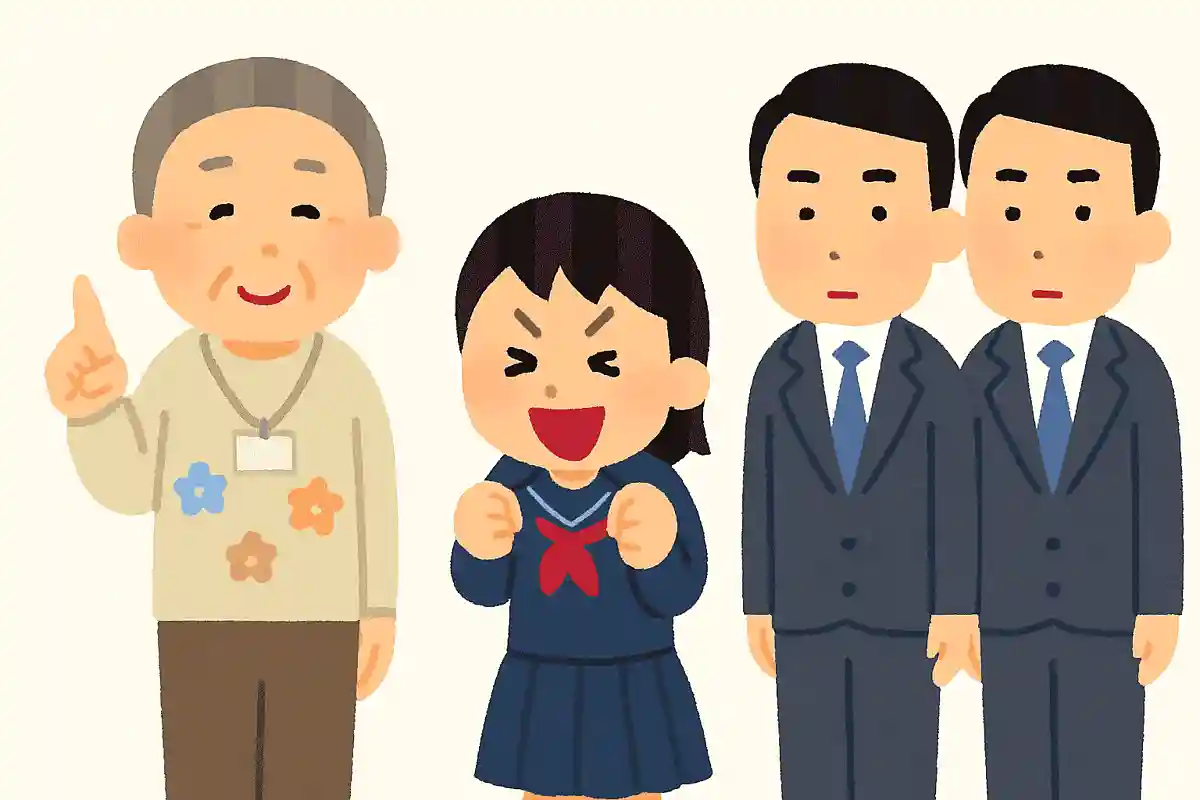
While proclaiming “diversity,” it incisively captures the contradiction of an adult society that, in practice, expects everyone to face the same direction.
The first half’s term “diversity” sounds lofty and forward-looking, but the sudden reveal of “uniformity” in the latter half lays bare reality, leaving a strong impression through contrast.
It’s not the kind of humor that amuses with wordplay; rather, it elicits a wry smile—“yeah, we’ve all seen that”—by gently pointing out such situations.
Slightly sardonic yet never overly sharp, this short verse quietly brings to light the misalignment lurking in everyday life.
Its appeal lies in how, despite its brevity, it succeeds as social satire.
The teacher’s puns are never funny.
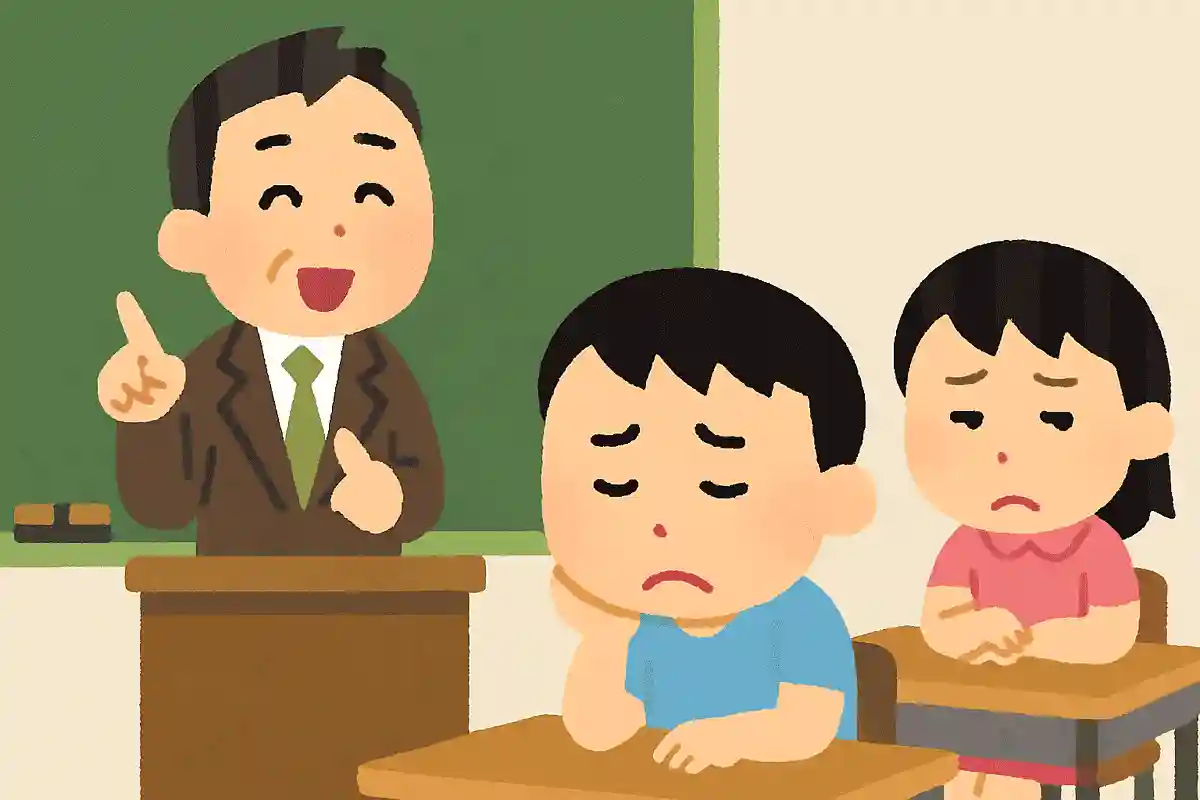
A single verse that straightforwardly expresses an honest reaction to the teacher’s words.
Even though the children understand the teacher’s intention to lighten the mood, their responses remain somewhat cool and candid.
The expression is superb, letting you imagine the uncertain air of whether to laugh and the subtle pauses that pass through the classroom.
It highlights the difference in sensibilities between adults and children and also conveys the human relationships within the school setting.
With a touch of irony yet a certain charm, it warmly communicates the sense of distance between the students and the teacher.
It’s a senryu of school life that neatly captures a moment of the everyday, spreading both empathy and laughter.

I’m in my rebellious phase, but I’ll still go along to the sushi restaurant.
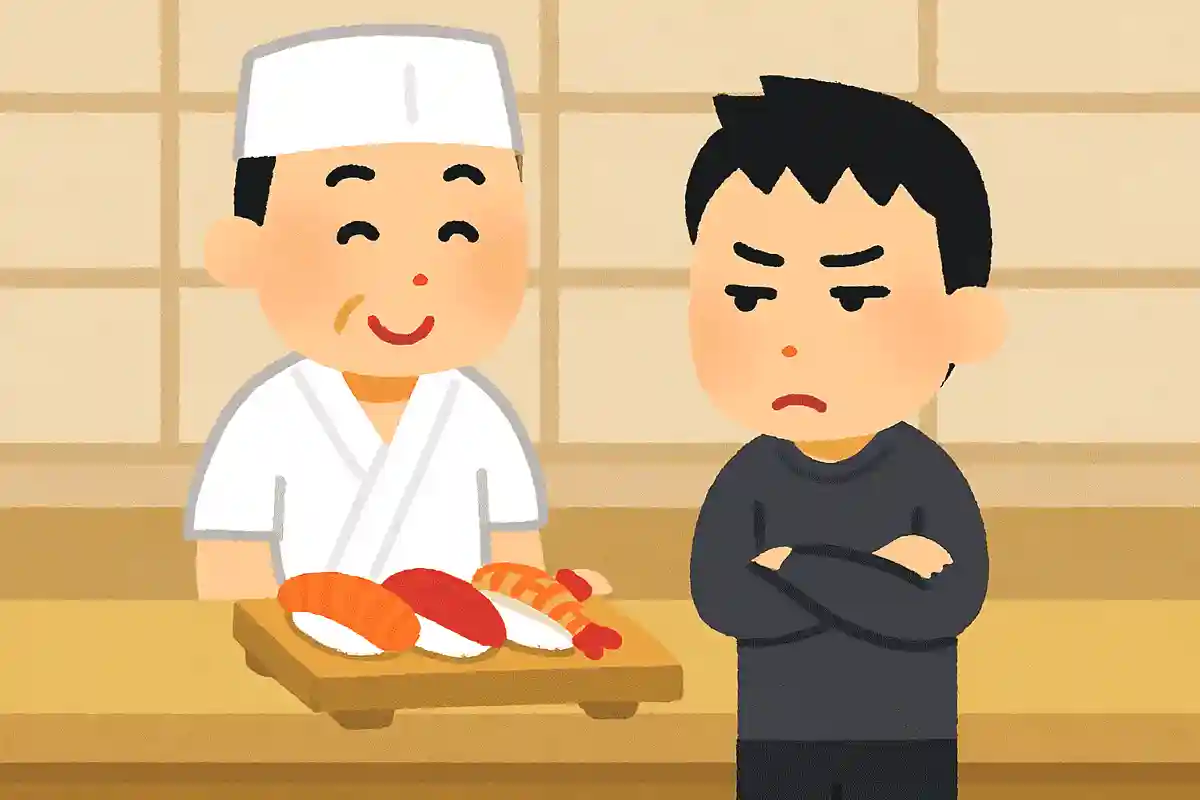
Many parents struggle with their child’s rebellious phase.
A child who had been obedient may suddenly ignore their parents or act standoffish, leaving you unsure how to interact.
That’s when we’d like you to read this senryu and have a laugh.
Even though the kid is usually defiant, if you invite them out for sushi, they’ll tag along—adorable, isn’t it? They may be in a rebellious stage, but sushi’s appeal is irresistible.
Your child might also have something so appealing that it lets them forget their rebellion for a little while!

In conclusion
We’ve introduced a number of amusing senryu composed from a uniquely middle school perspective. These pieces, which capture everyday moments and snapshots of school life, have a charm that makes you chuckle. Why not try turning the happenings around you into senryu, too, using the 5-7-5 rhythm? Enjoy the fun of playing with words!