


Senryu, which capture everyday moments in a 5-7-5 rhythm, can, with a little ingenuity, produce lines so funny they make you burst out laughing.
Casual exchanges with friends, that feeling before a test, happenings during long vacations—familiar themes hide the best hints for entertaining pieces.
In this article, we’ll showcase plenty of humorous senryu that shine with the unique perspective of junior high school students.
Current students can enjoy relatable “been there” topics, while adults may recall their own school days with a sense of nostalgia.
Use this in many situations: as fun conversation fodder, as a reference for writing your own senryu, and more.
- [Elementary School Senryu] A Collection of Hilarious Masterpieces about Summer Vacation, Friends, and School Life. Tips and Explanations Learned from Outstanding Works
- Burst out laughing! A collection of outstandingly brilliant otaku senryu masterpieces
- [For Elementary School Students] Turn Summer Memories into Haiku! A Collection of Fun Summer Haiku Ideas
- [Winter Haiku] A collection of poems composed by junior high school students: a beautiful and amusing anthology that vividly evokes scenes
- Parenting Senryu: Relatable Parenting Moments That Make You Say “So True!” Turn Everyday Struggles into Laughter with Senryu
- A chuckle-worthy collection of masterful senryu poems themed around sushi toppings
- Funny senryu with the theme of toilets. Presenting a selection of masterpieces and gems all at once
- Funny quizzes for middle school students. Quizzes that can liven up a middle school setting.
- [Difficult] A top recommended quiz collection for junior high school students. Casual questions you can enjoy easily.
- [Comedy Skit] A Roundup of One-Liner Gags Recommended for High School Students!
- [Traffic Safety Senryu] Outstanding works shining with humor and lessons. A carefully selected line to always keep in mind.
- [Winter Haiku] A collection of poems written by elementary school students. Excellent works that skillfully use seasonal words.
- For elementary school kids! Fun riddles recommended for the middle grades
Funny senryu poems by junior high school students: A selection of outstanding works that will make you burst out laughing (1–10)
You’re lying, right? ‘I won’t get mad, so go ahead and tell me.’
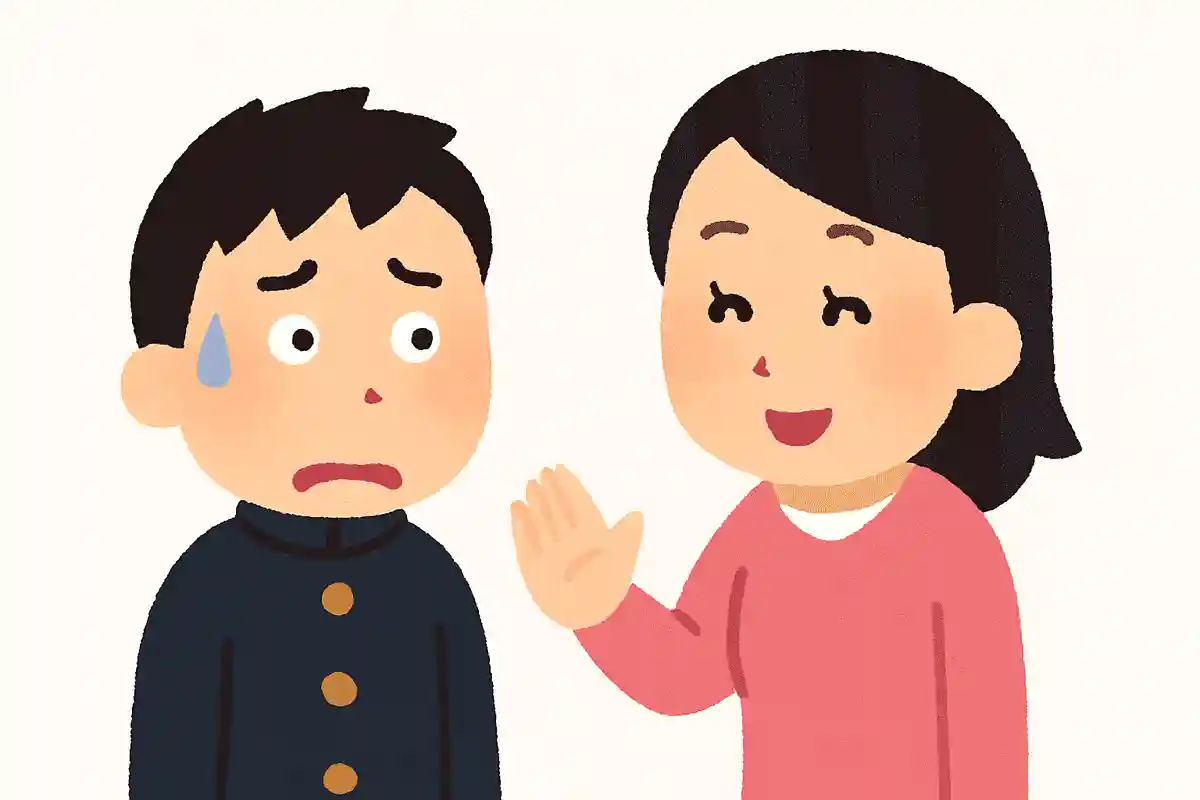
A distinctive feature of this verse is that all three lines work as dialogue.
With almost no description of the situation, it conjures the scene using only words, and yet the reader quickly senses the atmosphere of “uh-oh, someone’s done something.” In particular, the phrase “I won’t get mad” is a stock line you often hear at home or at school.
But in reality, the possibility of getting scolded afterward still looms.
That subtle tension, mixed with a touch of humor, creates the piece’s wit.
The words are gentle, yet there’s an undertone of pressure.
It’s a flavorful verse that, with just a few short words, evokes the very air of the moment.

The only thing that slimmed down was my wallet.
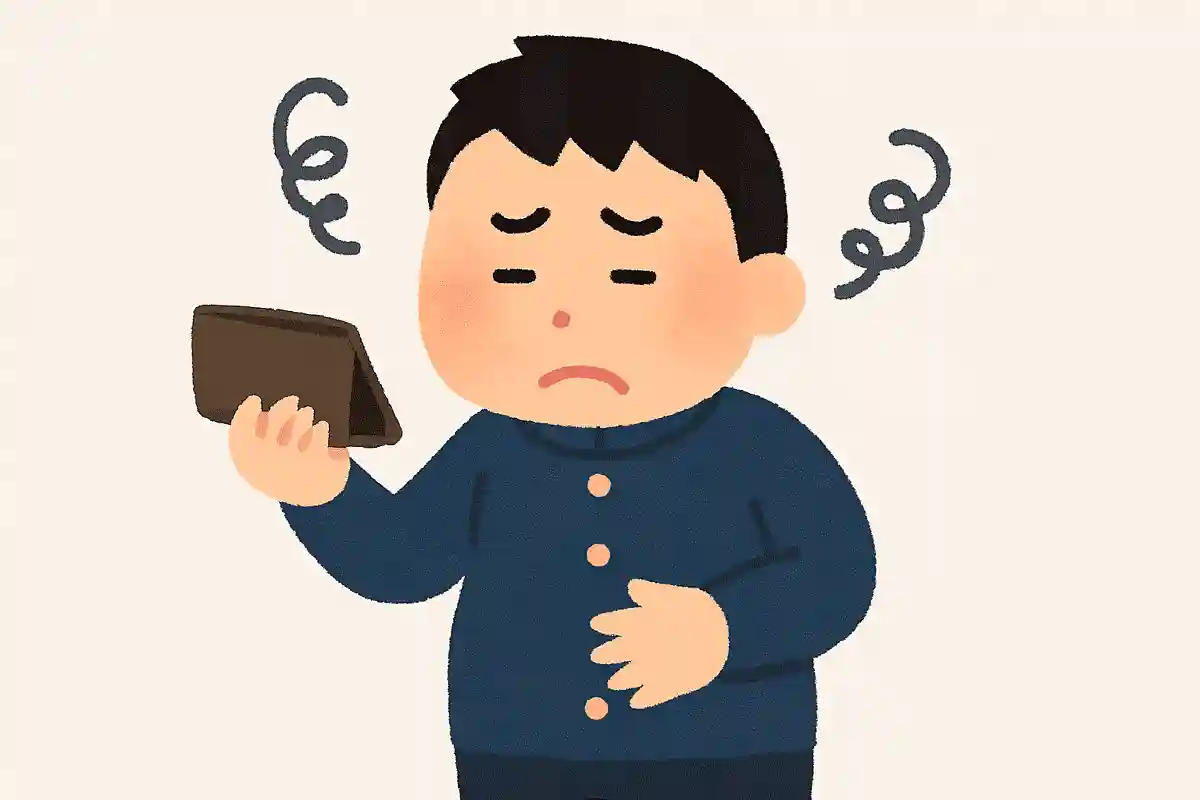
This piece makes you laugh with the punchline that the only thing that dropped wasn’t the weight, but the money.
You can picture the effort: gym fees, health foods, gear—everything gathered in the name of trying hard.
The decisive line, “the only thing that succeeded was my wallet,” lands especially well, giving it a slightly self-deprecating yet somehow upbeat tone.
Though it’s a tale of failure, it stays light and breezy, which is part of its charm.
It gently turns the all-too-real experience of trying hard only for the results to miss the mark into a warm laugh.
It’s an accessible work that readers can relate to and chuckle at with a knowing smile.
Fourth period: my stomach’s chime went off early.

It humorously captures a situation everyone has experienced at least once: your stomach growling during class right before lunch.
The phrase “stomach chime” gives it a gentle tone, highlighting endearing warmth rather than embarrassment.
Adding the word “flying” (i.e., jumping the gun) creates the punchline: before the bell for lunch or the midday break even rings, only the stomach reacts early.
You can almost picture the quiet classroom and the awkward moment when it rumbles.
It’s a relatable, friendly verse that turns a small everyday slip-up into a bright laugh.
You’re in puberty, you shout—yet you’re in menopause.

The fun point lies in contrasting the clash between the parent and child generations with just two words.
While adults dismiss a child’s rebellion or sulkiness as “puberty,” those same adults are themselves at an age when their emotions are easily shaken.
This familiar household dynamic is portrayed lightly.
In particular, the latter phrase, “you who are shouting are in menopause,” really hits home, creating a boomerang-like humor: you think you’re labeling the other person, but it applies just as much to yourself.
The dialogue-like rhythm makes it an easy, brisk read that conjures vivid scenes, turning domestic reality into humor and resulting in a relatable, approachable verse.
I dreamed of saying good morning, then overslept.

Its charm lies in how it captures, in straightforward words, that all-too-familiar situation where you’re sure you woke up in a dream, yet in reality you’ve overslept.
The opening “Good morning,” is especially effective—despite its brevity, it vividly evokes the scene of waking up and even greeting someone within the dream.
Then “I overslept” yanks us back to reality in an instant, and that gap itself becomes the punchline.
Without using complicated phrasing, it conveys the frantic feeling of dream and reality switching places, making it an approachable verse.
It’s a brisk, pleasant piece whose light humor invites readers to laugh and say, “So true!” while relating to it.
Staring at the chara-bento, puzzled—what character is it?
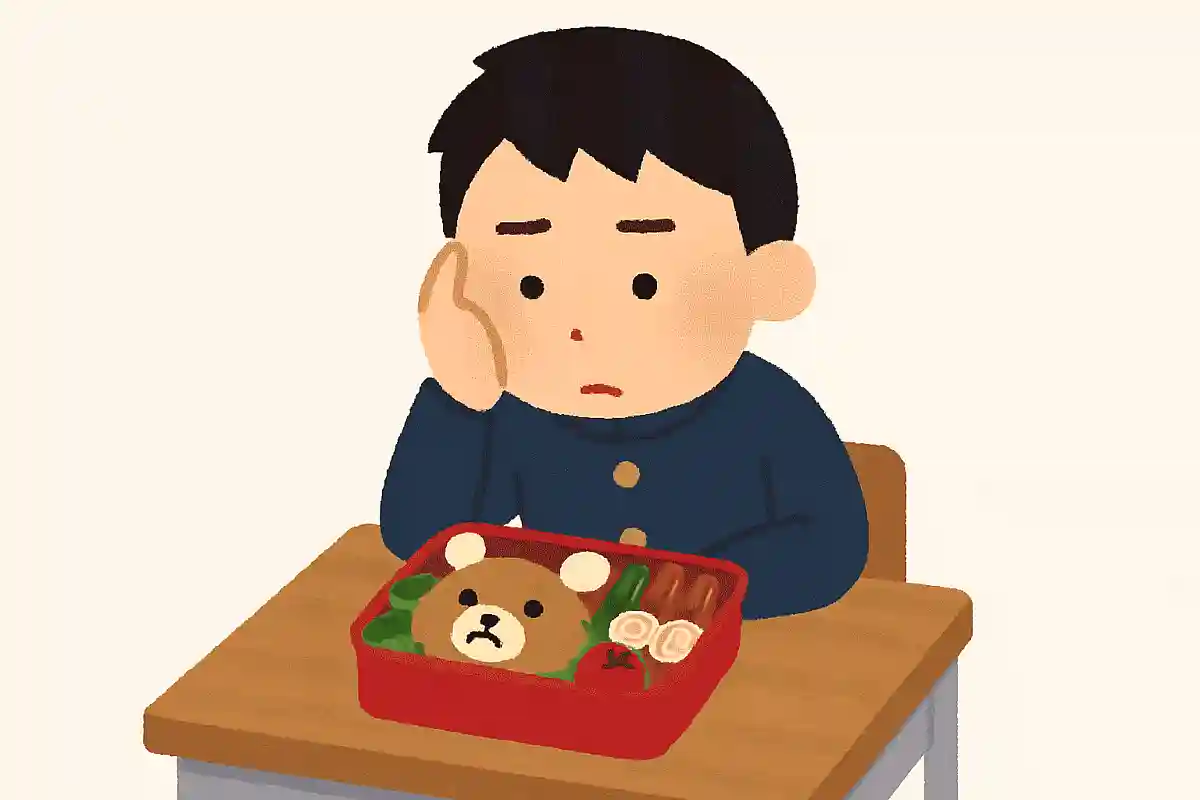
This phrase very candidly captures that small moment of confusion when you open a bento box.
You can tell it’s a character bento, but you can’t help tilting your head and wondering, “Which character is this supposed to be?” That scene comes to life in just a few words.
What’s interesting is that the humor isn’t aimed at blaming anyone; it’s directed at the mismatch in the situation itself.
You can feel the maker’s love and effort, yet the final result is just a bit off.
That subtle nuance is deftly contained in the modest expression “staring and fretting.”
A thank-you to you, told in senryu
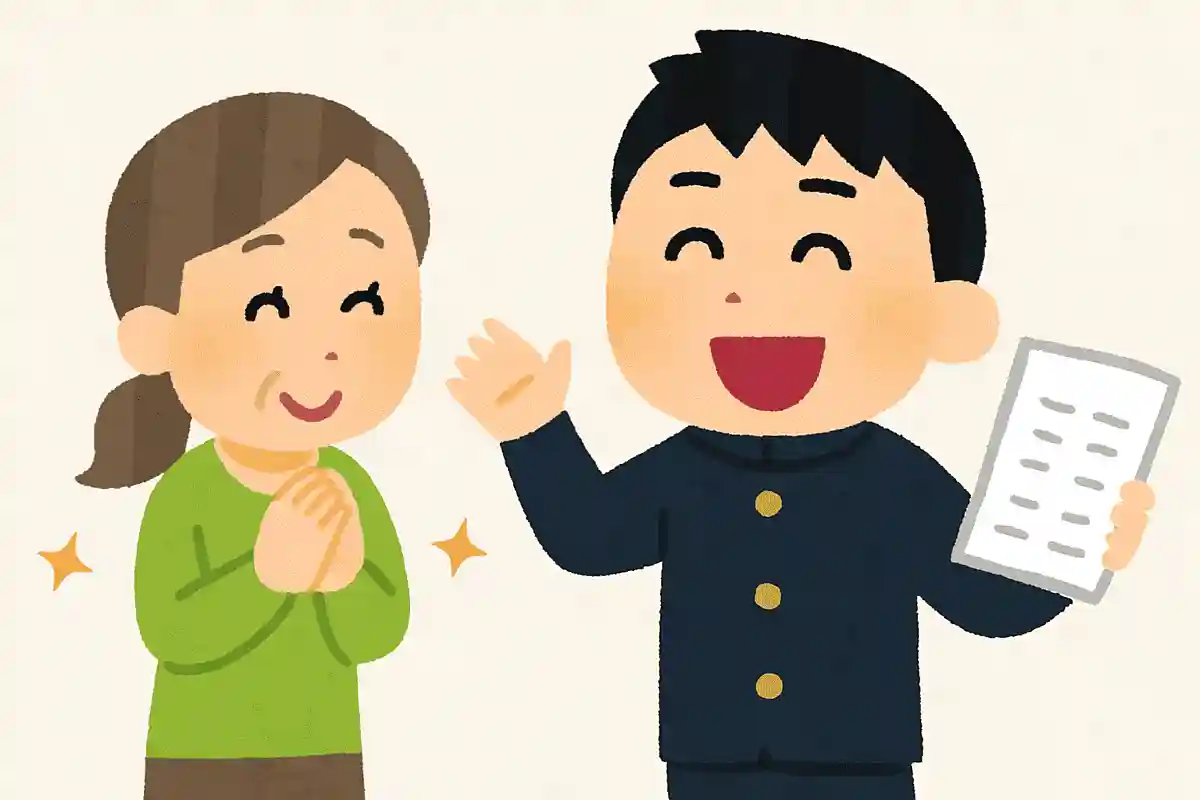
This piece is a playful work that layers the sound of “senryu” with “thank you.” By deliberately placing two similarly sounding words side by side, it creates a gentle rhythm and a light, pleasant reading experience.
The phrase “conveying it in senryu” suggests a desire not just to put gratitude into words, but to deliver it with a touch of wit.
It also subtly captures the feeling that saying a straightforward “thank you” can be a bit embarrassing.
Simple yet memorable, it’s a single verse that skillfully harnesses the resonance of words.
Too many events happen—Japanese history is like that.
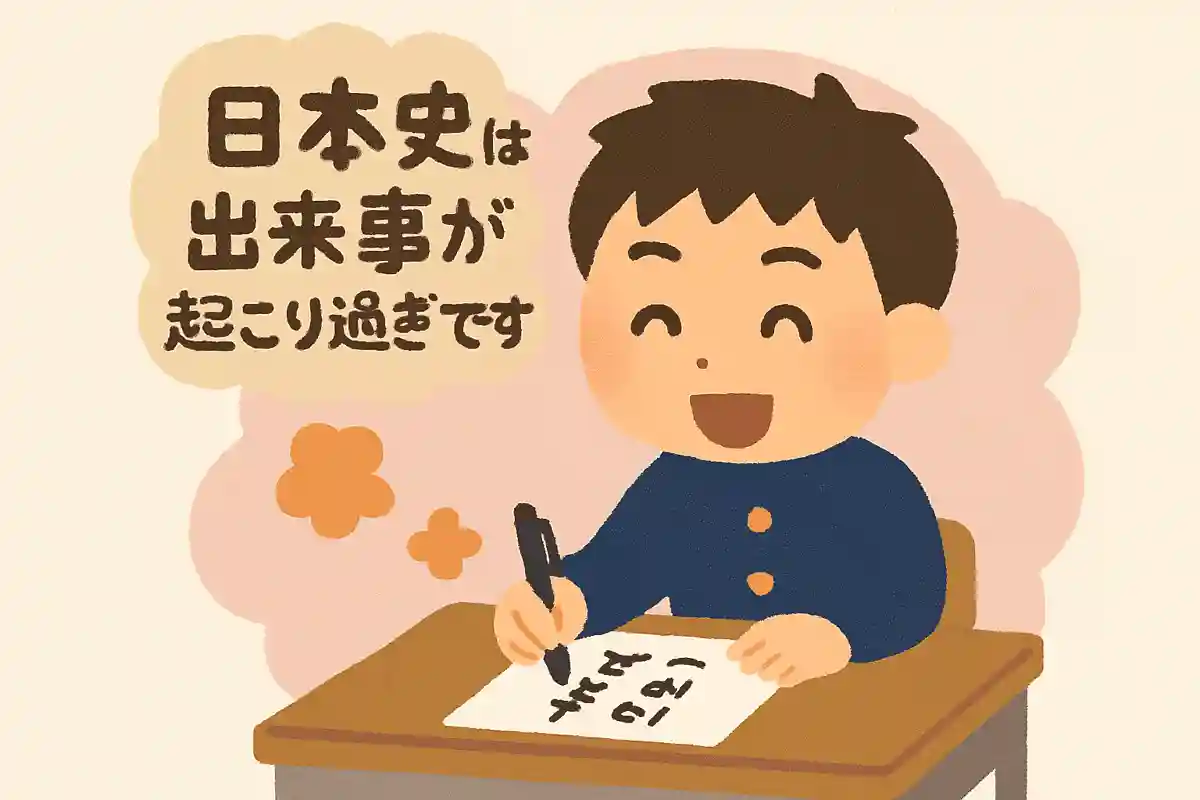
First off, the charm of this verse lies in its candid, grumbling tone.
In the midst of studying Japanese history, that honest feeling of “there’s just too much to memorize” fits neatly into three lines.
There’s humor in the way a topic that tends to be stiff—history—is handled with a light touch.
The third line, especially, with its detached “Japanese history is…,” creates a funny sense of distance that makes you want to chime in, “Yeah, there really is a lot.” It has a friendly, relatable feel that makes many readers recall their school days and chuckle in spite of themselves.
Saying “don’t come,” yet looking for you—open class day.
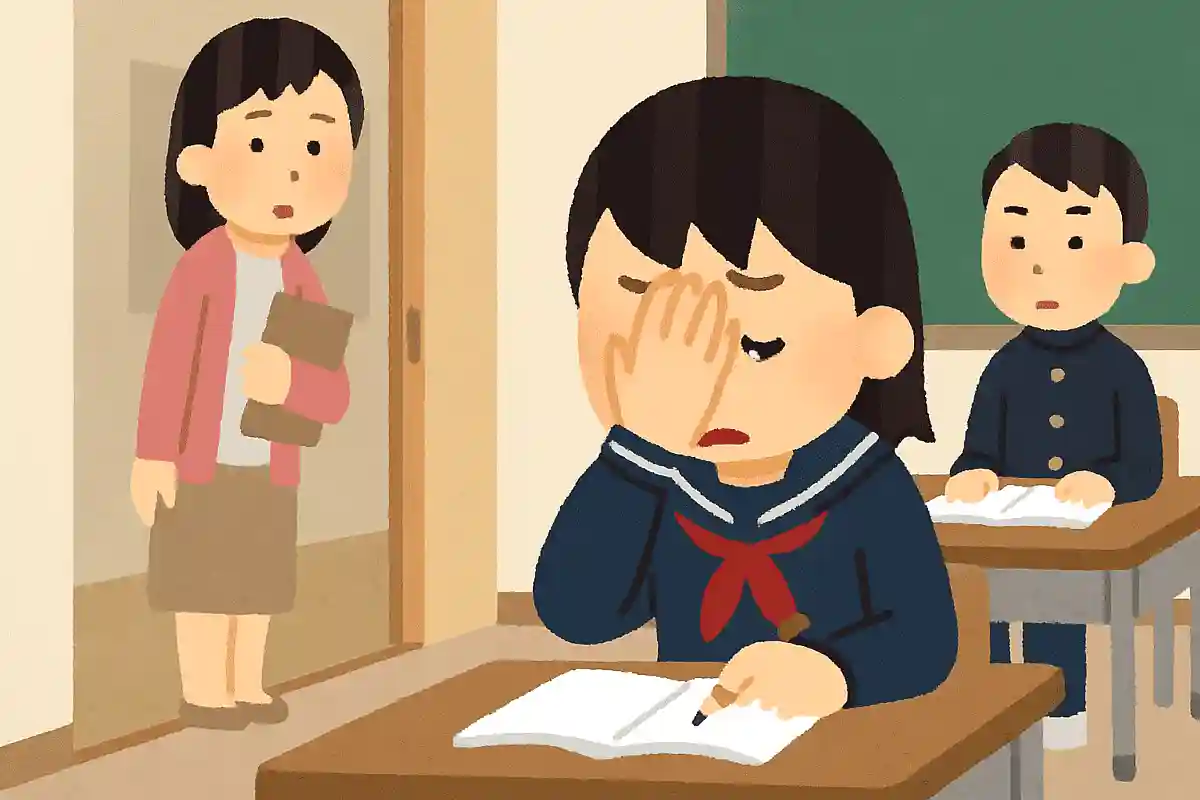
The charm lies in how it portrays the honest feelings and the polite facade so common on school visit days, in very clear language.
They say “Don’t come” to push their parents away, yet they can’t help glancing back to see if they’re there.
That inability to be straightforward stands out sharply within just 17 syllables.
The phrase “saying it while looking” is especially effective, letting us picture them acting tough even as they search for their parent.
The adolescent wavering—embarrassment and dependence existing at the same time—is expressed with humor.
It’s a warm piece that gently conveys the cuteness hidden behind the bravado.
Like a magnet—S on the desk, N on the forehead.
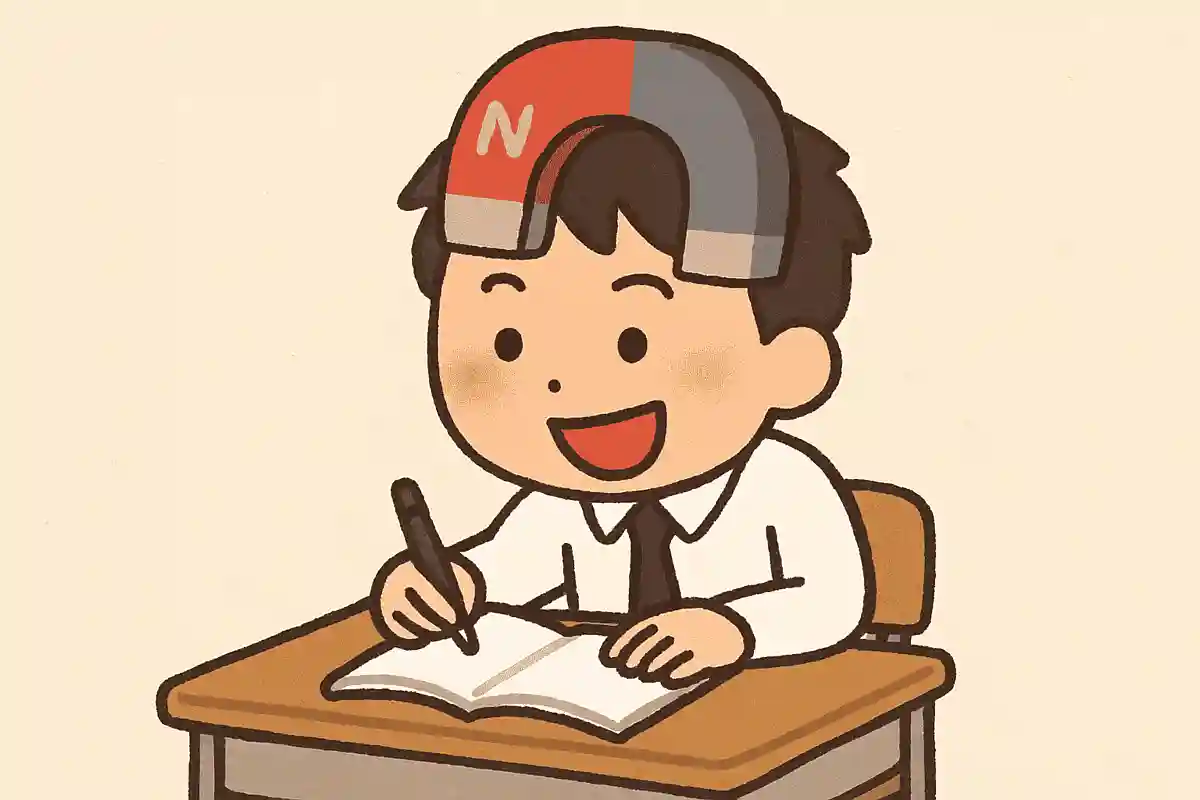
Its charm lies in how it likens a common scene from a middle schooler’s daily life to the S and N poles of a magnet.
The simple image of someone just slumped over a desk asleep is transformed into a markedly humorous and memorable scene tied to science knowledge.
The expression itself is very simple, but the creativity to reframe an ordinary act from a different perspective shines.
Also, by starting with the standalone sentence “Like a magnet,” and then presenting the specific S and N in the latter half, the structure leads the reader to an “I see” moment, making it a pleasantly readable verse.