

[Songs of Kagoshima] The heart of our hometown carried on in song | A curated selection of classic tracks that embody Kagoshima

Majestic Sakurajima, the blue-shimmering Kinko Bay, and traditional culture rooted in a bountiful land.
Kagoshima is home to numerous gems—masterpieces that capture its charm in song.
In this article, we introduce works that convey a deep love for Kagoshima, from songs that sing of the proud, passionate Satsuma spirit to gentle melodies that echo across the islands.
Whether you’re far away now or have never visited in person, please listen while letting your thoughts drift to the beautiful land of Kagoshima.
- The World of Kagoshima Folk Songs: Traditional Melodies that Carry On the Spirit of the Hometown
- [Songs of Kagoshima] The heart of our hometown carried on in song | A curated selection of classic tracks that embody Kagoshima
- [Local Songs] Recommended tracks packed with Japan’s nationwide classics and hometown pride
- A classic song about Kumamoto. The enduring spirit of our hometown passed down through song.
- [Hometown Songs] A curated selection of popular Japanese tracks that fill your heart with nostalgia
- A famous song about Fukuoka. The heart of the hometown passed down through song.
- [Hiroshima Songs] The Heart of Our Hometown Passed Down in Song | A Curated Selection of Timeless Classics Loved Across Generations
- [Tearjerker] Songs that make your heart tremble with tears & moving tracks with lyrics that touch the soul
- [Song of Shimane] Izumo, Matsue, Tsuwano... Exquisite masterpieces depicting Shimane
- [2026] Masterpieces themed on Ehime: from local songs to municipal anthems
- [Song of Osaka] A selection of passionate, warm-hearted Osaka tunes
- Classic songs about Saga. A number of tracks related to Saga Prefecture.
- A classic song about Miyazaki. A song filled with feelings for one’s hometown [2026]
[Kagoshima Songs] The Heart of Our Hometown Passed Down Through Song | A Curated Selection of Classic Tracks That Evoke Kagoshima (31–40)
I’m from Satsuma.

A traditional celebratory song of Satsuma that sings the soul of Kagoshima.
The lyrics are rich with local dialect, conveying the lively atmosphere of festivals and people’s earnest wishes for prosperous business and good health.
Passed down at local festivals since long ago, the piece also became familiar to residents as the tune used in a shochu brand “Kuro Isanishiki” commercial.
In recent years, performance videos have begun appearing online, and the song seems to be spreading in new ways.
When you want to experience the vibrant culture of Kagoshima, why not give it a listen?
Kagoshima Hama-bushi

A traditional melody where the majestic seascapes of Kagoshima and the hearts of the people who live there resonate as one.
The gentle phrasing is accompanied by the timbre of the shamisen, warmly enveloping the listener.
This piece is a folk song that depicts scenes along the west coast of Kagoshima Bay and was originally a type of boat-rowing song handed down in Kagoshima.
It later spread nationwide as an ozashiki song and still plays a role today in conveying Kagoshima’s culture at local events and the like.
It is a song that quietly stays by your side when you wish to reflect on your hometown scenery.
Shunryō main clauseShimauta
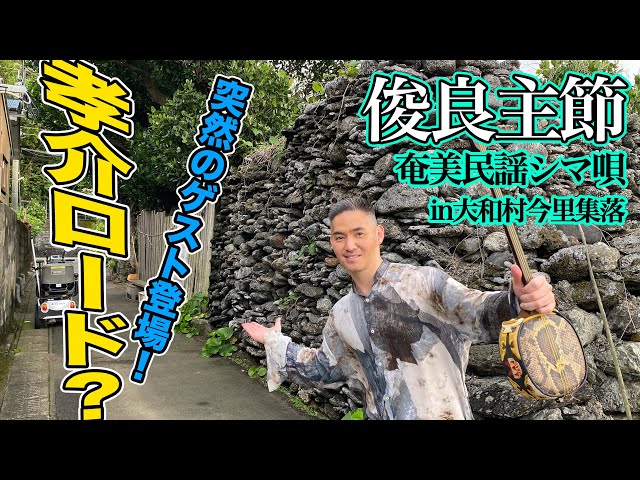
A renowned song with a heart-stirring melody nurtured by the climate of Amami.
It originally expressed passionate love, but after a local legislator’s wife was swept away by the tide in the Meiji era, it came to be sung with deep mourning and consolation.
Sung and recorded by various artists, including Takashi Nakagawa (Atsushi Nakatsuka) [note: Nakagawa Atsushi? If referring to Kousuke Atari, use: by Kousuke Atari], this piece offers a gentle tune that will comfort you when remembering someone dear or when you wish to feel the warmth of your homeland.
Kuninao Yone Ane-bushiShimauta

A single track that sinks deep into the heart, evoking the beautiful seas and greenery of Amami.
It richly sings, to the sound of the sanshin, the tale of the beautiful sisters known as “Kome-nee,” said to have once truly lived there.
For those who listen, it may gently bring to mind the landscapes of a distant homeland and the warm feelings of the people who live there.
Carefully handed down by artists such as Takashige Nakama and Minami Kizuki, this work is one to savor when you feel nostalgic for home or want to immerse yourself in the island’s unhurried flow of time.
Watasya BushiShimauta

A traditional island song that vividly evokes a sea voyage around the Amami Islands.
With a lively yet wistful melody, it sings of the feelings of those who travel by boat from island to island—partings, longing, and love.
Revitalized by a new generation of artists, including collaborations between Chitose Hajime and Kousuke Atari and remixes by Ryuichi Sakamoto, its allure continues to reach contemporary audiences.
Adopted by Kagoshima Prefecture’s cultural preservation initiatives, it is cherished and carefully protected by local communities.
When you want to experience heartwarming island music, why not take the time to listen closely?
[Songs of Kagoshima] The Heart of Our Hometown Passed Down in Song | A Curated Selection of Iconic Tracks That Capture Kagoshima (41–50)
Nagakumo-bushiShimauta

Nagakumo-bushi, which came to be known as a “farewell song” in uta-asobi gatherings, is perceived differently depending on the region—celebrated as a congratulatory song in some areas, and cherished in others as a tune that lures out spirits.
The singing, carried by the timbre of the shamisen, seems to evoke the island’s uniquely unhurried sense of time.
Perhaps it would be nice to listen to this masterpiece of island song—also included on Chitose Hajime’s album—while letting your thoughts drift to the Amami region, a place with a mysterious charm that soothes the soul.
Its profound melodic lines also make it perfect as background music for a quiet night spent alone.
Kagoshima Ohara-bushiMitsubishi Michiya

It is a representative folk song of Kagoshima.
Every November, a mass dance called the Ohara Festival is held in the streets.
With an upbeat rhythm that makes you want to start dancing, the sight of the entire city joining in must be spectacular.
The lyrics, rich with nature and people, are sure to stir nostalgia even in those who have left their hometown.