
Kansai-dialect Songs | A Kansai-born writer thoroughly explains their charm!

There are many dialects in Japan, but Kansai-ben is especially striking, isn’t it?
Because of that, there are plenty of songs based on Kansai-ben, and many classics have been born over the years.
This time, we’re introducing some of those Kansai-ben masterpieces.
As a native Kansai speaker, I’ll also highlight recommended Kansai-ben moments within the songs, so even people from the Kansai region can enjoy this selection!
We’ve picked from both classic and modern Kansai-ben tracks, so it’s a must-see for younger generations too.
- [Song of Osaka] A selection of passionate, warm-hearted Osaka tunes
- [Local Songs] Recommended tracks packed with Japan’s nationwide classics and hometown pride
- Songs to give to your lover or someone you like. Love songs devoted wholeheartedly to your boyfriend or girlfriend.
- Enka songs about Kobe: a collection of famous tracks celebrating the city's port and streets
- Songs in Hakata Dialect That Resonate With the Heart | A Complete Introduction to Local Hakata Songs and Fukuoka-Related Tunes
- [A Cheer for Myself] A pep song dedicated to you who are doing your very best
- [Unrequited Love] Heart-wrenching Love Songs | A Roundup of Tear-Inducing Crush and Breakup Tracks
- [Kyoto Songs] Masterpieces that sing about Kyoto — songs themed on the ancient capital. The enduring heart of our hometown passed down in song.
- Coming-of-age songs for your 50s: heart-thumping × heartwarming classics and popular tracks [2026]
- A roundup of regional enka songs: classic hits that feature places from all across Japan in their lyrics.
- [Tearjerker] Songs that make your heart tremble with tears & moving tracks with lyrics that touch the soul
- Folk songs, children’s songs, and nursery rhymes of Osaka: the enduring spirit of our hometown carried on in song
- Artists from Osaka Prefecture. Recommended bands, idols, and singers
Kansai-Dialect Songs | A Kansai-Born Writer Explains Their Charm in Depth! (11–20)
I loved you even before you were born.yashiki takajin
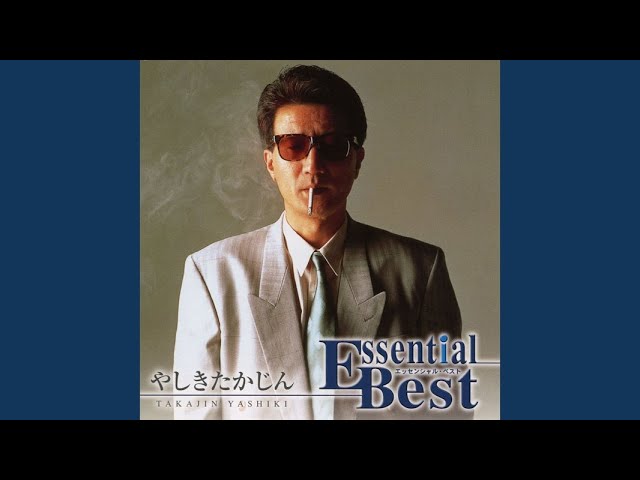
Takajin Yashiki is known as a singer who skillfully expresses women’s feelings, and anyone from the Kansai region likely knows him.
One of his signature works is this song, released in November 1998.
It’s a ballad written and composed by Eigo Kawashima and included on the album “For You – Yappa Sukiyanen -.” The piece centers on deep love and bittersweet longing, featuring lyrics strikingly told from a woman’s perspective.
It beautifully conveys the anxieties that come with happiness and the transience of life, resonating with many listeners.
Paired with Yashiki’s richly emotional vocals, it stands as a moving masterpiece.
Tsuki no Hozenji YokochoFujishima Takeo

It’s a famous song by enka singer Takeo Fujishima that became a huge hit when it was released in 1957.
The lyrics tell the story of a young man striving to become a fully fledged chef and his relationship with the master’s daughter, conveying the old-fashioned spirit toward work and the emotions one feels for someone they admire.
Fujishima’s performance shines with his distinctive singing, blending piercing high notes that cut straight through from the nose to the crown of the head with a rich, resonant low register.

ECSTASY -OSAKA-Yoshimoto Shinkigeki Ōru Sutāzu

The song by the Yoshimoto Shinkigeki All-Stars is a work packed with the full charm of Osaka.
The lyrics brim with Kansai-dialect humor, and the pop, rhythmic melody makes for a perfect combination.
Released in February 1992, it left a lasting impression on many people through its use on Yoshimoto Shinkigeki’s stage productions and TV shows.
Featuring local landmarks like Osaka Castle and Tsutenkaku, it’s recommended not only for Osaka locals but also for visitors.
Put it on during a night out or while traveling, and you’re sure to soak up the Kansai vibe to the fullest.
SO.YA.NAWEST END × YUKI

As a song that fully showcases Kansai-style vibes, it left a powerful impact on the music scene of the ’90s.
The Osaka dialect’s distinctive turns of phrase and the humor-packed lyrics are especially appealing.
It captures young people’s everyday conversations and romantic moments with a perfect balance.
Released in February 1995, it peaked at No.
6 on the Oricon Weekly Singles Chart, and was also used as the ending theme for Fuji TV’s program “Mars TV.” It’s a recommended track not only for those from the Kansai region but also for anyone who wants to savor the charm of Kansai dialect to the fullest.
Perfect for a mood boost or when you want to have a lively time with friends.
You don’t even know a woman’s pure feelings.yashiki takajin

Speaking of songs in the Kansai dialect, Takajin Yashiki is indispensable.
In this work, the lyrics impressively portray a woman’s pure emotions.
They express her bittersweet feelings for a man and her acceptance of her own awkwardness, while still yearning to understand his true intentions.
Takajin Yashiki’s rich, resonant voice further highlights the emotions in the lyrics.
It’s a recommended track for those troubled by love or those who want to cherish sincere feelings.
Be sure to listen to Takajin Yashiki’s moving vocals that will resonate in your heart.
I really like you.Misu Hanako

This work sings of love for Osaka with plenty of humor in Kansai dialect.
By comparing it with Tokyo, it comically showcases Osaka’s charms.
References unique to Kansai—like the Hanshin Tigers, Tengachaya, and Awaji Island—are sprinkled throughout, letting you feel Osaka’s vibe just by listening.
Released in December 1981, this song remains one of Ms.
Hanako’s signature tunes and is still beloved by many.
It’s recommended not only for people from Osaka, but also for anyone fond of the Kansai region or interested in Osaka’s culture.
It’s a sure-fire crowd-pleaser at karaoke, so give it a try!
Kansai-Dialect Songs | A Kansai Native Writer Thoroughly Explains the Appeal! (21–30)
GiftET-KING

In 2018, the frontman Itokin passed away after a hard-fought battle with illness.
Thinking of Itokin’s wishes, there’s something that wells up inside me when I listen to this song.
It’s a love song with a powerful message delivered in just the right touch of Kansai dialect.
