
Kansai-dialect Songs | A Kansai-born writer thoroughly explains their charm!

There are many dialects in Japan, but Kansai-ben is especially striking, isn’t it?
Because of that, there are plenty of songs based on Kansai-ben, and many classics have been born over the years.
This time, we’re introducing some of those Kansai-ben masterpieces.
As a native Kansai speaker, I’ll also highlight recommended Kansai-ben moments within the songs, so even people from the Kansai region can enjoy this selection!
We’ve picked from both classic and modern Kansai-ben tracks, so it’s a must-see for younger generations too.
- [Song of Osaka] A selection of passionate, warm-hearted Osaka tunes
- [Local Songs] Recommended tracks packed with Japan’s nationwide classics and hometown pride
- Songs to give to your lover or someone you like. Love songs devoted wholeheartedly to your boyfriend or girlfriend.
- Enka songs about Kobe: a collection of famous tracks celebrating the city's port and streets
- Songs in Hakata Dialect That Resonate With the Heart | A Complete Introduction to Local Hakata Songs and Fukuoka-Related Tunes
- [A Cheer for Myself] A pep song dedicated to you who are doing your very best
- [Unrequited Love] Heart-wrenching Love Songs | A Roundup of Tear-Inducing Crush and Breakup Tracks
- [Kyoto Songs] Masterpieces that sing about Kyoto — songs themed on the ancient capital. The enduring heart of our hometown passed down in song.
- Coming-of-age songs for your 50s: heart-thumping × heartwarming classics and popular tracks [2026]
- A roundup of regional enka songs: classic hits that feature places from all across Japan in their lyrics.
- [Tearjerker] Songs that make your heart tremble with tears & moving tracks with lyrics that touch the soul
- Folk songs, children’s songs, and nursery rhymes of Osaka: the enduring spirit of our hometown carried on in song
- Artists from Osaka Prefecture. Recommended bands, idols, and singers
Kansai-Dialect Songs | A Kansai Native Writer Thoroughly Explains the Appeal! (21–30)
To my belovedET-KING

This is ET-KING’s third major-label single, released in 2007.
I bet when people hear the chorus, they’ll go, “Oh, this song!” Just like the title suggests, it’s a love song dedicated to someone special.
It’s a track that really conveys the power of ET-KING—and of Kansai dialect.

It’s a sad color, isn’t it?Ueda Masaki

It’s a song that became a big hit in 1982.
The combination of its sound and the Kansai dialect fits perfectly, evoking a kind of bittersweet feeling.
His husky voice firmly captured listeners’ hearts.
The lyrics were written by Chinfa Kan, and the music was composed by Tetsuji Hayashi.

Song of the Old Man from KawachiMisu Hanako
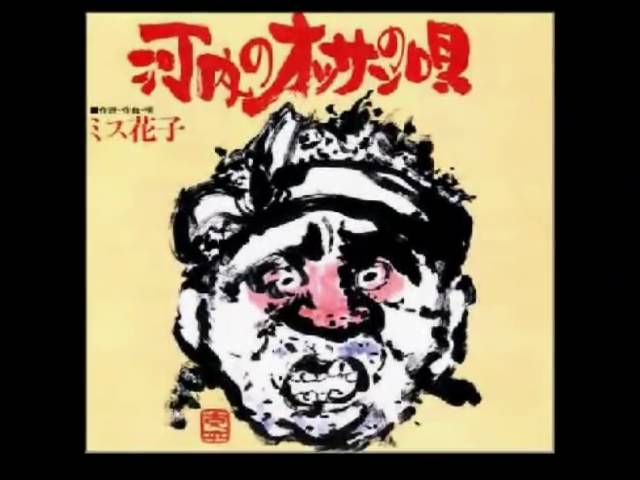
Even within Kansai dialects there are different types, and this is Osaka-ben—in particular, the dialect of the Kawachi region in eastern Osaka Prefecture, known as Kawachi-ben—in song form.
It’s not that he’s angry; that’s just how the dialect sounds.
It was released in 1987.
The funky sound feels great.
Lifetime RespectMiki Dōsan

This is a song that became popular for its Kansai-dialect proposal lyrics.
It’s a signature Kansai-dialect love song.
The straightforward words from a slightly tough-looking guy are honest and pierce the heart.
The reggae sound feels comfortable—such a wonderful track.
Released in 2001.
Keep smilingBEGIN with Ahonasutāzu

This is the song that Sanma Akashiya, who was the host of Fuji TV’s program “27-Hour Television,” spontaneously asked BEGIN to create as the ending theme.
BEGIN improvised it on the spot, and it was used for the ending.
The broadcast received a huge response, and the song was later released.
University student in Kyotokururi

There are many Kansai dialect songs that use the Osaka dialect, but this one is in the Kyoto dialect.
Kyoto is a student city.
It portrays the slightly sentimental everyday life of a university student living in Kyoto.
Since Quruli is a rock band from Kyoto, you can’t help but imagine they’re singing about their own college days.
Pachinko ManBOOGIE MAN

This is a reggae-rap style track created in 1994 by Osaka-based artist Boogie Man for a radio commercial for a pachinko parlor.
It reportedly wasn’t intended for single release, but the striking track generated a flood of inquiries and was eventually released.
It leaves a strong impression with its addictive sound that you can’t forget after a single listen.
