

Folk songs you’ll want to sing at karaoke: classic and popular tunes everyone can enjoy

A showcase of Japanese folk songs, all in one go!
We’ve picked out folk songs you might want to try singing at karaoke!
From timeless classics to slightly lesser-known gems, we’ve curated a wide range.
These days, folk songs no longer sit at the forefront of the scene.
They’re part of Japan’s traditional music, but they don’t usually get a great reaction from the general public.
To share what makes these folk songs so wonderful, we’ve selected some of Japan’s most popular folk numbers this time.
Even if you’re not familiar with enka or folk music, you’ll enjoy this!
Be sure to read through to the end!
- Ranking of Popular Folk Songs
- [Japanese Folk and Regional Songs] A Collection of Beloved Masterpieces from Across Japan, Brimming with Local Pride
- [For Seniors] Songs Everyone Can Sing Together! A Roundup of Recommended Crowd-Pleasers
- [For Seniors] Spring Songs You'll Want to Hum: Feel the Season with Nostalgic Classics
- Popular songs that are easy to sing at karaoke. Recommended classics and hit songs.
- [2026] The Heart of Our Hometowns Carried Through Song: A Roundup of Japanese Folk Singers, Including Young Talents!
- [For Beginners] Recommended Enka Classics for Karaoke — Women Singers Edition
- [Karaoke] A roundup of songs that are easy for women to sing!
- Classic enka songs you’ll want to sing at karaoke: recommended popular tracks
- [Showa Era] A roundup of nostalgic folk song classics and popular tracks you’ll want to sing at karaoke
- Collection of winter nursery rhymes, folk songs, and children's songs. Includes fun winter hand-play songs too.
- Even karaoke beginners can relax! Easy-to-sing songs for men
- Folk Songs of the World | Hometown Songs Passed Down Abroad
Folk songs you’ll want to sing at karaoke: classic and popular tunes everyone can enjoy (1–10)
rice sectionsatou mieko
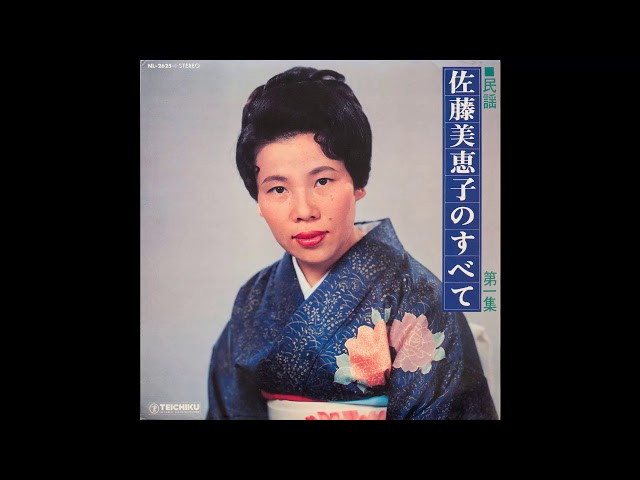
Yone-bushi (Rice Song) belongs to the category of “new folk songs” that emerged from the Taisho era onward.
As its name suggests, it’s a folk song about rice.
Composed in the Showa period, it features relatively easy-to-understand and humorous lyrics that add to its appeal.
This piece is a parody of the 1935 song Hakata Kojoro Namamakura, keeping the original melody while changing only the lyrics.
It has been passed down in Miyagi Prefecture, a major rice-producing region, and lovingly portrays the labor, care, and feelings involved in cultivating rice—an affectionate rice song from rice farmers.

Akita Funakata-bushiOno Hanako

Akita Funakata-bushi is notable for its lively interjections.
As its name suggests, it’s a song about sailors from Akita Prefecture, featuring amusing lyrics related to boats and the sea.
The shamisen and drum accompaniment is bustling and fun; among the folk songs of the era, it stands out as flashy yet pleasant—what we might now call an up-tempo piece.
This song falls into the genre known as “sawagi-uta” (rowdy party songs) and was sung at drinking gatherings and banquets.
It is deeply rooted in the local culture, with contests even held in Oga City, Akita Prefecture.
Kuroda-bushiShimazu Aya

Kuroda-bushi was known not only in Fukuoka Prefecture but throughout Japan as a classic song sung at drinking parties.
Its lyrics are perfectly suited to such occasions, and the opening lines about sake give this folk song a distinctive flavor unlike others.
Sung in honor of the Fukuoka samurai, it charms with a witty play on words between “Kuroda-bushi” (the song) and “Kuroda-bushi” (Kuroda warriors).
With a deeply masculine, weighty, and powerful melody, it evokes the spirit of Fukuoka’s land and people.
It’s a folk song you’ll want to belt out proudly and enjoyably at any banquet.
Folk songs you’ll want to sing at karaoke: classic and popular tunes everyone can enjoy (11–20)
Tokyo OndoHikawa Kiyoshi

Tokyo Ondo is a relatively new folk song born in 1932.
It was originally composed and written under the name “Marunouchi Ondo” to boost morale and aid the recovery from the 1923 Great Kanto Earthquake.
The song was later renamed “Tokyo Ondo” and became a huge hit.
As intended, it encouraged the people of Tokyo and gave rise to many stories.
Even today, it continues to be sung as a supporters’ song for the baseball team Yakult Swallows and the J.League club FC Tokyo.
It is a folk song that represents modern Tokyo.
Soma Bon SongMisora Hibari

The folk song Soma Bon Uta from the Soma region of Fukushima Prefecture was released on record in 1937 and became a big hit.
True to its title, even today during the Bon Odori season every August, there are areas in Fukushima where dancing Bon Odori to this song has become an annual tradition.
It is also known as one of Hibari Misora’s signature songs; with bold new arrangements, it gained even more popularity and fame.
Another appeal is its highly auspicious lyrics, which pray for a bountiful harvest in the Soma region, once known for its rice production.
Yagi-bushiEri Chiemi

Yagibushi is sung across two prefectures, Gunma and Tochigi.
It’s a song distinguished by its powerful, vigorous accompaniment and melodic phrases.
Its most notable feature is the way the rhythm is marked by drumming on barrels, and this sound and beat form Yagibushi’s core identity.
Its history and dissemination are documented in considerable depth and detail, and the Yagibushi Festival is still held every year.
Among the many folk songs, its exceptionally robust rhythm makes it a track you can thoroughly enjoy even today.
Setsu ToyamaKikuchi Shoko
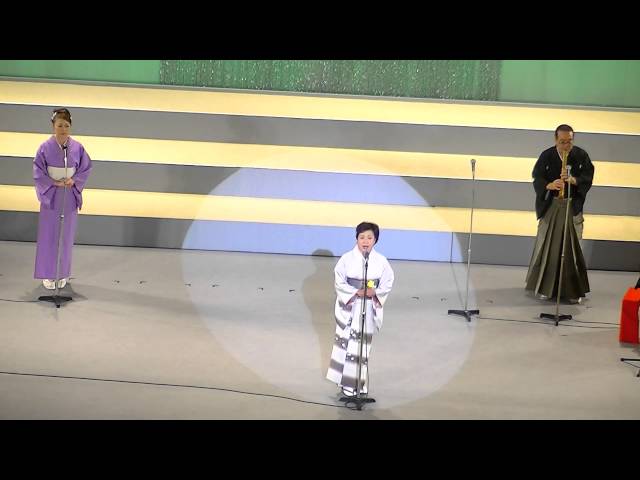
Born in 1891 (Meiji 24) and transcribed in the early Showa period before being passed down through the years, this is “Toyama-bushi,” a grass-cutting song sung at a ranch in Morioka City, Iwate Prefecture.
As you can see, many folk songs were sung by working people, and their charm lies in how they reflect the climate and character of each region.
Although the Toyama Imperial Ranch that served as the setting for this “Toyama-bushi” no longer exists, the fact that it remains as a song reminds us of the power of music.
It seems to be so popular in Morioka that there is even a national competition featuring live performances of Toyama-bushi.