


Fun for childcare! Summer Festival Trivia Quiz & Fun Facts Questions

A summer festival is a fun event for children! Even at daycare and kindergarten, wearing yukata and dancing the Bon Odori lets them enjoy the festive atmosphere.
Playing pretend with food stalls and dividing up roles also helps them learn to cooperate.
By learning about the origins of summer festivals and local culture, children have the chance to develop gratitude for nature and understand their community ties.
Experiences like these create wonderful memories for kids.
Make your summer festival even more enjoyable with trivia quizzes and fun facts about summer festivals!
Fun for childcare! Summer Festival Trivia Quiz & Tidbits (1–10)
What is the classic festival treat “cotton candy” made from?

- flour
- rice
- sugar
See the answer
sugar
Fluffy, sweet, and delicious cotton candy is something you often see at festivals, right? Cotton candy is made by melting sugar at a high temperature and spinning it out into thin threads using centrifugal force. As the sugar spins into thread-like strands, it turns into fluffy cotton candy.

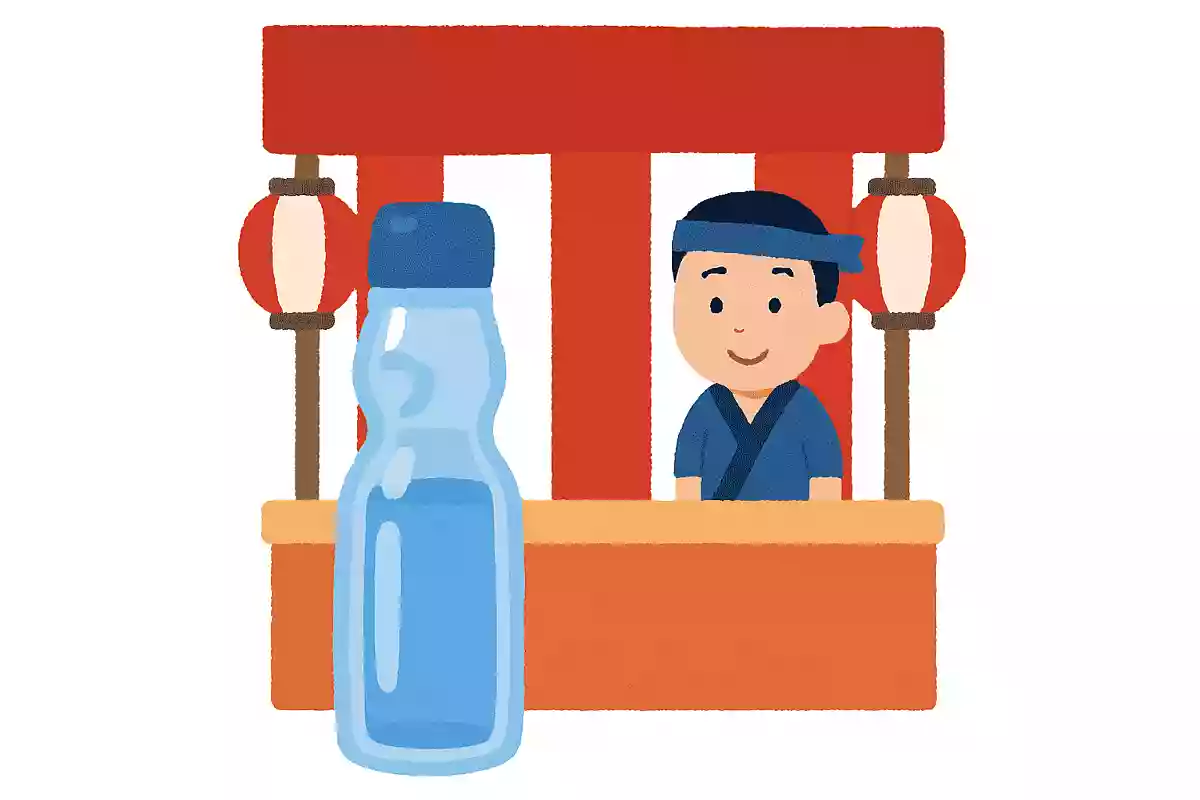
“Ramune” sold at festivals. There is something inside the bottle. What is it?
- marble
- Button
- pebble
See the answer
marble
In a Ramune bottle, a marble is used to keep the carbon dioxide sealed in. A distinctive feature is opening it by pushing the marble down when you drink.
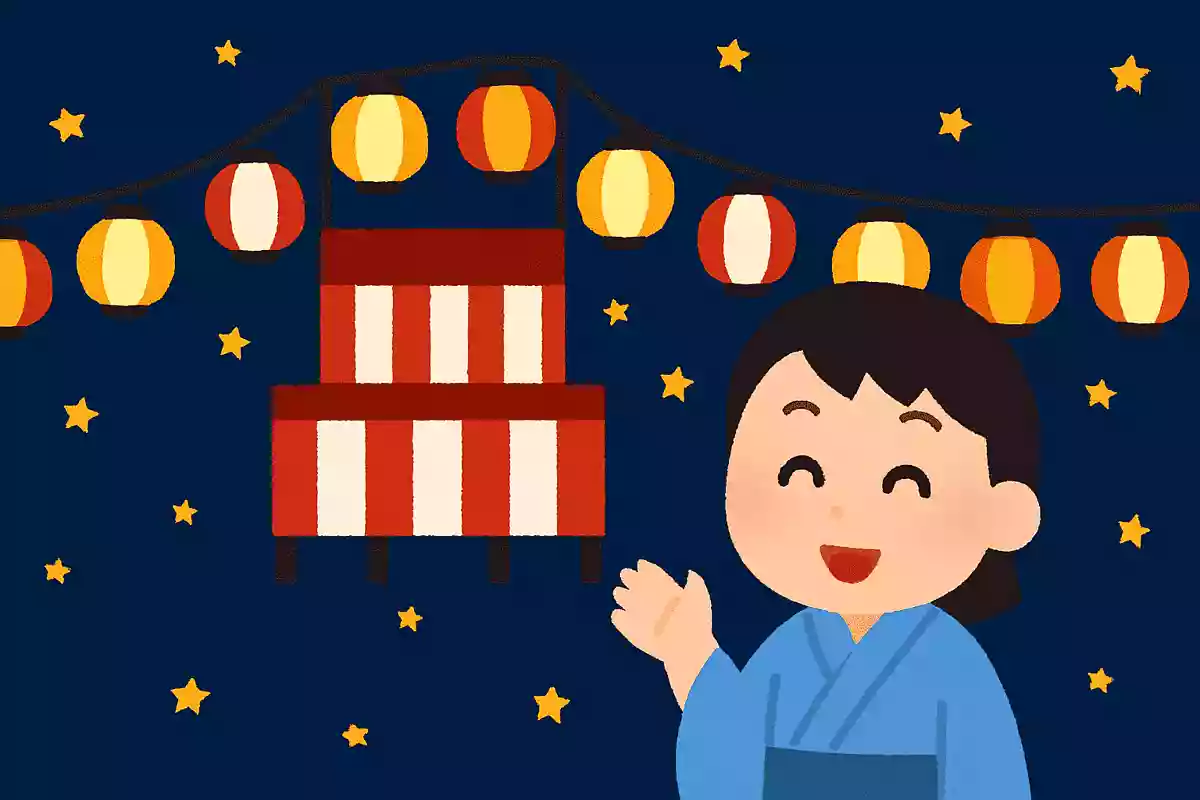
What do you call the lights used to decorate so that festivals can be enjoyed even at night?
- lantern
- kotatsu
- bonfire (beacon fire/torches used as signal or illumination)
See the answer
lantern
The lights displayed at festivals are called “chochin,” and they are traditional Japanese lighting fixtures. Made of paper or cloth, they beautifully illuminate nighttime festivals.
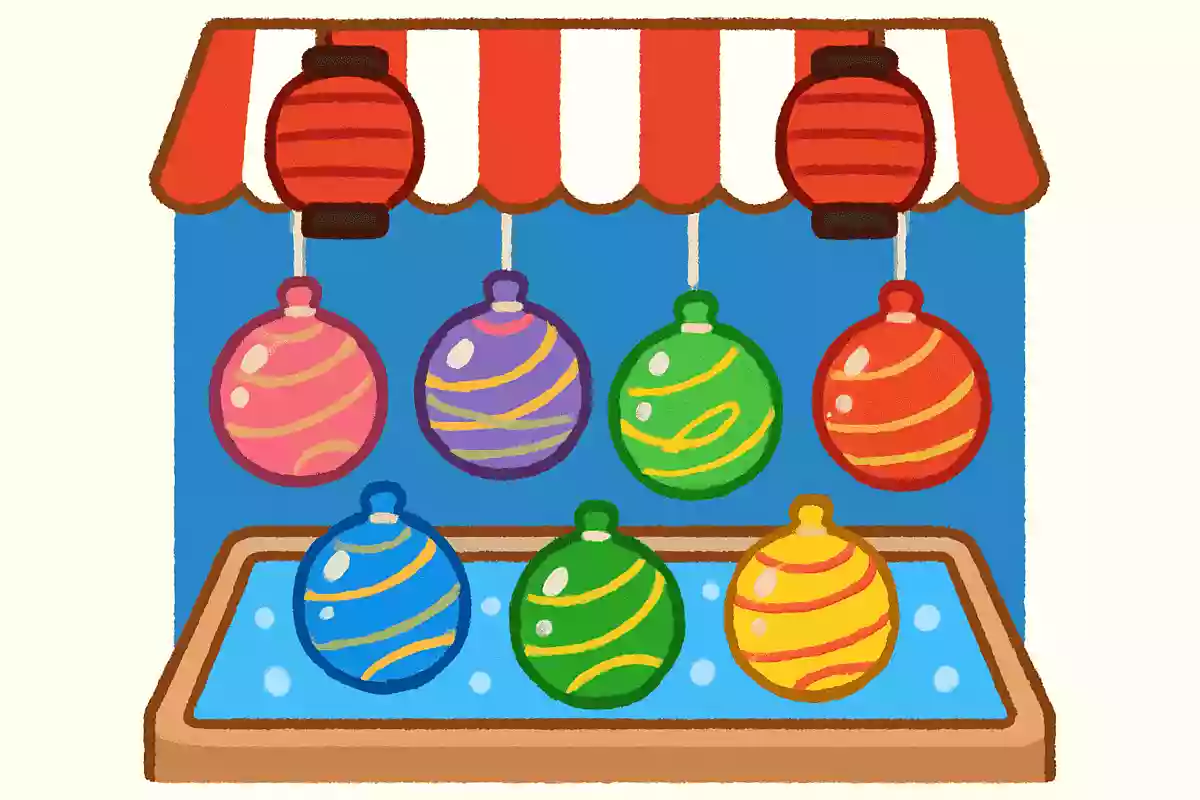
The ‘water yo-yo’ sold at festivals—when was it invented?
- Edo period
- Taisho era
- Showa era
See the answer
Showa era
Water yo-yos originated in Japan around the mid-Showa era. They began to spread particularly in the late 1950s (Showa 30s) and became a staple game at festivals.
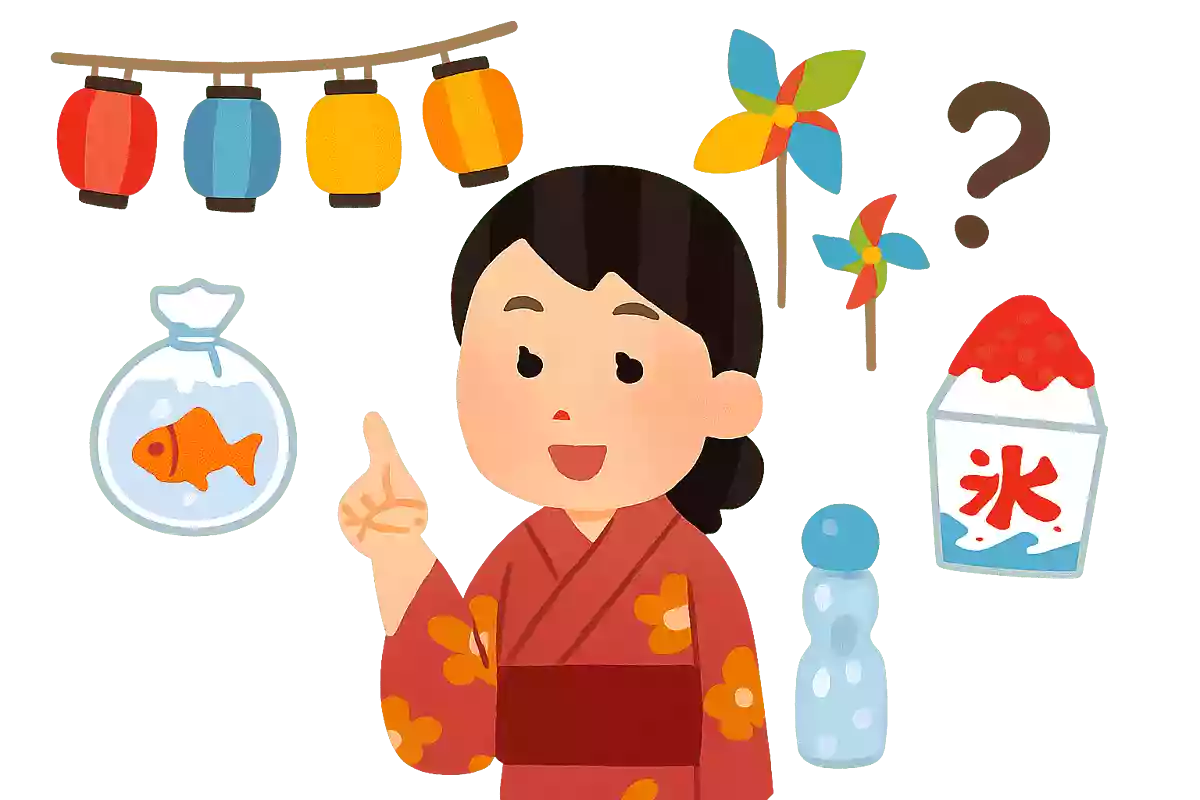
What was the glass marble used in ramune called?
- marble
- mikan-dama (literally “mandarin/orange bead”; can refer to a small round orange candy, bead, or marble depending on context)
- Ramune ball
See the answer
marble
Ramune is popular even at summer festivals. The glass ball inside a ramune bottle has long been called a “bi-dama” (marble). The “bi” in bi-dama comes from vidro, the Portuguese word for glass, which is the material used to make the marbles.
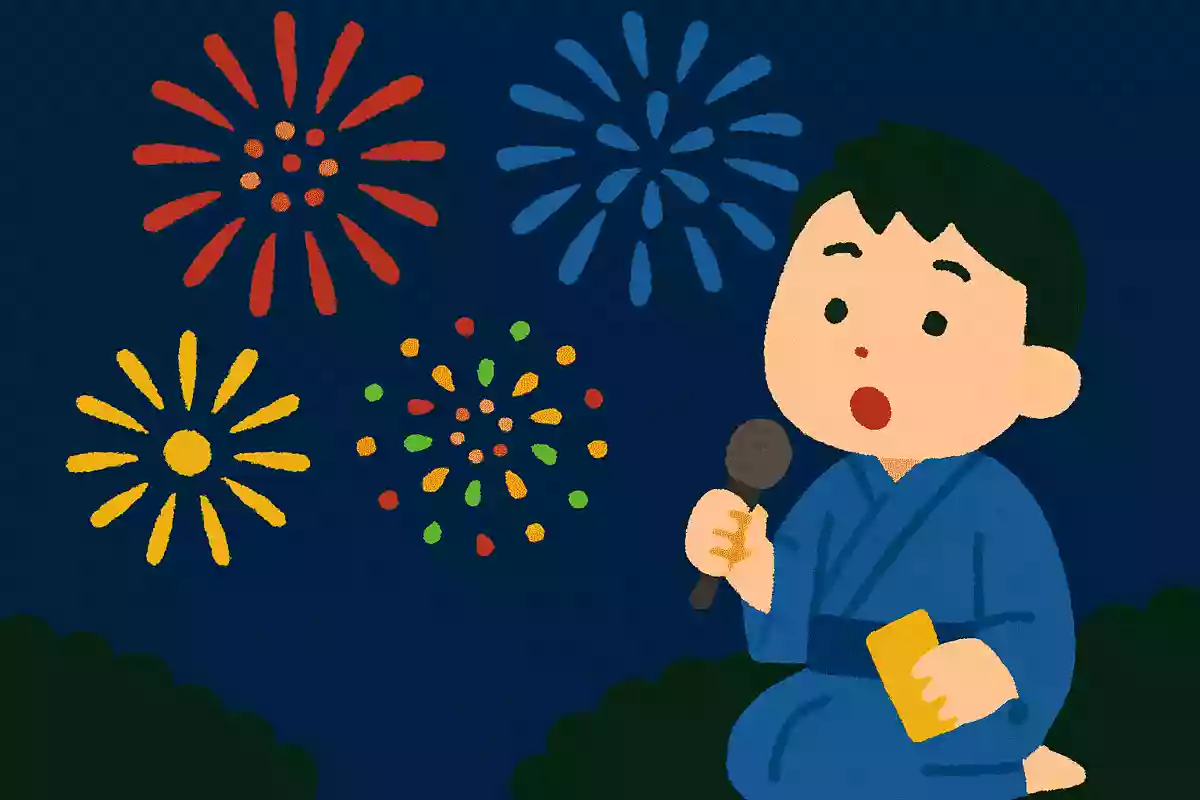
August is the season when many fireworks festivals are held. These days we can see all kinds of fireworks, but there is a color that simply cannot be produced in fireworks. What color is it?
- blue
- purple
- black
See the answer
black
Fireworks produce colors through combustion, but black emits almost no light, so it cannot be represented in fireworks. While you can see colorful hues like red, blue, green, and yellow, black is a rare color that cannot be made into a firework.
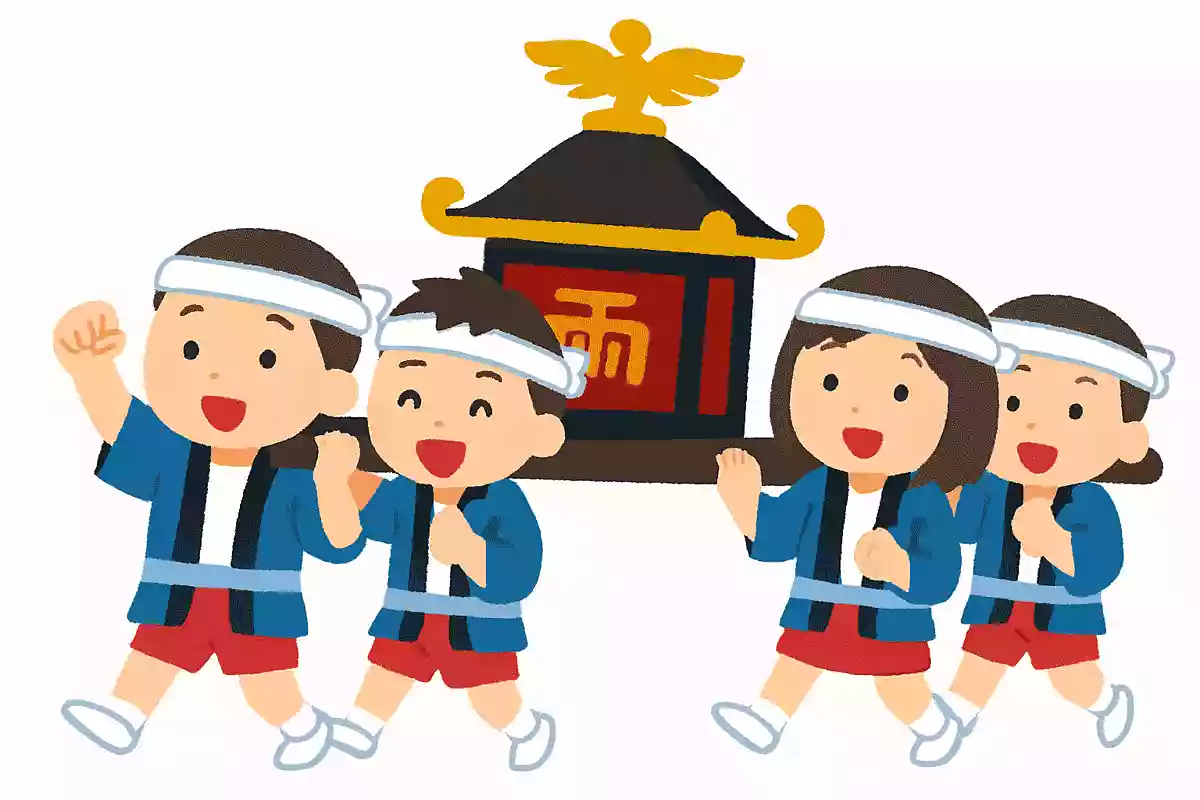
Which of the following is the common chant when carrying a mikoshi?
- Go for it!
- Hooray!
- Wasshoi!
See the answer
Wasshoi!
The classic chant when carrying a mikoshi is “Wasshoi!” It can vary by region, but it’s commonly used all across Japan.