

[Childcare] Tanabata Trivia Compilation | Learn About the Festival


July 7 is also a traditional Tanabata event in early childhood education.
This date is based on the old calendar and is designated by the National Astronomical Observatory of Japan.
Children love decorating bamboo branches and writing their wishes on tanzaku strips.
In addition, the legend of Orihime and Hikoboshi is very romantic and a great way to spark children’s imaginations.
Here, we introduce a quiz about Tanabata.
By learning the meanings and origins of Tanabata-related customs, you can enjoy the festival even more.
Be sure to think and play together with the children!
- [Childcare] Recommended for Tanabata party! Fun and exciting performance/activity ideas
- A childcare quiz to enjoy on Children's Day! Learn about traditions and customs
- [Childcare] Fun with kids in July! Quizzes about events and food education
- [Childcare] Perfect for Tanabata! Craft ideas for Orihime and Hikoboshi
- [Childcare] Simple Tanabata decoration ideas made with origami
- [Get Excited!] True or False Quiz You Can Enjoy at a Daycare!
- [Quiz] Tricky silhouette quiz to incorporate into childcare
- [For Preschoolers] Fun Riddle Collection
- [Childcare] Summer Quiz Activities for Kids | Deepen Their Learning
- Fun for childcare! Summer Festival Trivia Quiz & Fun Facts Questions
- August quizzes that liven up childcare
- [Childcare] Fun! Hinamatsuri (Girls’ Day) Quiz Roundup
- [Childcare] A collection of quizzes related to May! Let's think about them together with the children.
[Childcare] A collection of quizzes about Tanabata | Let’s learn about the festival (21–30)
Which of the following is a traditional food commonly eaten on Tanabata?
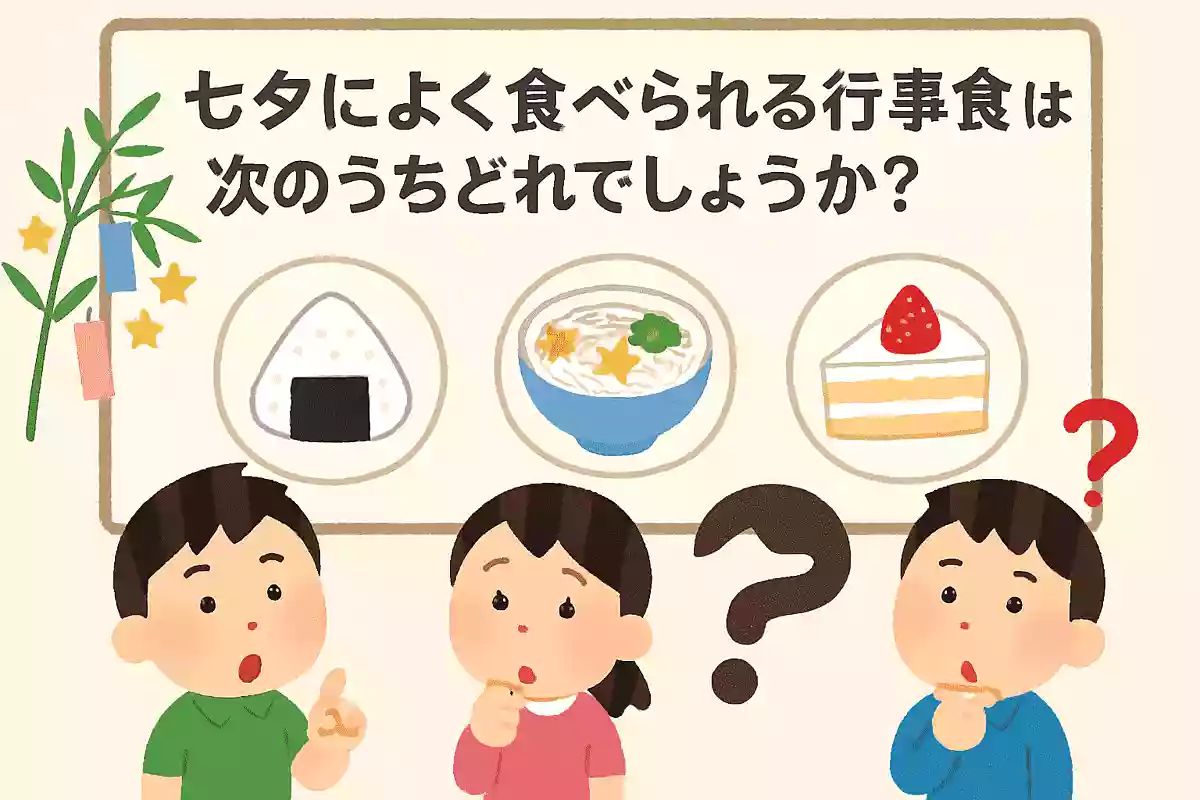
- somen (thin Japanese wheat noodles)
- kagami mochi (traditional Japanese New Year rice cake decoration)
- kashiwa mochi (oak leaf-wrapped rice cake)
See the answer
somen (thin Japanese wheat noodles)
The custom of eating somen noodles originates from a Chinese confection called sakubei that used to be eaten. It was a sweet for wishing good health and freedom from illness. There are also various other theories—for example, that somen represents the Milky Way.

On what month and day is Tanabata?
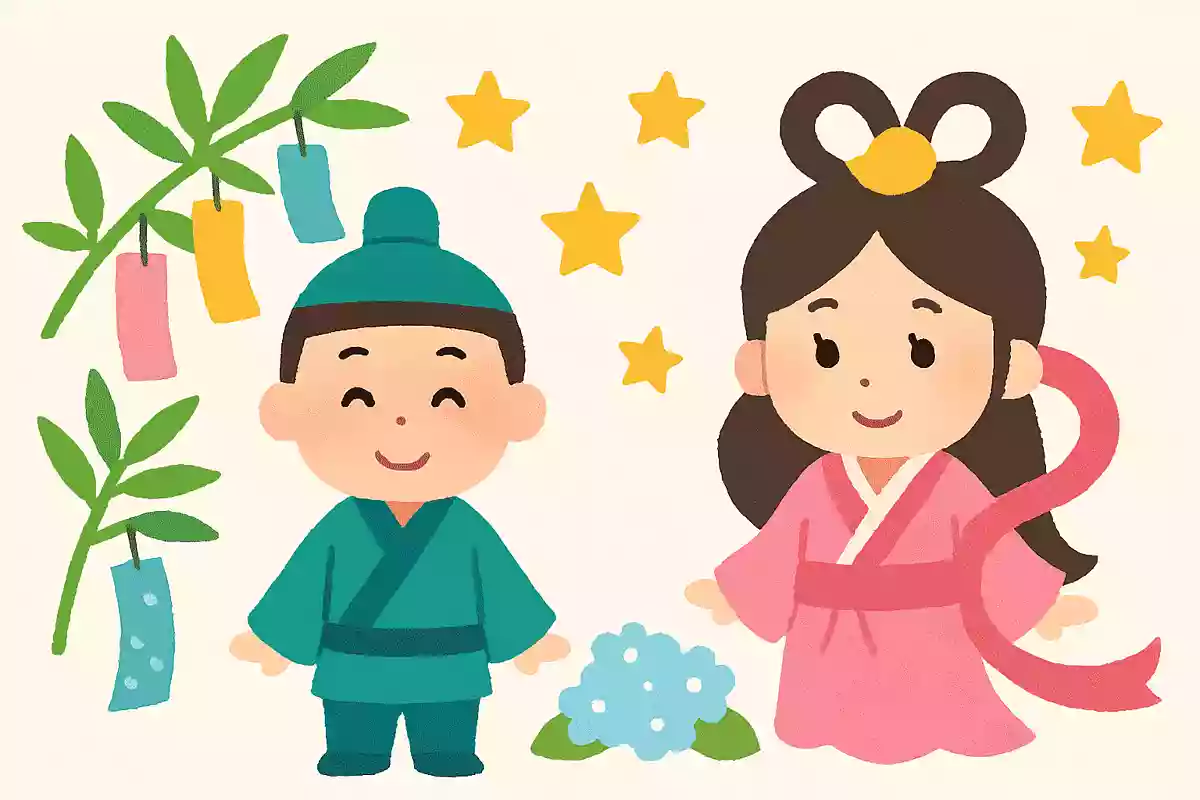
- July 7
- March 3
- January 1
See the answer
July 7
The Tanabata on July 7 is called the traditional Tanabata and refers to the 7th day of the 7th month in the old lunar calendar. When converted to the current solar calendar, Tanabata actually falls sometime from early to late August. The National Astronomical Observatory of Japan announces the date of Tanabata each year.
Which of the following can be made using bamboo leaves?
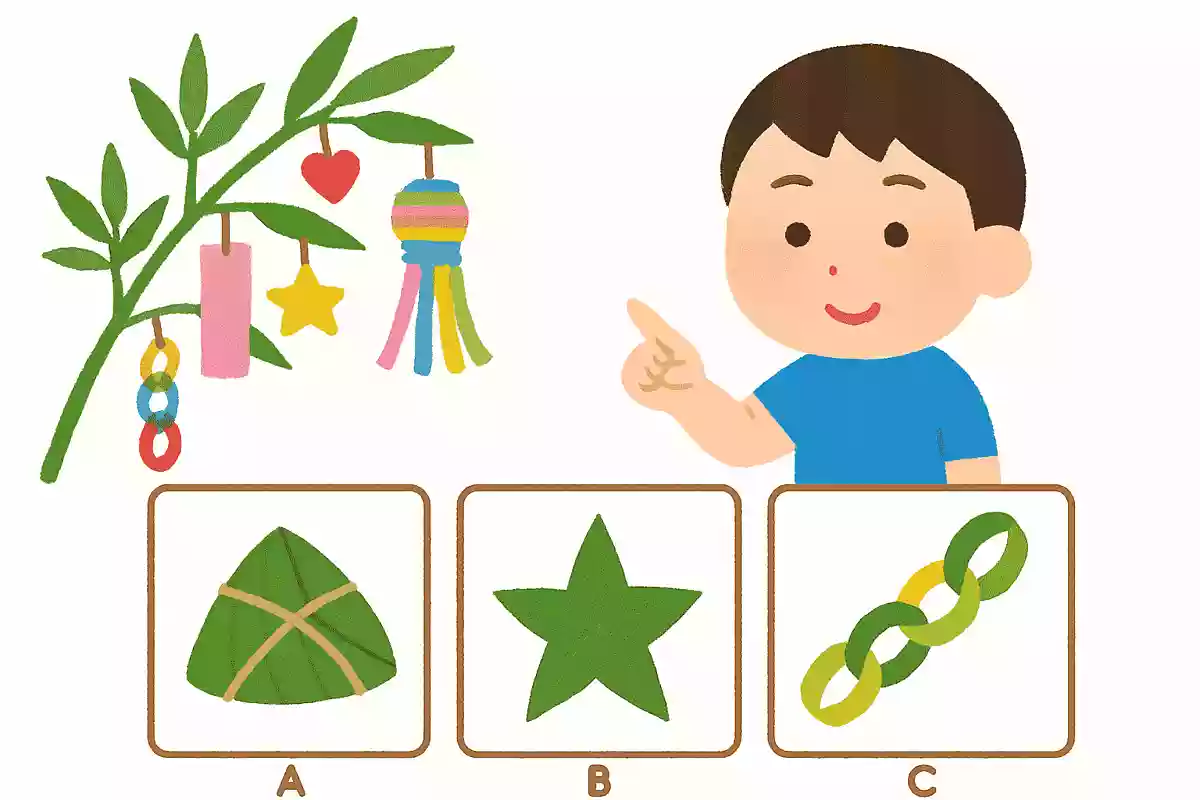
- windmill
- boat
- airplane
See the answer
boat
A sasa-bune is a simple craft you can make with bamboo grass leaves. Making one with real leaves might be difficult for children at preschool. How about using a milk carton or similar materials to make something that looks like a sasa-bune?
In the song “Tanabata-sama,” what does the word nokiba refer to?
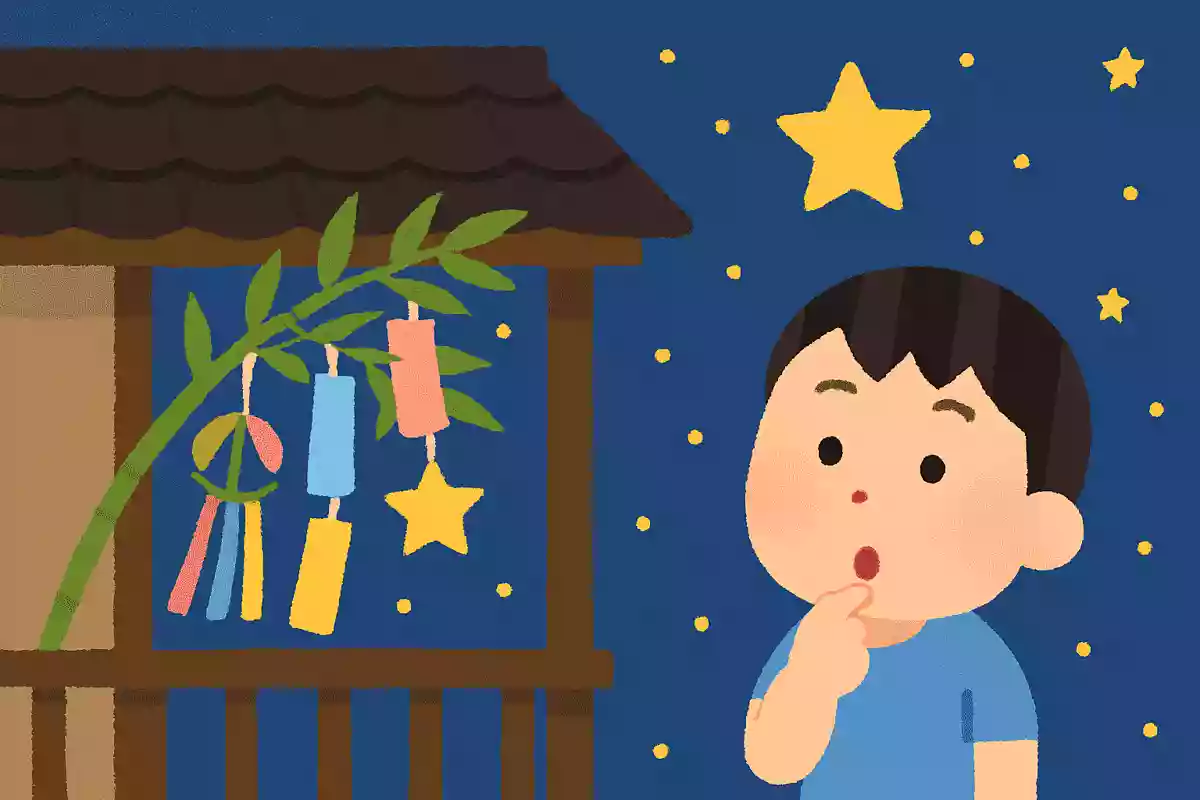
- the edge of the roof
- A place where there are cows and horses
- a place to hang the laundry
See the answer
the edge of the roof
In old houses, the part of the roof that juts out from the building was called the eaves. Since bamboo leaves were often displayed at the entrance, that’s why they appear in the song.
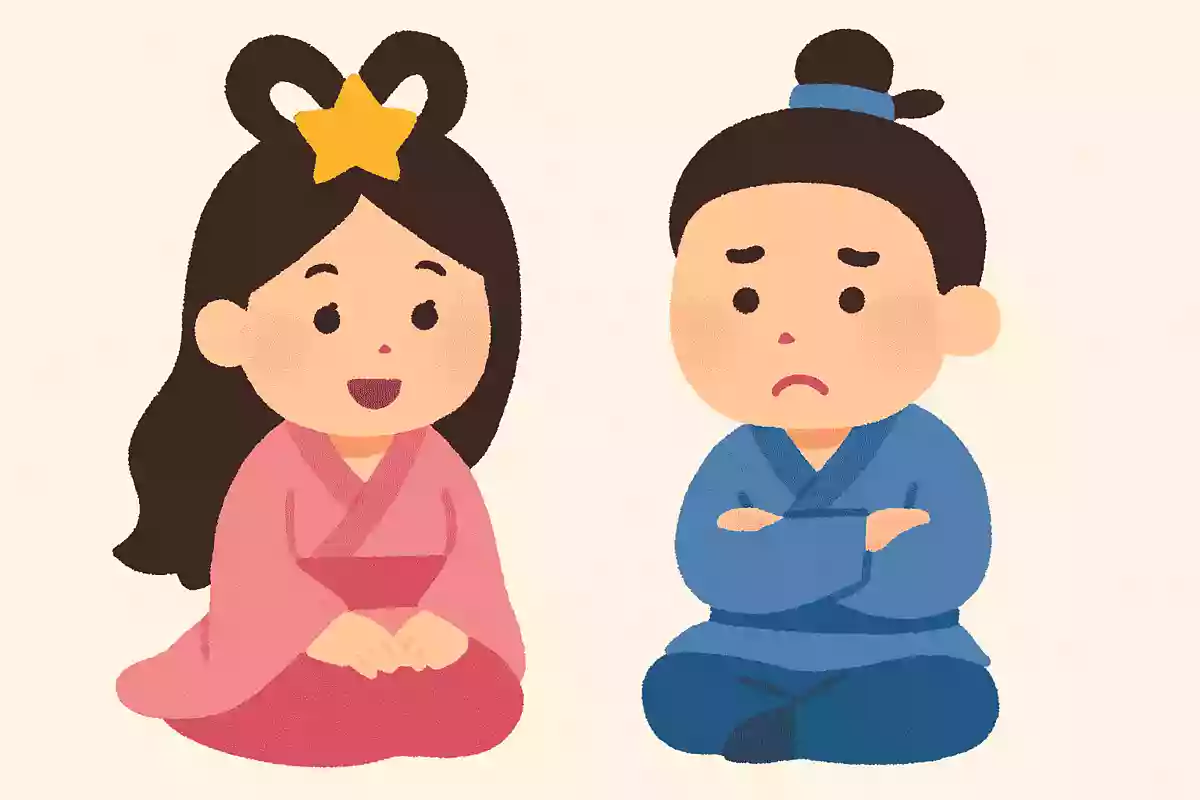
Why did Orihime and Hikoboshi end up being separated?
- Because I got lost
- Because I played too much
- Because (I) played a prank.
See the answer
Because I played too much
It is said that although Orihime and Hikoboshi were both hard workers, after they married they did nothing but play, were scolded, and ended up being separated. Incidentally, Orihime’s work was weaving, and Hikoboshi was a cowherd.
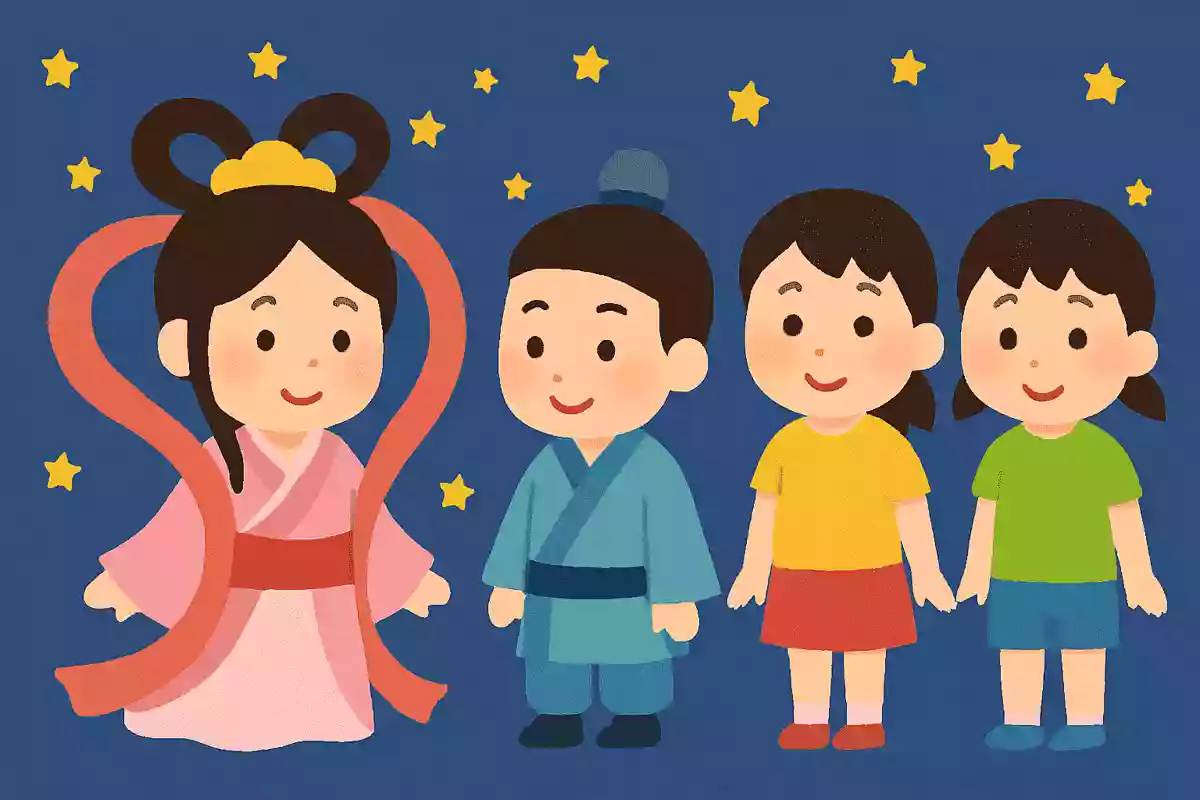
Which of the following pairs can meet once a year on Tanabata?
- Orihime and Hikoboshi
- Santa and the Reindeer
- The Emperor doll and the Empress doll
See the answer
Orihime and Hikoboshi
Two people reunited at Tanabata. There are various theories about the weather that day: some say they cannot meet if it rains, while others believe the rain is tears of joy when they do meet. It’s a romantic tradition.
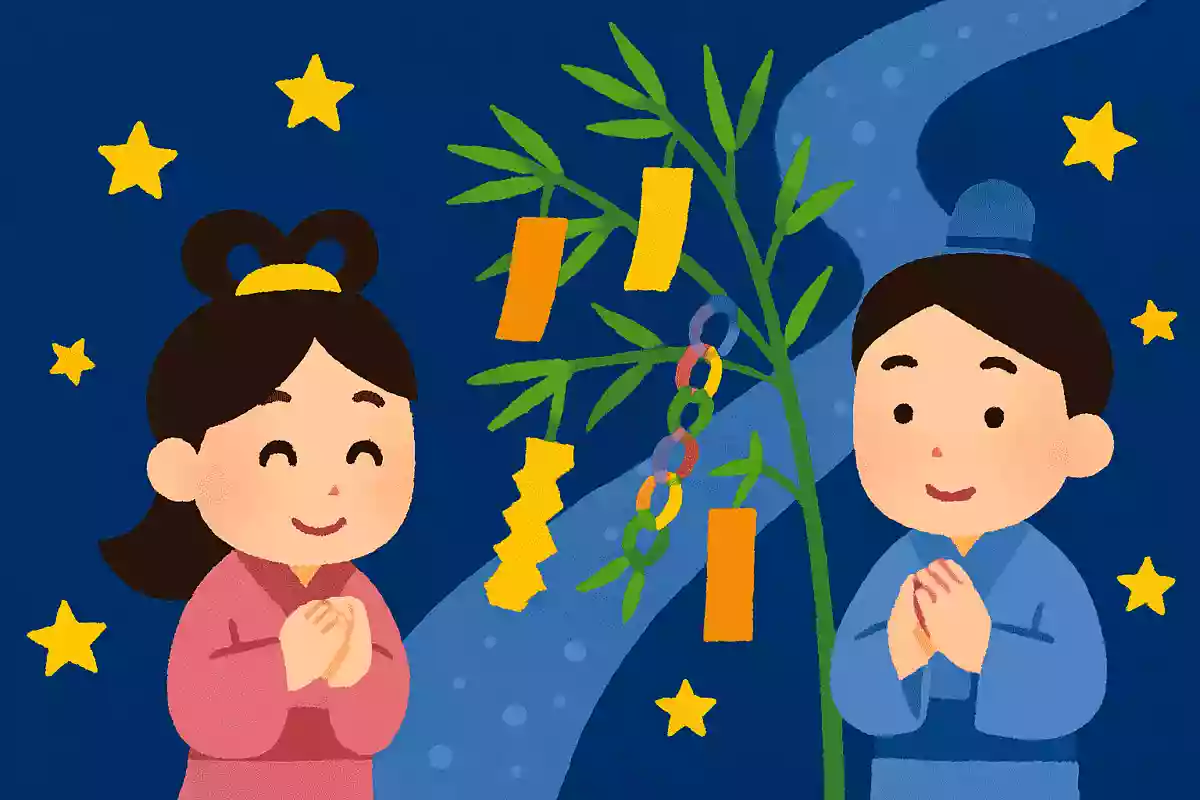
On Tanabata, people make wishes. Originally, what kind of things was this event meant to ask for?
- I hope I get smarter.
- I hope I can run faster.
- I hope I get better at sewing.
See the answer
I hope I get better at sewing.
Orihime’s work is weaving. Orihime’s star, Vega, symbolizes the craft of sewing. Therefore, in the past there was a custom of praying for improvement in sewing. Today, it’s an enjoyable festival where people make all kinds of wishes.
In conclusion
We introduced a set of childcare quizzes related to Tanabata. For children, Tanabata is one of the fun events where they write wishes on tanzaku strips and make festival decorations. Let’s also learn about its origins and meanings to deepen our understanding. Getting involved in the event with genuine interest may help create a different kind of memorable experience.