

Even karaoke beginners can relax! Easy-to-sing songs for men


At karaoke with friends, there are probably many men who feel, “I’m actually not good at singing and I get nervous…” right? No one wants to go off pitch or miss the high notes and feel embarrassed.
The truth is, there are plenty of songs that anyone can sing comfortably, as well as classic tracks that get the whole room excited! This time, we’re introducing J-POP karaoke songs that even those who aren’t confident in their singing can perform with peace of mind.
We’ve selected many songs with simple melodies and rhythms that are easy to remember, so please use this as a reference!
- Karaoke songs recommended for men with low voices or who are good at singing in a low register
- No worries even if you’re not confident in your singing! Simple, easy-to-sing songs for karaoke.
- [Karaoke] Songs That Make It Easy to Score High | From Classics to the Newest Hits
- [For Men] What Karaoke Songs Make It Easy to Score 100? A Curated List of Easy-to-Sing Tracks
- Must-see for men: Songs that look cool if you can sing them at karaoke—numbers that women can’t help but be captivated by.
- Karaoke songs where even men with low voices can aim for high scores
- [Men in Their 50s, Gather Up!] Classic Karaoke Crowd-Pleasers & Easy-to-Sing Hits
- [Even If You're Tone-Deaf, It's Okay!] Easy-to-Sing Karaoke Songs and Practice Tracks
- Karaoke songs that are easy for teenage boys to sing: selections from popular artists
- [For Men] This song is perfect for hyping up the crowd at karaoke!
- No worries if you're tone-deaf! Easy-to-sing J-pop songs for karaoke
- [For Men in Their 20s] Easy-to-Sing Oldies & Recent Songs for Karaoke
- Songs Women Want Men to Sing: Popular Karaoke Picks Chosen by Girls
Karaoke Beginners Welcome! Easy-to-Sing Songs for Men (11–20)
freesiaMarushii

Marcy, whose lyrics gently capture everyday happiness and sadness and the emotional swings anyone can relate to, paired with melodies that resonate deeply, enjoys immense popularity especially among younger listeners.
Released in April 2025, “Freesia” is quintessentially their style—a medium-tempo ballad that poignantly sings of a woman lost in the depths of love.
Its melody line is very straightforward without dramatic leaps in pitch, making it an easy song to remember and sing, so it’s one you should definitely try at karaoke.

Ballad of a SingerSaitō Kazuyoshi

Released in November 1997, this is Kazuyoshi Saito’s 15th single.
True to Saito’s appeal for distinctly masculine vocals, you don’t need delicate high notes to sing this song.
While the melody does include some relatively high pitches, rather than belting them out smoothly, slightly strained highs will likely make the song more expressive.
So instead of someone who excels at high notes, it might actually suit a singer who’s a bit less comfortable up there and can deliver them with a forceful, pushed quality.
Just be careful not to let your voice crack from overexertion.

Romantic Flightkome kome CLUB

Kome Kome Club’s 10th single, released in April 1990.
While Carl Smoky Ishii is fairly well regarded for his vocal ability, his vocal range here stays within a range that an average male singer can comfortably cover.
The melody, characteristic of songs from that era, isn’t particularly difficult either, so singing this song at karaoke shouldn’t be too hard.
If you support your voice solidly from your diaphragm so the low–mid tones don’t get buried in the accompaniment, you’re sure to earn the respect of those around you.
That’s good too.kocchi no kento

Kocchinoken, a multi-creator whose household name skyrocketed with the 2024 hit song “Hai Yorokonde,” released a track in May 2025 titled “Sore mo Ii ne,” written specifically as the theme song for the children’s TV program The Wakey Show.
Because it was composed for kids, it’s extremely catchy and easy to remember, with a melody that even those who aren’t confident singers can enjoy singing.
For example, it would surely be a hit at family karaoke when a dad sings it for the children.
Of course, it’s also great for adults to sing together and feel like kids again!
Goodbye ElegySuda Masaki
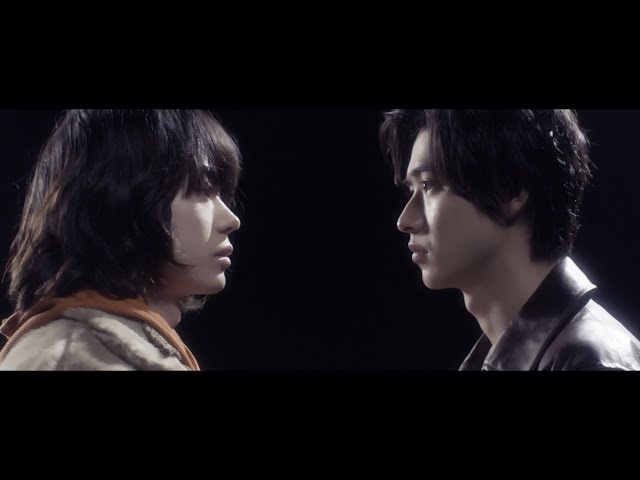
This is the third single overall by Masaki Suda, who is active both as a singer and an actor, released in February 2018.
It was also the theme song for the drama “Kiss that Kills,” in which Suda himself appeared.
The lyrics and composition are by Huwie Ishizaki, known as Suda’s close friend.
You don’t need advanced vocal technique to sing this song.
Like the performer himself, Masaki Suda, sing it through with a passionate voice.
If the high notes in the final chorus feel tough, try lowering the key a little.
cherry blossomKobukuro

Kobukuro’s 12th single, released in November 2005.
It won the Gold Prize (now the Excellence Award) at the 47th Japan Record Awards, and from March 18, 2007 to March 1, 2010, it was used as the arrival chime at JR Nishi-Nihon’s Tokaido Main Line (JR Kobe Line) Sakura Shukugawa Station.
It has also been included in high school Japanese language textbooks.
Since it was later used as the theme song for the Fuji TV drama “Ns’ Aoi,” many of you may have heard it.
Compared to hit songs from the Showa era, its melodic development has a somewhat ‘modern complexity,’ yet it’s a track whose striking and catchy chorus really sticks in your ears.
Choose a key that lets you sing with as much brightness and resonance as you can without straining, and give it a try.
Even karaoke beginners can relax! Songs that are easy for men to sing (21–30)
tinglingyuzu

This song was released digitally on July 30, 2025, and was written as a tie-in for Suntory’s bourbon whiskey Jim Beam.
It’s a characteristically Yuzu-style track: fresh and up-tempo.
It seems Yuzu themselves also appear in the web commercials.
In the backing band, the piano really stands out, and the drums and bass are easy to hear, making it easy to catch the rhythm.
In the chorus, there’s a leap from D4 to A4 on the syllable “ma.” The “ma” sound tends to be nasal and can be hard to project, so try to put about five times more intention into your voice than you think you need.
The key is to project your voice briskly as if aiming into the distance! If it comes out smoothly without catching, you’ve nailed it.
Be sure to hit those high notes there when you sing!
