

Mussorgsky’s masterpiece. Popular classical music.

We’ll introduce masterpieces by Modest Mussorgsky, famous for Pictures at an Exhibition and Night on Bald Mountain (St.
John’s Eve on the Bare Mountain).
Isn’t Pictures at an Exhibition by Ravel?
Many people may say they’ve heard Night on Bald Mountain, but the original is of course by Mussorgsky; it became famous through performances of various arrangements.
Contrary to what you might expect, Mussorgsky actually wrote relatively few standalone orchestral pieces, leaving many songs and piano works instead.
I want you to get to know Mussorgsky’s original music, so this time I’ll be introducing some of his masterworks.
- A gem of a masterpiece by the composer of the piano suite Pictures at an Exhibition by Mussorgsky.
- Dvořák’s masterpiece. Popular classical music.
- Rimsky-Korsakov’s Masterpieces | The Vividly Colorful World of Russian Music
- Classical masterpieces. Recommended classical music.
- Masterpieces of the bolero. Recommended popular pieces in bolero form and outstanding performances.
- Masterpiece Rhapsodies: A Curated Selection of Brilliant Rhapsodies That Illuminate Classical Music History
- [Masterpiece Classics] A special showcase of gem-like masterpieces so beautiful they’ll move you to tears
- Introducing Maurice Ravel’s Famous and Representative Works
- Stravinsky’s masterpiece. Popular classical music.
- Rachmaninoff’s masterpieces. Recommended pieces by Rachmaninoff.
- A masterpiece by Alexander Borodin. Popular classical music.
- Debussy’s masterpiece. Popular classical music.
- [Orchestra] Introducing famous and popular pieces
Mussorgsky's masterpieces. Popular classical music (51–60)
Promenade (from the suite Pictures at an Exhibition)Modest Mussorgsky

This piece is part of the piano suite Pictures at an Exhibition, depicting in music the experience of walking around an art exhibit.
Its distinctive rhythm alternates between 5/4 and 6/4 time, and the melody—evocative of Russian folk music—leaves a strong impression.
You can hear in the music the sense of moving from one painting on display to the next, along with the emotions that accompany that walk.
The powerful, dignified character also conveys the composer’s respect for his friend and a sense of nostalgia.
It’s a good recommendation for beginning pianists and well-suited for learning unison technique, where both hands play the same melody.
It also shines in recitals, so consider adding it to your repertoire.
Pictures at an Exhibition: PromenadeModest Mussorgsky
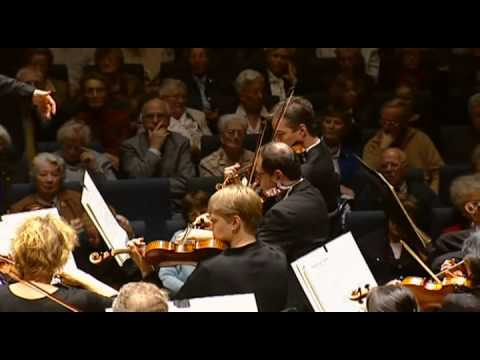
I’m currently active as a member of an orchestra, so classical music is full of irregular time signatures.
In the opening of Mussorgsky’s Pictures at an Exhibition, the horn melody alternates between 5/4 and 6/4 time.
If you count it out on your fingers, I think you’ll go, “Oh, I see.” I’m impressed that you can create such a familiar-sounding melody even in irregular meter.

Symphonic Poem “Night on Bald Mountain”Modest Mussorgsky

Based on a Russian folk tale, this piece depicts the earth spirit Chernobog appearing on Bald Mountain on the eve of St.
John’s Day, raising a ruckus with his minions—demons, ghosts, and spirits—only to vanish with the break of dawn.
Because it’s often used in eerie scenes on TV, listening to it in midsummer lets you savor the atmosphere of a summer ghost story.
Varlaam’s Song from the opera Boris GodunovModest Petrovich Mussorgsky
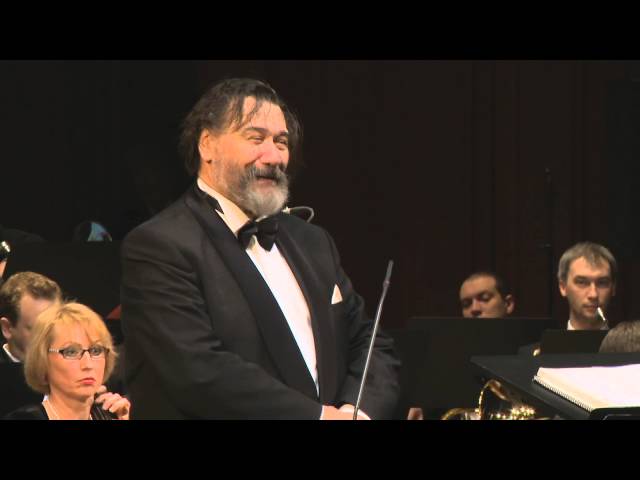
From the opera Boris Godunov: Varlaam’s Song.
In the opera, Act I, Scene 2: the inn near the Lithuanian border.
Performed by bass Vladimir Metlin, conducted by Arkady Leitasch, with the Belgorod Philharmonic Symphony Orchestra.
Mussorgsky’s masterpieces: Popular classical music (61–70)
From the opera Boris Godunov, Fountain SceneModest Petrovich Mussorgsky

From the opera Boris Godunov: the Fountain Scene.
In the opera, it is the duet set in the moonlit garden of Sandomierz Castle.
Performed by mezzo-soprano Elena Obraztsova and tenor Vladimir Atlantov, with the Bolshoi Theatre Orchestra.
Song Cycle “Songs and Dances of Death”Modest Petrovich Mussorgsky

Song cycle “Songs and Dances of Death”: No.
1 Lullaby, No.
2 Serenade, No.
3 Trepak, No.
4 The Field Marshal.
Performed by bass Gary Agazinyan with the Perm Opera and Ballet Theatre Orchestra, conducted by Valery Platonov.
From the suite ‘Pictures at an Exhibition’, Tuileries (The Garden)Modest Petrovich Mussorgsky

From the suite “Pictures at an Exhibition”: Tuileries – Dispute d’enfants après jeux (Children Quarreling After Play).
It is said that there was a palace in Paris’s Tuileries Garden until around the 19th century.
Performed by the Omsk Symphony Orchestra, conducted by Dmitry Vasiliev.