

[80’s] A Collection of Iconic Songs Representing the New Romantic Movement [New Wave]

The New Romantic movement, born in early-1980s Britain.
Its glamorous makeup and fashion, combined with synth-heavy sounds, became the driving force that opened up a new musical scene.
Born as a reaction to punk, this style was brief as a movement, but with its glamorous aesthetic it fused with dance music and influenced many musicians—Japan included.
In this article, we’ll introduce tracks ranging from songs that can be considered the roots of the New Romantic sound to its signature anthems.
If you’ve only recently come across the term “New Romantic,” be sure to check it out!
- Romantic masterpieces. Recommended popular songs.
- [BUCK-TICK Masterpieces] Popular Songs by the Legendary Band with an Overwhelming Presence
- Great Western rock classics and hit songs of the ’90s
- From Japan! Technopop masterpieces and recommended popular tracks
- [Intoxicating Vibes] A Beginner’s Guide to Classic Psychedelic Rock Songs (Western Music)
- Recommended masterpieces and popular songs of Western electro-pop and synth-pop
- A classic song by The Cro-Magnons. Recommended track.
- Club Hits: Dance music from Western artists that energized the dance floors in the 1980s
- [Definitive Edition] Masterpieces and Hit Songs of 80s Disco
- [1980s Western Music] Nostalgic 80's Best Hit Songs
- Nothing but classics! A nostalgic collection of ’80s Western ballads
- [1980s Nostalgia] What Is the World of Synthwave? — Recommended Popular Tracks
- Love songs in Western music that were hits in the 1980s. World-famous classics and popular tracks.
[80’s] A Collection of Iconic Songs Representing the New Romantic Movement [New Wave] (1–10)
ElectricityOrchestral Manoeuvres in the Dark
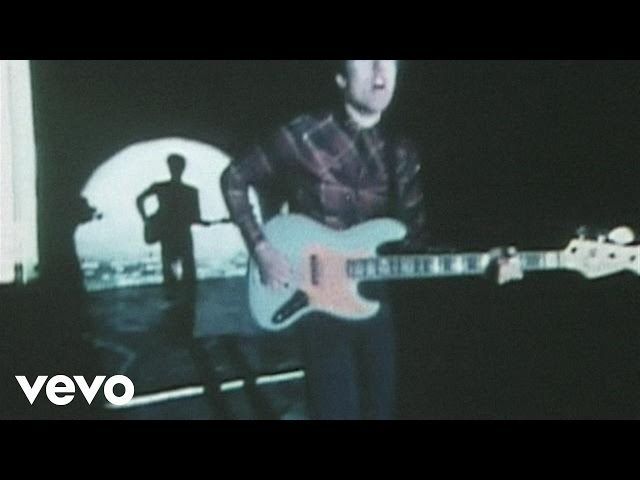
This is the landmark debut single by the pioneering British electronic band Orchestral Manoeuvres in the Dark.
Released by Factory Records in 1979, it had a tremendous impact on the scene that followed.
Its sound—experimental electronic tones inspired by Kraftwerk fused with the urgent energy of punk—could be called a true invention of its time.
Instead of vocals, a synthesizer carries the melody, leaving an oddly poignant, lingering impression despite its stark, mechanical feel.
Through the shimmer of “electricity,” that modern source of power, it seems to sing of infinite possibilities for the future and the invisible bonds that flow between people.
It remains both their point of origin and a beloved anthem that epitomizes the new wave.
SleepwalkUltravox

Released in 1980, this song marked a turning point in Ultravox’s career.
During the era when founder John Foxx was in the band, they had made a name for themselves as a leading force in innovative post-punk.
This was their first single with new vocalist Midge Ure, presenting the band’s new sound to the scene.
The sound created by the floating, ethereal synthesizers and dynamic rhythms draws listeners into an otherworldly realm.
As the title suggests, perhaps it depicts a protagonist wandering through a dream.
Set to a cold yet beautiful melody, you can almost see a solitary figure unconsciously walking through a futuristic cityscape.
Midge Ure’s quietly intimate vocals further enhance that stylish, distinctive world.
CarsGary Numan

It became a global hit and reached number one on the charts in the UK and Canada.
It has been covered by many artists and has also been used in films.
The song repeats a single rhythm, making it catchy, and since the lyrics are about the singer’s own car, that might be why it resonated with so many people.
[80’s] A Collection of Iconic Neo-Romantic Songs [New Wave] (11–20)
Warm LeatheretteThe Normal
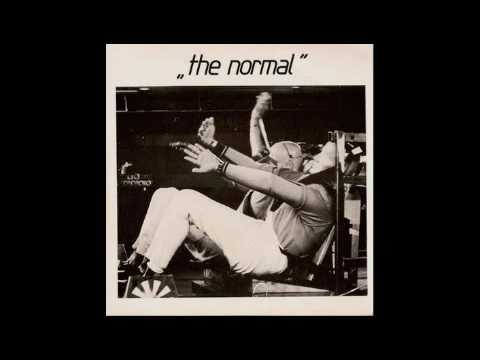
This is a track by The Normal, a project by the British musician Daniel Miller.
Known as a foundational point for the synth sound that would later connect to the New Romantic movement, it can be called an innovative piece produced in 1978 using only home equipment.
Based on J.G.
Ballard’s novel Crash, its lyrics capture the moment of a car accident, confronting the listener with vivid imagery.
The succession of concrete words—shattering steel, the feel of the steering wheel—and the stripped-down resonance of minimal synths cleared of emotion.
Many people at the time were surely struck by the inorganic, perverse beauty woven from these two elements.
It’s also well known through Grace Jones’s famous cover.
The Look Of LoveABC
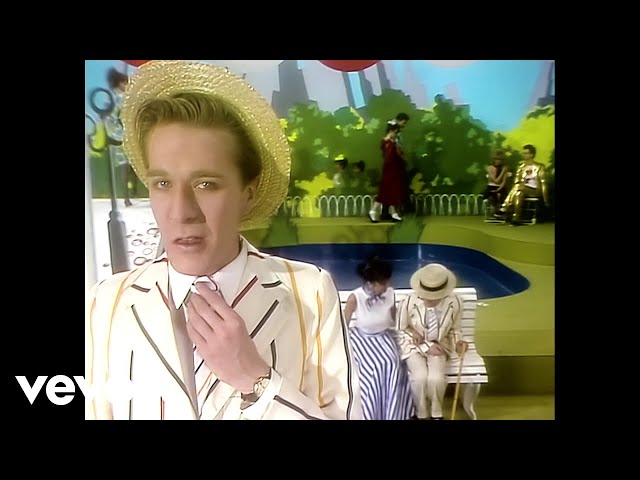
This track was included on their first album and became a sudden smash hit—the biggest hit among ABC’s songs.
It makes great use of the synthesizer’s characteristics and incorporates a variety of sounds.
The music video is really cute.
Do You Really Want To Hurt MeCulture Club

Have you ever felt your chest tighten at the uneasy tension between you and your lover? This 1982 track by the British band Culture Club seems to capture the pain of exactly such a moment.
Contrary to its breezy reggae rhythm, Boy George’s repeated plea—“Do you really want to hurt me?”—sounds as delicate and earnest as glasswork.
The line “You’re my lover, not my rival” distills the sad dynamic of two people who drift apart precisely because they love each other.
Beneath the glittering sound lies a taut emotion on the verge of tears—perhaps that’s what makes this a moving classic.
Too ShyKajagoogoo
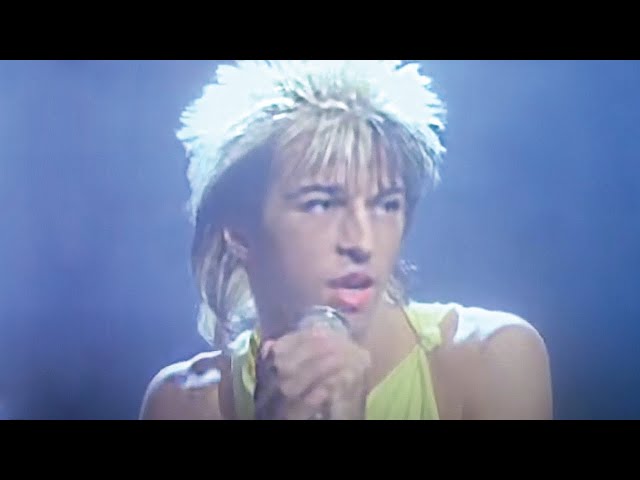
This song was Kajagoogoo’s debut single, and it became an explosive hit.
The slowly building intro is really nice.
The synthesizer sound and Limahl’s vocals feel like a perfect match.