

![[80s] A Collection of Iconic Songs Representing the New Romantic Movement [New Wave]](https://i.ytimg.com/vi_webp/JE2sCISQmpE/maxresdefault.webp)

The New Romantic movement, born in early-1980s Britain.
Its glamorous makeup and fashion, combined with synth-heavy sounds, became the driving force that opened up a new musical scene.
Born as a reaction to punk, this style was brief as a movement, but with its glamorous aesthetic it fused with dance music and influenced many musicians—Japan included.
In this article, we’ll introduce tracks ranging from songs that can be considered the roots of the New Romantic sound to its signature anthems.
If you’ve only recently come across the term “New Romantic,” be sure to check it out!
- Romantic masterpieces. Recommended popular songs.
- [BUCK-TICK Masterpieces] Popular Songs by the Legendary Band with an Overwhelming Presence
- Great Western rock classics and hit songs of the ’90s
- From Japan! Technopop masterpieces and recommended popular tracks
- [Intoxicating Vibes] A Beginner’s Guide to Classic Psychedelic Rock Songs (Western Music)
- Recommended masterpieces and popular songs of Western electro-pop and synth-pop
- A classic song by The Cro-Magnons. Recommended track.
- Club Hits: Dance music from Western artists that energized the dance floors in the 1980s
- [Definitive Edition] Masterpieces and Hit Songs of 80s Disco
- [1980s Western Music] Nostalgic 80's Best Hit Songs
- Nothing but classics! A nostalgic collection of ’80s Western ballads
- [1980s Nostalgia] What Is the World of Synthwave? — Recommended Popular Tracks
- Love songs in Western music that were hits in the 1980s. World-famous classics and popular tracks.
[80’s] A Collection of Iconic Songs Representing the New Romantic Movement [New Wave] (1–10)
To Cut A Long Story ShortSpandau Ballet

Released in 1980, this is the landmark debut single by the British band Spandau Ballet.
Its razor-sharp synth lines and tight, danceable beat seem to vividly announce the dawn of the New Romantic era.
As the title “To Cut a Long Story Short” suggests, it conveys the searing resolve of young people charging into the future, declaring that sentimental tales of the past are over.
The sound—mechanical yet simmering with heat—delivers a direct proclamation that they are new, beautiful, and above all, cool.
It’s a classic that feels like the club fever of the time vacuum-sealed, the kind of track that makes you stand up straighter when you hear it.
Fade To GreyVisage
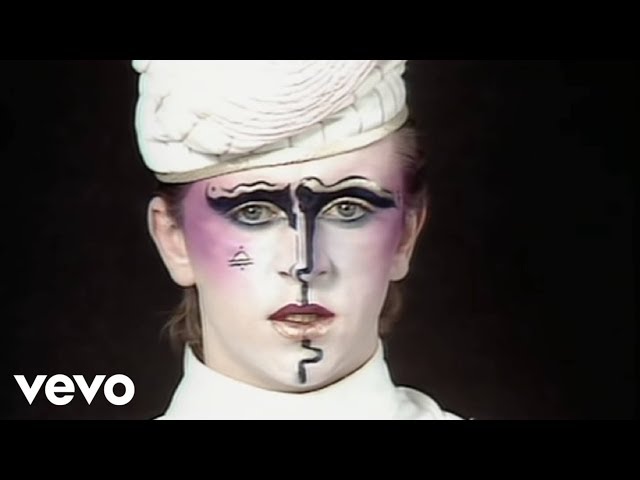
A quintessential song of the New Romantic movement by the British band Visage.
Its sterile synthesizer melodies and the melancholic vocals of frontman Steve Strange seize the listener’s heart and refuse to let go.
What makes this track truly one-of-a-kind is the mysterious French whisper layered over the English lyrics.
You’re drawn into a cold yet beautiful world, as if wandering alone across the fog-shrouded cobblestones of Europe.
As the title “Fade to Grey” suggests, the song evokes profound loneliness and nihilism.
Many listeners may feel their chest tighten at the sensation of life’s colors draining away.
Its decadent beauty continues to captivate many to this day.
Girls On FilmDuran Duran

A signature song that epitomizes the early career of Duran Duran, the leading lights of the British-born New Romantic movement.
From the camera motor sound that roars through the intro, you’re immediately drawn into their glamorous world.
The shimmering synths of Nick Rhodes and the vibrant, driving basslines of John Taylor weave a sound where disco’s heat and new wave’s cool fuse beautifully.
In the lyrics, the line “the girl on film looks better” strikingly—and somewhat sardonically—captures the illusion of beauty consumed by the dazzling fashion industry.
It’s a stylish track that embodied its era through both music and imagery, wouldn’t you say?
You Spin Me RoundDead Or Alive

If you lived through the disco era, this song might make you want to get up and dance.
Among Dead or Alive’s tracks, this was their biggest hit, reaching number one in the UK, though it only made it to number 11 in the US and didn’t seem to do as well there.
Dead or Alive’s style is exceptionally distinctive, isn’t it?
Back to NatureFad Gadget
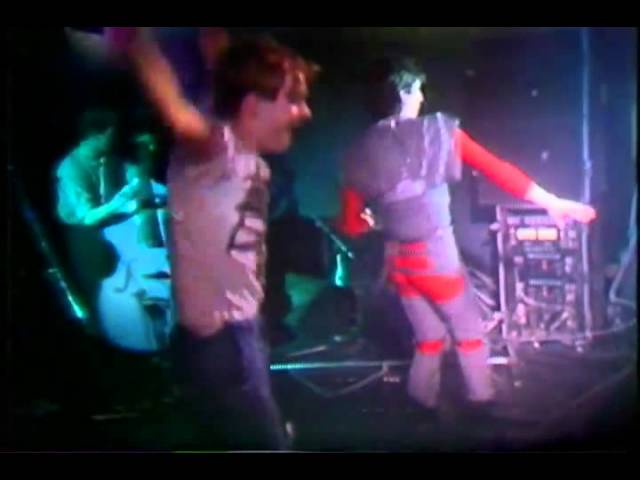
This is the debut track by Fad Gadget from the UK, who stood out in the early days of the Neuromantic movement.
Released as the very first artist on Mute Records, the song’s title—“Return to Nature”—is the exact opposite of what hits your ears: sterile, icy synths and a mechanical beat.
That biting irony may well be the core of his expression.
Struggling to escape a life surrounded by civilization, yet ultimately unable to flee from technology…the cool, seemingly emotionless vocal delivery drives home that contradiction of modern society.
Its experimental, cynical worldview, set apart from glittering pop sonics, leaves a deep impression.
Being BoiledThe Human League

This track by The Human League, a unit emblematic of the British New Wave of the ’80s, truly hinted at “the music of the future.” The ominous synthesizers and Philip Oakey’s detached vocals burn themselves into your mind after a single listen.
The lyrics sing, “Listen to the voice of Buddha and abandon silk” (or, “give up sericulture”), a provocative message that is startling even now.
You can feel the sharpness of that initial creative impulse as they groped for sounds no one had ever heard before.
This cold yet innovative sound may well have laid a solid foundation for the glamorous Neo-Romantic scene that followed.
Life in TokyoJapan

Japan, a band that can be seen as a bridge between glam rock and new wave, teamed up with disco master Giorgio Moroder for this track, marking a bold shift away from glam rock.
Some of you may remember it becoming a hit after several re-releases.
The glittering synth lines sound as if they paint Tokyo’s near-future neon in audio form.
David Sylvian’s cool, restrained vocals reflect a sense of loneliness hidden within the dazzling bustle, and a somewhat detached, observer-like gaze.
Meanwhile, Mick Karn’s sensually undulating bass over the mechanical beat breathes vivid human warmth into the track—an unforgettable touch.