

Niigata’s folk songs, children’s songs, and nursery rhymes: the heart of our hometown passed down in song

Niigata Prefecture is known for hosting traditional Bon dances and festivals, as well as for its large area of rice cultivation and high yields.
We’ve selected many folk songs and children’s songs related to Niigata, including pieces themed around Sado Island.
Folk songs, which are often performed at festivals, convey a lively, festive atmosphere through their rhythmic sounds.
It’s also recommended to explore the background behind songs like “Sado Okesa,” which are beloved across Japan.
Be sure to listen to the folk and children’s songs that showcase the charm of each region of Niigata.
- A classic song that celebrates Niigata. The enduring spirit of our hometown passed down through song.
- Ranking of Popular Folk Songs
- Folk Songs, Children's Songs, and Nursery Rhymes of Aomori: Japanese Songs from Tsugaru and Hachinohe that Resonate with the Heart
- Folk songs, children's songs, and nursery rhymes of Nagasaki: the heart of the hometown passed down through song
- Folk songs, children's songs, and nursery rhymes of Toyama: the enduring heart of our hometown passed down through song
- [Japanese Folk and Regional Songs] A Collection of Beloved Masterpieces from Across Japan, Brimming with Local Pride
- Japanese counting songs: nostalgic temari (handball) songs and children’s folk songs
- [Folk Songs of Yamagata] The Heart of Our Hometown Passed Down in Song: Feelings Woven into Nostalgic Melodies
- Collection of winter nursery rhymes, folk songs, and children's songs. Includes fun winter hand-play songs too.
- [Folk Songs and Children's Songs of Akita] A curated selection of local masterpieces that evoke love for one’s hometown
- Folksongs, children's songs, and nursery rhymes of Fukushima: the heart of our hometown passed down in song
- Beautiful Folk Songs Passed Down in Miyagi Prefecture: A Collection of Masterpieces that Play the Heart of the Hometown
- Tokushima’s Folk Songs, Children’s Songs, and Nursery Rhymes | Traditional Songs Rooted in the Region, Including Awa Odori
Niigata’s folk songs, children’s songs, and nursery rhymes: The enduring heart of our hometown (31–40)
Ogi Okesa
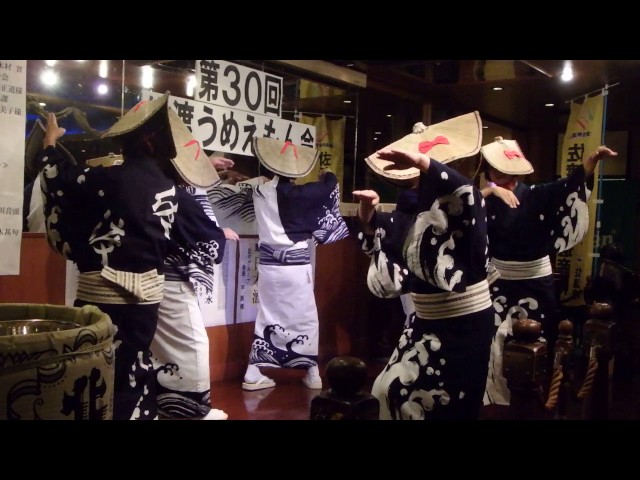
In “Ogi O-kesa,” the word “Ogi” is a place name on Sado Island, a location that prospered as a relay port for trade on the Sea of Japan.
From the port, the Kyushu song “Hanya-bushi” was brought in, transformed into “Ogi Hanya,” and further evolved into what remains today as “Ogi O-kesa.” The tempo is relatively brisk, and its simplicity makes it a charming song.
Plover on the BeachFORESTA

Hamachidori, published in 1919 (Taisho 8), is a school song with lyrics by Naruaki Kashima and music by Ryutaro Hirota.
When Mr.
Kashima visited his friend Taichi Kuwayama in Kashiwazaki, the two took a walk from Urahama to the Banjin Coast.
What Mr.
Kashima jotted down at that time became the song’s lyrics.
trainŌwada Aira

Kisha (The Train) is a children’s song composed by Aira Owada, a native of Murakami who was born into a former Murakami-domain samurai family.
The song delights in a train passing through various places and the rapidly changing scenes it encounters.
Owada studied at the Tokyo Music School (now Tokyo University of the Arts) and was also dedicated to music education.
In conclusion
We have introduced folk songs and children’s songs inspired by regions across Niigata, including Sado and Echigo. Listening to these traditionally beloved tunes can be a great way to spark interest in folk music and enka. It’s also recommended to enjoy them alongside Bon dances and festivals held in Niigata Prefecture. From songs that sing of hometown pride to pieces with hauntingly poignant melodies, take the time to learn Niigata’s folk and children’s songs, packed with a wide range of charms.